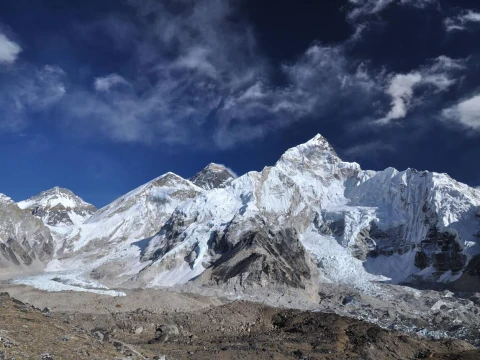
The Everest Base Camp (EBC) Trek is one of the most iconic trekking experiences in the world, offering trekkers breathtaking Himalayan scenery, vibrant Sherpa culture, and an unparalleled sense of adventure. Organized by Mount Horizon Treks & Tours, this 15-day itinerary takes you from the bustling city of Kathmandu to the heart of the Khumbu region. The trek begins with a scenic flight to Lukla, often described as one of the most thrilling airport experiences globally. From Lukla, trekkers journey through charming Sherpa villages, lush rhododendron forests, and dramatic landscapes, gradually ascending towards the majestic Everest Base Camp.The trek is not only about the destination but also about the journey. Highlights include Namche Bazaar, the cultural hub of the Khumbu region, the historic Tengboche Monastery, and panoramic views of iconic peaks like Ama Dablam, Lhotse, and, of course, Mount Everest itself. An acclimatization day in Namche Bazaar and Dingboche ensures that trekkers can adjust to the high altitude while exploring local culture. The trek concludes with the unforgettable experience of reaching Everest Base Camp, hiking to the viewpoint of Kala Patthar for a stunning sunrise over Everest, and descending back to Lukla before returning to Kathmandu.Starts and ends in Kathmandu with flights to LuklaPasses through Namche Bazaar, Tengboche, Dingboche, LobucheSummit view from Kala Patthar at 5,545 metersRich Sherpa culture and Buddhist monasteriesBest Season for Everest Base Camp TrekThe best time to undertake the Everest Base Camp Trek is during spring (March to May) and autumn (September to November). Spring brings vibrant rhododendron blooms and generally clear skies, making trekking paths scenic and colorful. Autumn is considered ideal due to stable weather conditions, excellent visibility of the Himalayan peaks, and comfortable temperatures for trekking.Winter months (December to February) are much colder and can have heavy snowfall, making trails slippery and flights to Lukla unpredictable. Summer (June to August) coincides with the monsoon season, where heavy rains and cloud cover can obscure views and increase the risk of landslides. Planning the trek with Mount Horizon Treks & Tours ensures optimal timing, local guidance, and well-organized logistics to maximize both safety and scenic experiences.Key Points:Spring: March to May, colorful rhododendrons, moderate temperatureAutumn: September to November, stable weather, clear mountain viewsWinter & monsoon seasons are less recommended due to extreme conditionsEverest Base Camp Trek Difficulty and TransportationThe trek is categorized as moderate to challenging due to high altitude, long walking days, and rugged terrain. Trekkers should be prepared for 5–7 hours of daily trekking at elevations ranging from 2,800 meters (Phakding) to 5,364 meters (Everest Base Camp). Acclimatization days in Namche Bazaar and Dingboche are critical for avoiding altitude sickness. While prior trekking experience is helpful, a reasonable level of fitness and determination is usually sufficient.Transportation primarily involves flights and trekking. The journey begins with a domestic flight from Kathmandu to Lukla, followed by trekking on foot through the Khumbu region. Porters or yaks can be hired to carry luggage, which is a common practice recommended by Mount Horizon Treks & Tours to reduce physical strain. The return journey also includes a flight back to Kathmandu for convenience and time efficiency.Key Points:Moderate to challenging trek due to high altitudeDaily trekking: 5–7 hours, altitude 2,800–5,364 metersDomestic flight to Lukla, trekking on foot, optional portersFood and Accommodation for Everest Base Camp TrekThroughout the trek, accommodation is primarily in tea houses or lodges, which offer a warm and welcoming environment for trekkers. These lodges vary from basic to more comfortable facilities, often including shared bathrooms and simple bedding. In major stops like Namche Bazaar, Tengboche, and Dingboche, slightly higher-end lodges are available with better amenities.Food options on the trek are diverse, ranging from traditional Nepali dishes like dal bhat (lentil soup with rice) to pasta, noodles, and soups. Tea houses also serve snacks, beverages, and hot drinks, which are essential for warmth at high altitudes. Mount Horizon Treks & Tours ensures that trekkers have access to safe, nutritious meals throughout the journey and that dietary preferences can be accommodated with prior notice.Key Points:Accommodation: tea houses and lodges, basic to moderate comfortFood: Nepali meals, soups, noodles, snacks, tea, coffeeAvailability of hot meals and warm beverages for high-altitude trekkingEverest Base Camp Trek PermitsTo undertake the EBC trek, certain permits are mandatory. The two main permits are:Sagarmatha National Park Permit (SNP): Required for trekking inside the national park.TIMS Card (Trekkers’ Information Management System): Required for all trekkers in the Khumbu region.These permits ensure the safety, regulation, and environmental protection of the trekking area. Mount Horizon Treks & Tours assists trekkers in obtaining all necessary permits before departure, eliminating bureaucratic stress and allowing trekkers to focus solely on their journey and acclimatization.Key Points:Sagarmatha National Park PermitTIMS Card for Khumbu trekkingAssistance with permits from Mount Horizon Treks & ToursWhy Choose Everest Base Camp Trek with Mount Horizon Treks & ToursChoosing Mount Horizon Treks & Tours ensures a well-organized, safe, and memorable trekking experience. With professional guides, experienced support staff, and a focus on cultural and environmental respect, trekkers can enjoy every aspect of the journey without logistical worries. The company provides meticulous planning, comfortable accommodations, quality meals, and expert advice for altitude adaptation.In addition, the personalized service from Mount Horizon Treks & Tours includes arranging flights, porters, trekking permits, and optional sightseeing. Their guides are highly knowledgeable about the Khumbu region, offering insights into Sherpa culture, Himalayan ecology, and historical landmarks along the trek. Choosing this company enhances both safety and enjoyment, making the Everest Base Camp trek not just a journey, but a transformative adventure.Key Points:Professional guides and support staffFull logistics support: flights, permits, portersCultural insights and local experiencesFocus on safety, comfort, and personalized service
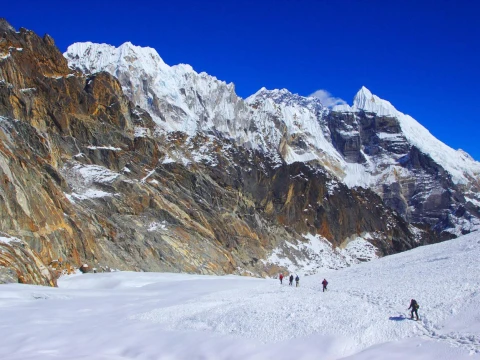
The Everest Three Pass Trek is considered one of the most adventurous and complete trekking experiences in the Everest region of Nepal. This trek circles the upper Khumbu region and crosses three high mountain passes: Kongma La Pass, Cho La Pass, and Renjo La Pass. The journey also includes famous destinations such as Everest Base Camp, Kala Patthar, and the beautiful Gokyo Lakes.The trek usually begins with a scenic mountain flight from Kathmandu to Lukla, the gateway to the Everest region. Trekkers gradually ascend through traditional Sherpa villages such as Namche Bazaar, Tengboche, and Dingboche while enjoying spectacular views of the Himalayan giants, including Mount Everest, Lhotse, Ama Dablam, and Cho Oyu.This trek is perfect for adventurous trekkers who want more than the standard Everest Base Camp route. It provides a remote trekking experience, incredible mountain scenery, and deep cultural insights into the Sherpa community.Cross three famous Himalayan passes above 5,000 metersVisit Everest Base Camp and Kala Patthar viewpointExplore the turquoise Gokyo Lakes and climb Gokyo RiExperience Sherpa culture and monasteriesSpectacular views of Everest and surrounding peaksBest Season for Everest Three Pass TrekThe best seasons for the Everest Three Pass Trek are spring (March–May) and autumn (September–November). During these months, the weather is generally stable, the skies are clear, and trekkers can enjoy panoramic views of the Himalayan mountains.Spring is particularly beautiful because the trails are filled with blooming rhododendron forests and colorful alpine vegetation. The temperatures are moderate, making it comfortable for trekking at high altitudes. In addition, many mountaineering expeditions head toward Everest during this season, creating an exciting atmosphere around the base camp area.Autumn is another excellent season due to its crystal-clear mountain views and dry weather. After the monsoon rains, the air becomes fresh, and visibility is outstanding. The trekking routes are also lively with trekkers from around the world.Best Trekking SeasonsSpring: March to MayAutumn: September to NovemberWinter: possible but colder and snowierMonsoon: less recommended due to rain and cloudsEverest Three Pass Trek Difficulty and TransportationThe Everest Three Pass Trek is considered a challenging trek because it involves long trekking days, high-altitude passes above 5,000 meters, and rugged mountain trails. Trekkers must be physically fit and prepared for steep ascents, rocky terrain, and changing weather conditions.Altitude is the main challenge during this trek. The itinerary includes several acclimatization days in places like Namche Bazaar and Dingboche to help trekkers adapt to the thinner air. Proper pacing, hydration, and rest are essential to complete the trek safely.Transportation for the trek begins with a thrilling mountain flight from Kathmandu to Lukla. From Lukla, the journey continues on foot through remote Himalayan valleys and villages.Difficulty FactorsHigh altitude (up to 5,550 meters)Long trekking days (6–8 hours)Three high mountain passesRemote trails and rugged terrainTransportationFlight: Kathmandu to LuklaTrekking route through the Khumbu regionReturn flight from Lukla to KathmanduFood and Accommodation for Everest Three Pass TrekDuring the Everest Three Pass Trek, trekkers stay in teahouses or mountain lodges operated by local families. These lodges provide basic but comfortable accommodation with twin-sharing rooms and communal dining areas where trekkers gather to eat and relax.Meals are freshly prepared and offer a mix of Nepali, Tibetan, and international dishes. The most popular meal among trekkers is Dal Bhat, a traditional Nepali dish consisting of rice, lentil soup, vegetables, and pickles. Other food options include noodles, pasta, soups, potatoes, eggs, and pancakes.As trekkers ascend higher into the mountains, the menu becomes simpler, and prices increase because all supplies are transported by porters or yaks.Typical Food OptionsDal Bhat (rice and lentils)Tibetan bread and pancakesNoodles and fried riceVegetable soups and pastaTea, coffee, and hot chocolateAccommodation FeaturesSimple teahouse roomsShared bathrooms in many placesWarm dining hall with a stoveBasic but comfortable facilitiesEverest Three Pass Trek PermitsTrekkers must obtain the necessary permits before entering the Everest region. These permits help support conservation efforts and maintain the trekking infrastructure in the Khumbu region.The two main permits required are the Sagarmatha National Park Permit and the Khumbu Pasang Lhamu Rural Municipality Permit. These permits can be arranged through trekking agencies such as Mount Horizon Treks & Tours in Kathmandu.The Sagarmatha National Park is a UNESCO World Heritage Site and protects the unique ecosystem of the Everest region. The permit system helps manage tourism while preserving the natural and cultural heritage of the Himalayas.Required PermitsSagarmatha National Park Entry PermitKhumbu Pasang Lhamu Rural Municipality PermitPassport copy and photos requiredWhy Choose Everest Three Pass TrekThe Everest Three Pass Trek is the ultimate adventure for trekkers who want to experience the most spectacular landscapes in the Everest region. Unlike the classic Everest Base Camp trek, this route explores remote valleys and crosses dramatic high passes, offering breathtaking views at every stage.Trekkers also experience authentic Sherpa culture, ancient monasteries, and traditional mountain villages along the way. Visiting places like the Tengboche Monastery provides spiritual insight into the Himalayan Buddhist culture.Choosing a professional trekking company like Mount Horizon Treks & Tours ensures a safe and well-organized trekking experience. Their experienced guides, carefully designed itineraries, and strong knowledge of the Everest region help trekkers enjoy the adventure with confidence.Reasons to Choose This TrekThe most adventurous trek in the Everest regionThree high Himalayan passesEverest Base Camp and Gokyo Lakes in one journeyIncredible panoramic mountain viewsRich Sherpa culture and Himalayan heritage
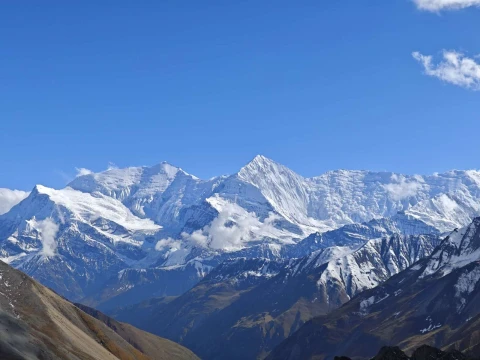
The Annapurna Circuit Trek is one of the most iconic trekking routes in Nepal, offering an unparalleled combination of cultural immersion, diverse landscapes, and breathtaking Himalayan views. Starting from the lush, subtropical valleys of the Marsyangdi River, trekkers gradually ascend to alpine terrain, high mountain passes, and remote villages inhabited by Gurung, Thakali, and Manangi communities. One of the highlights of this trek is crossing the Thorong La Pass (5,416m/17,769 ft), which is the highest point of the circuit and provides panoramic views of the Annapurna and Dhaulagiri ranges.The trek spans approximately 16–17 days and includes a mix of driving, trekking, and rest days, allowing trekkers to acclimatize properly and enjoy the natural beauty along the route. From the cultural richness of Kathmandu to the serene lakeside city of Pokhara, the circuit offers a journey through Nepal’s heartland, combining adventure with spiritual and cultural experiences.Crossing Thorong La Pass (5,416m/17,769 ft)Scenic views of Annapurna, Dhaulagiri, and MachapuchareCultural experiences in traditional Nepali villagesDiverse ecosystems: subtropical forests to high alpine landscapesBest Season for Annapurna Circuit TrekThe best time to trek the Annapurna Circuit is during the pre-monsoon (March to May) and post-monsoon (late September to November) seasons. During these months, the weather is relatively stable, the skies are clear, and mountain visibility is at its peak. Spring also brings vibrant rhododendron blooms along the trail, while autumn offers crisp air and perfect trekking conditions.Things to consider:Winter (December–February): Cold temperatures, especially at high passes; risk of snowMonsoon (June–August): Rainfall can make trails slippery and increase the risk of landslidesSpring/Autumn: Ideal for photography, trekking comfort, and overall experienceTip: Trekkers should plan acclimatization days carefully to reduce the risk of altitude sickness during these peak seasons.Annapurna Circuit Trek Difficulty and TransportationThe Annapurna Circuit is considered moderate to strenuous, depending on the trekker’s experience and fitness level. Daily trekking hours range from 3–10 hours, with steep ascents, high passes, and varied terrain. Trekkers should be prepared for long uphill and downhill sections, river crossings, and occasional rocky or uneven trails.Transportation is mainly by private vehicles for the initial and final segments:Drive from Kathmandu to Syange/Jagat: 8–10 hoursDrive from Muktinath to Tatopani: 6–8 hoursDrive from Pokhara to Kathmandu: 6 hoursImportant considerations:Proper trekking shoes and gear are essentialGradual acclimatization is critical for high-altitude trekkingPhysical fitness and prior trekking experience improve safety and enjoymentFood and Accommodation for Annapurna Circuit TrekThe Annapurna Circuit offers a wide variety of tea houses and lodges, ranging from basic to moderate comfort. Accommodation typically includes shared rooms with basic bedding. Some higher-end lodges in popular villages like Manang and Ghorepani provide private rooms, hot showers, and even Wi-Fi.Food along the route consists of traditional Nepali dishes such as:Dal Bhat (rice and lentils)Momos (dumplings)Thukpa (noodle soup)Continental options in popular trekking hubsTips for trekkers:Carry snacks and energy bars for long trekking daysHydration is critical at high altitudesPrices increase at higher elevations, especially beyond ManangAnnapurna Circuit Trek PermitsTrekking the Annapurna Circuit requires two primary permits:Annapurna Conservation Area Permit (ACAP) – mandatory for entry into the Annapurna regionTrekkers’ Information Management System (TIMS) Card – ensures trekkers are registered and safeThese permits help preserve the natural environment, support local communities, and ensure the safety of visitors. Mount Horizon Treks & Tours assists trekkers in obtaining these permits efficiently, avoiding any hassle during the journey.Why Choose Annapurna Circuit TrekThe Annapurna Circuit Trek is not just a journey through mountains; it’s an experience that combines adventure, culture, and natural beauty. Choosing this trek with Mount Horizon Treks & Tours guarantees:Expert guides familiar with local culture and high-altitude trekkingWell-organized logistics, including accommodation, transportation, and mealsPersonalized itineraries catering to different fitness levelsSafety-focused support, especially during high-altitude daysThe trek provides a rare opportunity to witness the diversity of Nepal’s geography, meet warm and welcoming local communities, and challenge yourself physically while enjoying unmatched Himalayan scenery. With the right preparation and guidance, the Annapurna Circuit is an adventure of a lifetime.
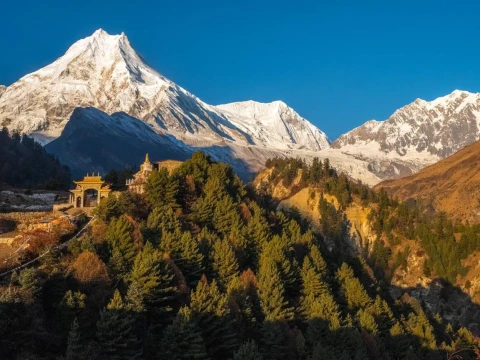
The Manaslu Circuit Trek is one of Nepal’s most spectacular trekking routes, encircling the majestic Manaslu, the eighth-highest mountain in the world. Starting near the tranquil town of Kathmandu, the trek takes adventurers through lush subtropical forests, terraced farmlands, and remote Gurung and Tibetan villages. The trail is designed to provide an authentic Himalayan experience, combining cultural immersion with breathtaking natural landscapes. Trekkers can witness the transition from lowland forests to high alpine terrain, culminating in the crossing of the challenging Larkya La Pass at 5,106 meters.The journey typically spans around 14–16 days and is designed to gradually acclimatize trekkers to high altitude. Highlights include visiting villages such as Philim, Namrung, and Samdo, exploring Buddhist monasteries, and observing traditional lifestyles untouched by mass tourism. Mount Horizon Treks & Tours ensures a well-planned itinerary, including acclimatization days at Sama-Gaon and cultural excursions, providing safety and comfort along this remote route.Encircles Mount Manaslu (8,163 m)Crosses Larkya La Pass (5,106 m)A mix of cultural villages and natural sceneryDuration: 16 days, including arrival and departureBest Season for Manaslu Circuit TrekThe Manaslu Circuit is accessible mainly during the spring (March–May) and autumn (September–November) seasons. Spring offers blossoming rhododendrons, moderate weather, and clear views of the Himalayas, while autumn provides stable skies, minimal rainfall, and stunning post-monsoon vistas. Winter treks are possible but challenging due to heavy snow and colder temperatures, particularly near high passes like Larkya La. Monsoon season (June–August) is generally avoided because of landslides, leeches, and slippery trails.Spring and autumn also ensure that trekkers experience local festivals and rituals in villages along the route. Mount Horizon Treks & Tours carefully schedules treks in these optimal seasons to maximize safety and enjoyment. Proper preparation is advised, including layered clothing for temperature variations and sun protection for high-altitude exposure.Key Points:Spring (March–May) for flowers and moderate weatherAutumn (September–November) for clear skies and stable trailsWinter is possible, but harsh and snowyMonsoon (June–August) is not recommendedManaslu Circuit Trek Difficulty and TransportationThe trek is considered moderate to strenuous, primarily due to its long trekking days, remote terrain, and high-altitude exposure. The crossing of Larkya La Pass is the most challenging section, requiring proper acclimatization, stamina, and trekking experience. Mount Horizon Treks & Tours provides professional guides and support staff to ensure safety, pace, and altitude management throughout the trek.Transportation to and from the trailhead is typically by private jeep or bus. Trekkers drive from Kathmandu to Machha Khola, the starting point of the trek, which takes about 8–10 hours along scenic and hilly roads. The return journey follows a similar route via Besisahar, ending back in Kathmandu for final departures.Key Points:Trek difficulty: Moderate to StrenuousMaximum altitude: 5,106 m (Larkya La Pass)Transport: Private jeep or bus from KathmanduDaily trekking: 5–8 hours averageFood and Accommodation for Manaslu Circuit TrekAlong the Manaslu Circuit, food is primarily served in tea houses and lodges, which offer Nepali, Tibetan, and continental meals. Common dishes include dal bhat (rice with lentils), momo (dumplings), noodles, soups, and fresh local vegetables. Trekking at high altitudes may limit food variety, but Mount Horizon Treks & Tours ensures access to nutritious meals to maintain energy levels.Accommodation ranges from basic lodges with shared bathrooms at lower elevations to simple guesthouses in remote villages like Samdo and Dharmasala. Trekkers should expect shared rooms, limited hot water, and rustic amenities, especially near high passes. Guides help arrange lodging in safe, hygienic locations while balancing comfort with the authentic Himalayan experience.Key Points:Tea houses and lodges along the trailTypical meals: dal bhat, momo, soups, noodlesAccommodation: Basic, shared rooms, rustic high-altitude lodgesHot water may be limited in high-altitude areasManaslu Circuit Trek PermitsTrekking the Manaslu Circuit requires multiple permits due to its status as a restricted area. The main permits include:Manaslu Restricted Area Permit (RAP): Required for entry into the regionAnnapurna Conservation Area Permit (ACAP): Sometimes required for sections overlapping with the Annapurna Conservation ZoneTIMS Card (Trekkers’ Information Management System): Ensures safety and monitoring of trekkersMount Horizon Treks & Tours assists in obtaining all necessary permits before departure, providing a seamless and legal trekking experience. Trekking without proper permits is strictly prohibited, as the area is closely monitored by local authorities and police checkpoints.Key Points:Required: Manaslu RAP, ACAP, TIMS cardPermits managed by the trekking companyChecked at police checkpoints along the trailWhy Choose Manaslu Circuit TrekThe Manaslu Circuit Trek is ideal for trekkers seeking off-the-beaten-path adventure in Nepal. Compared to the more crowded Annapurna and Everest regions, Manaslu offers solitude, untouched landscapes, and authentic cultural experiences. Villages like Samdo and Namrung showcase Tibetan Buddhist traditions, prayer flags, and mani walls, providing a spiritual and immersive trekking journey.Choosing Mount Horizon Treks & Tours ensures professional planning, experienced guides, safety measures, and logistical support throughout the trek. From arranging permits to food, accommodation, and emergency assistance, the company prioritizes comfort and a seamless experience, letting trekkers focus on the breathtaking Himalayan scenery and cultural richness of the Manaslu region.Key Points:Off-the-beaten-path adventureRich cultural and spiritual experiencesProfessional trekking support by Mount Horizon Treks & ToursSafe, organized, and immersive Himalayan journey
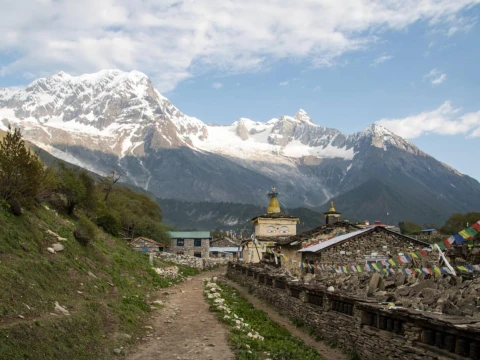
The Manaslu Tsum Valley Trek is one of Nepal’s most pristine and culturally rich trekking routes. Nestled in the northern part of the Gorkha region, the trek offers breathtaking Himalayan vistas, remote villages, ancient monasteries, and sacred landscapes untouched by mass tourism. The valley is considered sacred by Tibetan Buddhists, and trekkers can witness a unique blend of spiritual and traditional lifestyles. On this trek, adventurers get the chance to explore high-altitude passes, scenic rivers, dense forests, and the spectacular view of Mount Manaslu (8163m), the eighth-highest peak in the world.The journey begins in Kathmandu, followed by a drive to Machha Khola and a multi-day trek through villages such as Jagat, Lokpa, Chumling, and Samagaon. Along the way, trekkers experience the spiritual aura of Rachen Gompa, the charm of traditional settlements like Lho, and the beauty of Birendra Lake and Pungen Monastery. The trek reaches its pinnacle at Larkya La Pass (5160m) before descending through Bimthang and Dharapani back to Kathmandu. With Mount Horizon Treks & Tours, trekkers receive expert guidance, comfortable accommodations, and insights into the local culture, making it a comprehensive Himalayan adventure.Remote villages and Buddhist monasteriesCrossing Larkya La Pass at 5160mStunning views of Manaslu and the surrounding peaksCultural immersion in Tsum Valley villagesScenic rivers, forests, and high-altitude landscapesBest Season for Manaslu Tsum Valley TrekThe ideal time to embark on the Manaslu Tsum Valley Trek is during the pre-monsoon (March–May) and post-monsoon (September–November) seasons. During spring, rhododendrons bloom across the hillsides, creating vibrant landscapes, and the weather is generally stable with clear skies. Autumn offers crisp air, excellent visibility of the Himalayan peaks, and moderate temperatures for trekking.Winter (December–February) can be challenging due to heavy snowfall, icy trails, and colder nights, while the monsoon season (June–August) brings landslides, slippery paths, and reduced visibility. Trekkers using Mount Horizon Treks & Tours are provided with detailed seasonal guidance, ensuring they choose the most suitable window for safety, scenic beauty, and cultural experiences.Seasonal Considerations:Spring (Mar–May): Blooming rhododendrons, moderate temperaturesAutumn (Sep–Nov): Clear skies, great peak views, dry trailsWinter (Dec–Feb): Snowy, high-altitude trekking challengesMonsoon (Jun–Aug): Slippery trails, risk of landslidesManaslu Tsum Valley Trek Difficulty and TransportationThe trek is considered moderate to strenuous, making it suitable for experienced trekkers or fit beginners with proper preparation. Elevation gain, long trekking days, and crossing Larkya La Pass (5160m) require stamina and acclimatisation. Altitude sickness can be a concern, so proper pacing and acclimatisation days, such as at Samagaon, are essential.Transportation begins with a short domestic flight or road journey from Kathmandu to Arughat or Machha Khola, followed by trekking through remote paths. The roads are bumpy but scenic, offering glimpses of rivers, terraced fields, and hillside villages. Mount Horizon Treks & Tours ensures organised transport with comfortable vehicles, experienced drivers, and timely transfers to start the trek smoothly.Difficulty & Transportation Points:Moderate to strenuous trekking with high-altitude challengesLong daily walks (4–8 hours per day)Bumpy roads from Kathmandu to Machha Khola or ArughatAltitude acclimatisation days at SamagaonProfessional guides and porters provided by Mount Horizon Treks & ToursFood and Accommodation for Manaslu Tsum Valley TrekFood along the Manaslu Tsum Valley Trek is a mix of local Tibetan, Nepali, and simple Western cuisine. In villages like Jagat, Chumling, and Samdo, trekkers can enjoy dal bhat, momo, noodles, soups, and occasional fresh vegetables. Tea houses provide cozy spaces to relax, and some higher-altitude lodges may have limited menu options.Accommodation ranges from basic tea houses to modest lodges with clean beds, shared bathrooms, and warm meals. In remote sections like Rachen Gompa or Mu Gompa, facilities are simpler, but trekkers are well-supported with blankets, sleeping bags, and meals arranged by the trekking company. Mount Horizon Treks & Tours ensures that trekkers receive safe, hygienic lodging and dietary support throughout the trek.Food & Accommodation Highlights:Traditional Nepali and Tibetan dishes (dal bhat, momo, thukpa)Tea houses and lodges in all major villagesClean beds, shared bathrooms, blankets, and hot mealsSupport for dietary preferences and high-altitude nutritionManaslu Tsum Valley Trek PermitsTrekking in the Manaslu region requires specific permits to protect the environment and regulate tourism. Key permits include:Manaslu Restricted Area Permit (RARA): Required to enter the restricted Manaslu region.Annapurna Conservation Area Permit (ACAP): Covers trekking in some connected regions if the route overlaps.TIMS (Trekkers’ Information Management System) Card: Ensures safety and tracking of trekkers.All permits must be obtained before starting the trek. Mount Horizon Treks & Tours handles all permit arrangements, ensuring that trekkers have proper documentation, local fees are paid, and authorities are notified, avoiding delays or restrictions during the journey.Permit Key Points:Manaslu Restricted Area Permit is mandatoryTIMS card is required for all trekkersLocal fees for conservation and community developmentPermit processing and guidance handled by Mount Horizon Treks & ToursWhy Choose Manaslu Tsum Valley TrekThe Manaslu Tsum Valley Trek is a perfect blend of adventure, culture, and natural beauty. It is ideal for those seeking less crowded trails, immersive experiences in Himalayan Buddhist culture, and challenging high-altitude trekking. The trek allows exploration of sacred sites, remote villages, and spectacular landscapes, offering both spiritual and physical rewards.Choosing Mount Horizon Treks & Tours provides peace of mind, professional guidance, and tailored services. The company’s experienced guides, well-trained porters, carefully planned itinerary, and support in permits, accommodation, and meals ensure a safe and memorable journey. Whether it’s crossing Larkya La Pass, exploring Samagaon, or discovering the hidden Tsum Valley, this trek promises adventure, culture, and stunning Himalayan panoramas.Reasons to Choose This Trek:Less crowded, authentic Himalayan experienceCultural immersion in Tsum Valley villages and monasteriesExpert guidance and full logistical supportHigh-altitude adventure with scenic vistas of ManasluTailored itineraries and professional trekking services
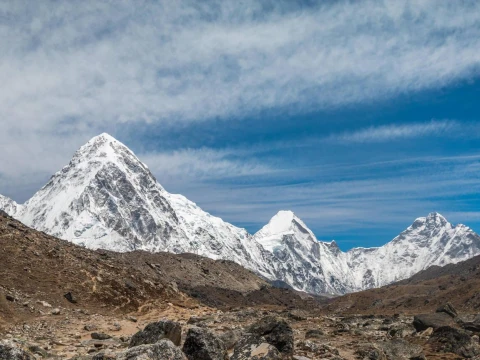
The Everest Base Camp (EBC) Trek via Gokyo Lake is one of the most spectacular trekking routes in the world, combining the iconic Everest Base Camp experience with the serene beauty of the Gokyo Lakes. Unlike the traditional Everest Base Camp route, this trek allows adventurers to explore the tranquil turquoise lakes of Gokyo Valley. It offers breathtaking panoramic views of some of the highest peaks, including Mount Everest, Cho Oyu, and Makalu. The route includes challenging passes, glacier crossings, and high-altitude landscapes, making it ideal for trekkers who want both adventure and scenic variety.Starting from Kathmandu, trekkers fly to Lukla, the gateway to the Everest region. From there, the trail passes through Sherpa villages like Phakding, Namche Bazaar, and Machhermo before reaching the stunning Gokyo Lakes. The trek also includes an optional hike to Gokyo Ri, providing one of the best vantage points in the region. The journey continues over Cho La Pass, reconnecting trekkers with the traditional EBC trail and eventually leading to Everest Base Camp and Kala Patthar for a close-up view of the world’s tallest mountain. With the expertise of Mount Horizon Treks & Tours, trekkers enjoy seamless logistics, knowledgeable guides, and local cultural insights throughout this unforgettable journey.Combines the Gokyo Valley and the Everest Base Camp trailsSpectacular Himalayan views, including Everest, Cho Oyu, and MakaluOptional Gokyo Ri hike for panoramic photographyHigh-altitude trekking adventure with Sherpa village experiencesBest Season for Everest Base Camp Trek via Gokyo LakeThe best seasons for trekking to Everest Base Camp via Gokyo Lake are spring (March to May) and autumn (September to November). During these periods, the weather is relatively stable, skies are clear, and the chances of encountering snowfall or rain are minimal. Spring brings blooming rhododendrons and lush greenery, while autumn offers crisp air and spectacular views of snow-capped peaks.Winter (December to February) is cold with heavy snow, making trekking difficult and some passes dangerous. Monsoon (June to August) is less ideal due to landslides, heavy rainfall, and cloud cover obstructing mountain views. Mount Horizon Treks & Tours provides detailed weather updates and recommends departure dates to maximize safety and scenic experiences. Choosing the right season ensures a comfortable, breathtaking, and safe trekking experience while avoiding overcrowded trails.Short Point List:Best seasons: Spring (March–May) & Autumn (Sept–Nov)Spring: Blooming rhododendrons, green valleysAutumn: Clear skies, perfect visibility for mountain photographyAvoid Monsoon & Winter due to safety and trail conditionsEverest Base Camp Trek via Gokyo Lake: Difficulty and TransportationThe trek is moderately to highly challenging, covering altitudes from 2,600m (Lukla) to over 5,300m (Gokyo Ri). Trekkers should have good physical fitness and prior hiking experience for long days of walking, steep ascents, and descending uneven terrain. The trek includes high-altitude acclimatization days to prevent acute mountain sickness (AMS), making safety a top priority.Transportation begins with an airport pickup in Kathmandu, followed by a short flight to Lukla, considered one of the most thrilling mountain airstrips in the world. From Lukla, the journey continues on foot, with teahouse lodges and local villages providing rest stops. On some days, trekkers will cross suspension bridges, glaciers, and rugged trails. Mount Horizon Treks & Tours ensures all transportation logistics are well-organized, including flights, airport transfers, and emergency contingency plans.Short Point List:Altitude: 2,600m – 5,300mModerate to great difficulty; requires good fitnessShort flights: Kathmandu → LuklaDaily trekking: 5–8 hours on rugged trails, suspension bridges, glacier pathsFood and Accommodation for Everest Base Camp Trek via Gokyo LakeDuring the trek, accommodation is primarily in teahouses, offering basic but comfortable lodging in villages and valleys. Facilities may vary; some teahouses have shared bathrooms, hot showers (for an extra fee), and cozy common areas for meals and relaxation. Mount Horizon Treks & Tours recommends staying in well-managed teahouses to ensure hygiene and comfort.Food is a mix of Nepali, Tibetan, and Western cuisine. Popular meals include dal bhat (rice and lentils), momo (dumplings), noodles, and soups. Trekkers should stay hydrated, drink boiled or bottled water, and consume high-energy foods to maintain stamina. Mount Horizon Treks & Tours provides guidance on healthy eating during high-altitude trekking, ensuring energy levels remain consistent throughout the journey.Short Point List:Accommodation: Teahouses along the trekking routeBasic facilities: Shared bathrooms, optional hot showersCuisine: Nepali, Tibetan, and Western mealsHydration and high-energy foods are essentialEverest Base Camp Trek via Gokyo Lake PermitsTrekkers require multiple permits for this journey: Sagarmatha National Park Permit, TIMS (Trekkers’ Information Management System) Card, and local entry permits for certain areas like Gokyo. These permits help conserve the environment and ensure safety in the high Himalayas.Mount Horizon Treks & Tours handles all permit arrangements in advance, so trekkers can focus on enjoying the trek without bureaucratic stress. Carrying permits at all times is mandatory, and guides assist in inspections at checkpoints along the route. This careful permit management ensures compliance with Nepalese regulations while preserving the natural beauty of the Everest region.Short Point List:Sagarmatha National Park Permit requiredTIMS Card mandatoryLocal permits for the Gokyo areaMount Horizon Treks & Tours assists with all documentationWhy Choose Everest Base Camp Trek via Gokyo LakeChoosing Mount Horizon Treks & Tours for the EBC via Gokyo Lake trek ensures a safe, immersive, and memorable adventure. The company provides expert Sherpa guides, well-planned itineraries, and support staff to handle logistics, meals, and accommodations. The trek combines classic Everest Base Camp highlights with the serene Gokyo Valley, offering unique photography opportunities and cultural experiences with Sherpa communities.The EBC via Gokyo Lake trek is ideal for adventure enthusiasts seeking high-altitude trekking with stunning views, glacier crossings, and the challenge of passes like Cho La. With Mount Horizon Treks & Tours, trekkers receive professional guidance, pre-trek briefings, and emergency support, ensuring the journey is both exhilarating and safe. Their focus on responsible tourism also contributes to the local economy and the preservation of the Himalayan environment.Short Point List:Experienced Sherpa guides and professional support staffCombines Gokyo Valley and Everest Base Camp highlightsUnique photography opportunities and cultural immersionEmphasis on safety, comfort, and responsible tourism
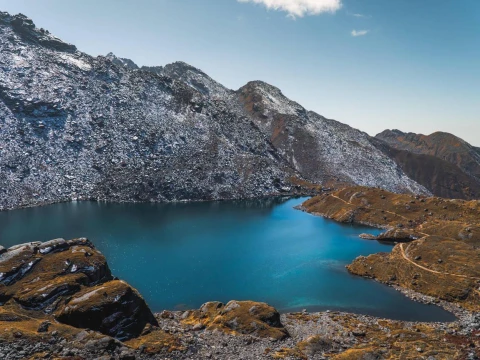
The Langtang, Gosaikunda & Helambu Trek is a spectacular journey through the northern Himalayan regions of Nepal, combining breathtaking landscapes, rich culture, and serene alpine lakes. This trek is ideal for travelers who want to explore less crowded trails yet witness classic Himalayan scenery. Beginning with a scenic drive from Kathmandu to Syabrubesi, trekkers pass through lush forests of pine, rhododendron, and oak, charming Tamang villages, and stunning mountain views, including Langtang Lirung.A highlight of this trek is the sacred Gosaikunda Lake, located at an altitude of 4,380m (14,370ft). Gosaikunda is revered in Hindu and Buddhist traditions, offering a spiritual and visually rewarding experience. After visiting Gosaikunda, the trail descends through pristine valleys and high passes like Laurebina Pass (4,700m/15,419ft), offering panoramic views of snow-capped peaks. The trek also includes the Helambu region, known for its warm Tamang hospitality, traditional villages, terraced fields, and rich culture. Completing this trek provides an unforgettable mix of adventure, spirituality, and natural beauty.Duration: 17 daysHighest point: Laurebina Pass (4,700m)Trek type: Moderate to challengingRegions: Langtang, Gosaikunda, HelambuBest Season for Langtang Gosaikunda and Helambu TrekThe best times to embark on this trek are during the spring (March to May) and autumn (September to November) seasons. In spring, rhododendron forests bloom spectacularly, adding vibrant colors to the landscape. The weather is stable, making trekking comfortable, with clear mountain vistas. Autumn offers crisp, clear skies after the monsoon, providing ideal conditions for photography and breathtaking views of the Himalayan peaks.Winter trekking is possible but challenging, with heavy snowfall at higher altitudes, especially near Gosaikunda and Laurebina Pass. The monsoon season (June to August) is generally avoided due to slippery trails, leeches, and clouded mountain views. Trekking during the optimal seasons ensures safety, better accommodation options, and an enjoyable cultural experience in the villages.Short Points:Spring: March–May (rhododendron blooms)Autumn: September–November (clear skies)Avoid: Monsoon (June–August)Winter: December–February (for experienced trekkers only)Langtang Gosaikunda and Helambu Trek Difficulty and TransportationThe trek is moderate to strenuous, requiring good physical fitness. Daily trekking ranges from 3 to 8 hours, with gradual ascents and descents. The trek’s highest point, Laurebina Pass (4,700m), may cause mild altitude sickness, so acclimatization days, such as at Kyangin Gompa, are essential. The trek includes both steep climbs and long descents, which challenge the knees and endurance.Transportation to the trailhead starts with a scenic drive from Kathmandu to Syabrubesi (1,500m), which takes about 7–8 hours. From there, trekking begins with experienced guides and porters provided by Mount Horizon Treks & Tours. The return journey includes a descent to Melamchi Bazaar and a drive back to Kathmandu, offering convenience and flexibility for travelers.Short Points:Trek difficulty: Moderate to StrenuousHighest altitude: 4,700m (Laurebina Pass)Daily trekking: 3–8 hoursTransportation: Kathmandu → Syabrubesi (drive), trek, return driveFood and Accommodation for Langtang Gosaikunda and Helambu TrekDuring the trek, accommodation is primarily in teahouses and lodges, offering basic yet comfortable facilities. These lodges are located in villages such as Lama Hotel, Langtang Village, and Thulo Syabru. At higher altitudes, amenities are more basic but sufficient for rest and acclimatization.Food on the trail includes local Nepali cuisine such as dal bhat (rice with lentil soup), momo (dumplings), noodles, soups, and fresh vegetables. Tea and coffee are available, helping trekkers stay warm in cold regions. Mount Horizon Treks & Tours ensures that trekkers enjoy hygienic meals and comfortable accommodation throughout the journey, even in remote areas.Short Points:Accommodation: Teahouses and lodgesFood: Nepali cuisine, soups, momo, dal bhatHot beverages available throughoutClean and hygienic options providedLangtang Gosaikunda and Helambu Trek PermitsTrekking in the Langtang and Helambu regions requires specific permits. These include:TIMS Card (Trekker’s Information Management System) – mandatory for all trekkers.Langtang National Park Entry Permit – required for trekking in the Langtang region.Gosaikunda Permit – necessary for visiting the sacred Gosaikunda Lake area.Mount Horizon Treks & Tours assists in securing all necessary permits in advance, ensuring smooth travel without administrative delays. Carrying the permits is essential, as park officials may check during trekking.Short Points:TIMS Card: Required for all trekkersLangtang National Park Permit: MandatoryGosaikunda Permit: Required for lake visitThe company assists in obtaining permitsWhy Choose Langtang Gosaikunda and Helambu TrekThis trek is ideal for travelers seeking a combination of adventure, culture, and natural beauty. The route provides:Stunning mountain panoramas, including Langtang Lirung and Laurebina PassSpiritual experience at Gosaikunda LakeImmersive exposure to the Tamang culture and traditional Himalayan villagesModerate trekking challenge suitable for most healthy travelersChoosing Mount Horizon Treks & Tours ensures a professional, safe, and well-organized experience. The company provides certified guides, porters, comfortable accommodations, and expert knowledge of local culture and terrain. Their focus on safety, acclimatization, and high-quality service makes this trek memorable and hassle-free.Short Points:Scenic mountains and alpine lakesCultural immersion in Tamang villagesProfessional guides and portersSafe and well-planned itinerary
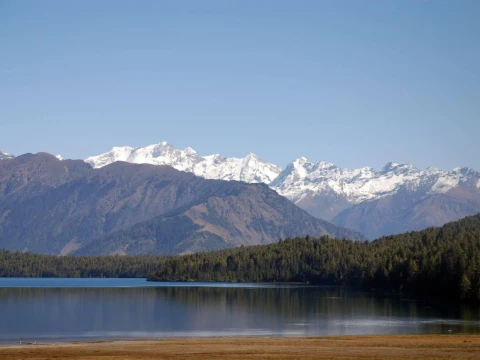
The Rara Lake Trek, organized by Mount Horizon Treks & Tours, is one of Nepal’s most scenic and untouched trekking routes. This journey takes you through the remote Karnali region, offering spectacular mountain views, dense forests, and traditional villages rarely seen by mainstream tourists. The highlight of this trek is Rara Lake, Nepal’s largest lake, situated at an altitude of 3,010 meters (9,876 ft). The lake is renowned for its crystal-clear waters, surrounded by lush pine and rhododendron forests, reflecting the snow-capped peaks of the Himalayas, creating a postcard-perfect scenery.Trekking through this area not only provides breathtaking landscapes but also a glimpse into the rich culture of the Karnali people, who have preserved their unique traditions, language, and lifestyle. Along the trail, travelers pass through Sinja Valley, the historic birthplace of the Nepali language, and experience remote settlements where life has remained largely unchanged for centuries. This trek is a blend of natural beauty, cultural immersion, and adventure, making it a memorable journey for those seeking off-the-beaten-path experiences.Spectacular views of the Himalayas surrounding Rara LakeRich cultural exposure in the Sinja Valley and JumlaRemote trails through dense forests and pristine landscapesOpportunity to explore traditional Nepali villagesBest Season for Rara Lake TrekThe Rara Lake Trek can be done almost year-round, but the best seasons are autumn (September to November) and spring (March to May). During autumn, the skies are usually clear, providing unobstructed views of the Himalayan peaks. Spring offers vibrant rhododendron forests in full bloom, painting the trails with red and pink hues.Winter trekking is possible but can be extremely cold, especially around Rara Lake, with snow making some trails challenging. The monsoon season (June to August) is generally avoided due to heavy rainfall, slippery trails, and potential landslides. Choosing the right season ensures not only safety but also the best possible scenery and trekking conditions.Seasonal Overview:Autumn: Clear skies, stable weather, ideal for photographySpring: Blooming rhododendrons, pleasant temperaturesWinter: Snow-covered trails, suitable for experienced trekkersMonsoon: Risky due to landslides and heavy rainRara Lake Trek Difficulty and TransportationThe trek is moderate to challenging due to daily trekking hours of 4–6 hours and occasional steep ascents and descents. The highest point of the trek reaches Chere Chaur at 3,055m (10,023 ft) and Ghorosingha at 3,050m (10,007 ft), which can be physically demanding. Good stamina, proper trekking gear, and acclimatization are recommended to enjoy the trek safely.Transportation to the trailhead involves flying from Kathmandu to Nepalgunj, then from Nepalgunj to Jumla. From Jumla, the trek begins on foot, winding through remote villages and forest trails until reaching Rara Lake. Return journeys follow the same route or can include short flights for convenience.Key Points on Difficulty & Transport:Moderate to challenging trek, suitable for regular hikersDaily trekking duration: 4–6 hoursAir travel: Kathmandu → Nepalgunj → JumlaThe trail passes through remote villages and uneven pathsFood and Accommodation for Rara Lake TrekAccommodation along the Rara Lake Trek is mostly teahouses and lodges, offering basic yet comfortable facilities. In some remote sections, trekkers may need to camp, but Mount Horizon Treks & Tours ensures safe and well-equipped arrangements. Meals are typically Nepali cuisine, such as dal bhat (rice and lentils), noodles, and soups, with occasional continental options in larger settlements.Water is generally available, but travelers are advised to purify or boil water before drinking. Eating at local teahouses not only supports local communities but also provides an authentic cultural experience. Mount Horizon Treks & Tours ensures that all meals and accommodations are planned in advance for convenience and comfort.Food & Accommodation Highlights:Teahouse or lodge accommodation along the routeTraditional Nepali meals and limited continental optionsCamping arrangements in remote areasSafe drinking water is recommended to be purifiedRara Lake Trek PermitsTrekking to Rara Lake requires specific permits, including the Karnali Province Restricted Area Permit and Trekkers’ Information Management System (TIMS) card. These permits are essential for regulating tourism and ensuring trekkers’ safety in the remote regions.Mount Horizon Treks & Tours assists with all permit arrangements, making the process seamless for travelers. The permits also support local conservation efforts, helping preserve the pristine environment around Rara Lake and surrounding villages.Permit Summary:TIMS Card: Mandatory for all trekkersKarnali Restricted Area Permit: Required for the Rara Lake regionHandled and arranged by the trekking agencyWhy Choose Rara Lake TrekChoosing the Rara Lake Trek with Mount Horizon Treks & Tours is ideal for adventurers seeking solitude, natural beauty, and cultural immersion. The trek avoids crowded tourist routes, offering a peaceful experience surrounded by unspoiled nature. Travelers witness Rara Lake at sunrise and sunset, explore the rich culture of Sinja Valley, and enjoy trekking through a variety of terrains, from lush forests to alpine meadows.With expert guides, proper accommodations, and safe logistics, Mount Horizon Treks & Tours ensures a stress-free, unforgettable trekking adventure. The combination of scenic landscapes, cultural richness, and remote wilderness makes this trek a truly unique experience in Nepal.Reasons to Choose:Off-the-beaten-path trekking experienceExperienced guides and safe logisticsStunning Himalayan and lake viewsCultural and historical immersion
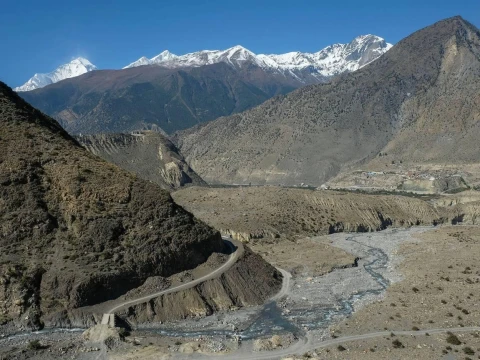
The Upper Mustang Trek is one of Nepal’s most unique and culturally rich trekking experiences, taking you into the remote, semi-arid region north of the Himalayas. Often referred to as the “Last Forbidden Kingdom,” Upper Mustang preserves ancient Tibetan traditions, monasteries, and cave dwellings that date back centuries. Beginning in Kathmandu, the journey moves through scenic landscapes to Pokhara, then flies to Jomsom, the gateway to Mustang.As you trek through windswept valleys and dramatic cliffs, you will pass traditional villages like Kagbeni, Ghami, and Charang before reaching the walled city of Lo Manthang. The region’s stark desert-like terrain contrasts beautifully with snow-capped Himalayan peaks. With Mount Horizon Treks & Tours, the itinerary is carefully designed to ensure proper acclimatization, cultural immersion, and a safe trekking experience.Ancient Tibetan Buddhist cultureScenic flight to JomsomExploration of Lo ManthangUnique desert-like Himalayan landscapesBest Season for Upper Mustang TrekThe Upper Mustang region lies in the rain shadow of the Himalayas, making it one of the few trekking destinations in Nepal suitable even during the monsoon season. The best time to trek is from March to November, when the weather is relatively stable, and the skies are clear. Spring (March–May) offers blooming landscapes and moderate temperatures, while autumn (September–November) provides excellent visibility and crisp mountain views.Interestingly, the monsoon season (June–August) is also ideal because Upper Mustang remains dry compared to other regions of Nepal. This makes it a great alternative when popular routes like the Annapurna Circuit experience heavy rainfall. Winter (December–February), however, can be harsh due to cold temperatures and strong winds.Best seasons at a glance:Spring: Warm weather and blooming natureSummer/Monsoon: Dry trails in the rain-shadow regionAutumn: Clear skies and best mountain viewsWinter: Cold and less recommendedUpper Mustang Trek Difficulty and TransportationThe Upper Mustang Trek is considered a moderate-level trek, suitable for trekkers with a reasonable level of fitness. Although it does not involve technical climbing, the long walking hours (5–7 hours per day), high altitude (up to 3,860 meters), and strong winds can make the journey challenging. Proper acclimatization and a steady pace are essential to avoid altitude sickness.Transportation is a key part of the journey. Starting from Kathmandu, you will drive to Pokhara and then take a short but scenic flight to Jomsom. These transitions reduce trekking days while enhancing the overall experience. Mount Horizon Treks & Tours ensures comfortable travel arrangements, including reliable vehicles and flight coordination.Difficulty & transport highlights:Moderate trekking levelDaily hikes of 5–7 hoursMaximum altitude: ~3,860mDrive + domestic flights includedFood and Accommodation for Upper Mustang TrekDuring the trek, accommodation is primarily in teahouses or lodges run by local families. These accommodations are basic but comfortable, offering a warm place to rest after a long day of trekking. Rooms are typically twin-sharing, and facilities may be simple, especially in remote villages.Food options are surprisingly varied, with a mix of Nepali, Tibetan, and some Western dishes. Popular meals include dal bhat (rice and lentils), noodles, soups, and Tibetan bread. Mount Horizon Treks & Tours ensures hygienic and nutritious meals throughout the trek to keep you energized.Food & accommodation features:Teahouse/lodge staysLocal and international meal optionsWarm hospitality from localsBasic but comfortable facilitiesUpper Mustang Trek PermitsUpper Mustang is a restricted area, so special permits are required for entry. Trekkers must obtain a Restricted Area Permit (RAP) and an Annapurna Conservation Area Permit (ACAP). These permits help preserve the region’s unique culture and environment while regulating tourism.All permit arrangements are handled efficiently by Mount Horizon Treks & Tours, allowing you to focus on enjoying your journey. It is mandatory to trek with a licensed guide, and independent trekking is not allowed in this region.Permit requirements:Restricted Area Permit (RAP)Annapurna Conservation Area Permit (ACAP)Licensed guide requiredOrganized trekking onlyWhy Choose Upper Mustang TrekThe Upper Mustang Trek stands out for its unique blend of culture, history, and landscape. Unlike other trekking regions in Nepal, it offers a rare glimpse into an ancient Tibetan-influenced kingdom that has remained largely unchanged for centuries. The dramatic scenery, combined with rich cultural heritage, makes it a once-in-a-lifetime adventure.Choosing Mount Horizon Treks & Tours ensures a safe, well-organized, and enriching trekking experience. Their professional guides, personalized service, and deep local knowledge make them an excellent choice for exploring this remote region.Why choose this trek:Unique “forbidden kingdom” experienceRich Tibetan culture and heritageLess crowded trailsExpert service by Mount Horizon Treks & Tours
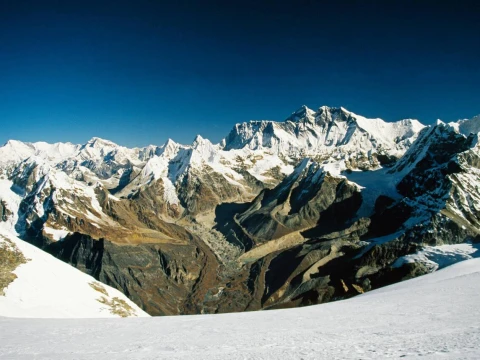
Mera Peak, standing at 6,461 meters (21,199 ft), is one of the highest trekking peaks in Nepal and offers a spectacular mix of trekking and mountaineering adventure. Unlike other peaks requiring extensive technical climbing, Mera Peak is suitable for climbers with moderate mountaineering experience, making it ideal for both adventurous trekkers and aspiring high-altitude climbers. The trek combines cultural exploration with high-altitude wilderness, taking you through traditional Sherpa villages, dense rhododendron forests, glacial moraines, and panoramic Himalayan views.The journey begins in Kathmandu, where climbers meet their guides from Mount Horizon Treks & Tours for pre-trek orientation. From there, a scenic flight to Lukla marks the beginning of the trek, winding through villages like Paiya, Panggom, and Ningsow, before reaching the challenging high-altitude camps at Kothe, Thaknak, and Khare. At Khare, climbers acclimatize and undergo pre-climb training before ascending to the Mera High Camp and ultimately summiting Mera Peak. The expedition is thoughtfully paced to minimize altitude sickness risk while maximizing the Himalayan experience.Summit Mera Peak (6,461m / 21,199 ft)Trek through the Everest region villages and highland pasturesViews of Everest, Makalu, Cho Oyu, and other Himalayan giantsCultural encounters with Sherpa communitiesBest Season for Mera Peak ClimbingThe ideal times to climb Mera Peak are spring (March–May) and autumn (September–November). During these months, the weather is relatively stable, with clear skies and moderate temperatures at higher elevations. Spring offers blossoming rhododendrons and vibrant landscapes along the trekking route, while autumn provides the clearest views of the surrounding Himalayan peaks.Winter (December–February) presents a much colder and harsher environment, with heavy snow, limited accessibility, and a higher risk of altitude-related complications. Summer (June–August) brings the monsoon, making trails slippery and dangerous and reducing visibility due to cloud cover. For those seeking both adventure and safety, spring and autumn are highly recommended for optimal trekking and climbing conditions.Highlights:Spring: March–May, blooming rhododendrons, mild temperaturesAutumn: September–November, stable weather, crystal-clear Himalayan viewsAvoid monsoon (June–August) and harsh winter (Dec–Feb)Mera Peak Climbing Difficulty and TransportationMera Peak is considered a moderate trekking peak, suitable for climbers with basic mountaineering experience. The trek includes long days of walking over rocky paths, river crossings, glacial moraines, and steep ascents toward high camps. Climbers should be comfortable with high-altitude conditions, and Mount Horizon Treks & Tours ensures a structured acclimatization schedule to minimize altitude sickness. The summit climb involves using fixed ropes, ice axes, and crampons, which are explained during pre-climb training at Khare.Transportation begins with a flight from Kathmandu to Lukla, one of the world’s most scenic but challenging airstrips. From Lukla, trekking is the main mode of transport, covering distances of 4–8 hours daily depending on terrain. For the return, the same route is used, descending via Zatrwa La Pass and back to Lukla for the flight to Kathmandu.Highlights:Moderate difficulty trekking peakHigh-altitude acclimatization essentialTechnical summit climb with basic mountaineering toolsTransportation: Kathmandu → Lukla (flight) → trekking route → returnFood and Accommodation for Mera Peak ClimbingThroughout the trek, climbers will experience tea houses and lodges in lower regions and camping at high-altitude camps. In villages such as Paiya, Panggom, and Kothe, comfortable lodges offer warm meals, hot showers (depending on availability), and local hospitality. At Khare and Mera High Camp, basic tents and communal kitchens provide necessary shelter and nourishment for climbers preparing for summit day.Meals focus on high-energy, carbohydrate-rich options, including dal bhat (rice and lentils), noodles, soups, pasta, and local delicacies. Mount Horizon Treks & Tours ensures proper food and water management, including boiled or filtered water, to maintain climbers’ strength and hydration at high altitudes.Highlights:Tea houses in the lower regionsTent accommodation at Khare and Mera High CampHigh-calorie meals suitable for high-altitude trekkingHot beverages and hydration managementMera Peak Climbing PermitsClimbers require several permits to access Mera Peak. These include the TIMS card (Trekkers’ Information Management System), the Sagarmatha National Park entry permit, and the Mera Peak climbing permit, all managed by the Nepal government. Mount Horizon Treks & Tours handles all permit arrangements, ensuring a hassle-free experience. Permit costs vary depending on nationality and climbing season, but are essential for legal trekking and climbing.Highlights:TIMS card for trekkingSagarmatha National Park entry permitMera Peak climbing permitPermit arrangements managed by Mount Horizon Treks & ToursWhy Choose Mera Peak ClimbingMera Peak is an ideal destination for those seeking high-altitude adventure without extreme technical climbing. It provides a mix of trekking, culture, and mountaineering, allowing climbers to experience Himalayan grandeur with proper guidance. Choosing Mount Horizon Treks & Tours guarantees professional guides, experienced Sherpa support, proper acclimatization, and logistical arrangements from Kathmandu to the summit and back.With safety as a priority, structured itineraries, and personalized support, Mera Peak climbing is accessible yet rewarding. The combination of stunning landscapes, summit achievement, and cultural immersion makes it a once-in-a-lifetime Himalayan adventure.Highlights:Professional guiding and support by Mount Horizon Treks & ToursSafe, structured acclimatization planAccess to remote Himalayan villages and pristine landscapesRewarding summit experience at 6,461m
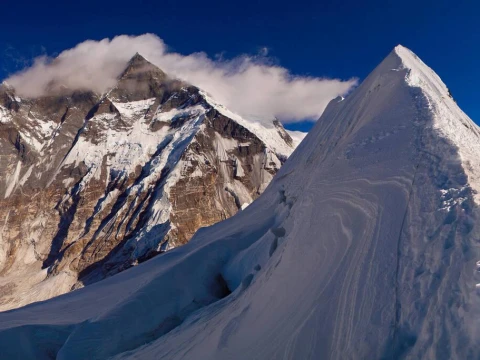
Island Peak, also known as Imja Tse, is one of the most popular trekking peaks in the Nepalese Himalayas. Standing at 6,189 meters (20,305 ft), it offers climbers an exciting blend of trekking and technical mountaineering. The climb is a perfect introduction to high-altitude mountaineering for those who want a challenging yet achievable Himalayan experience. Unlike Everest, Island Peak allows climbers to enjoy panoramic views of the majestic peaks, including Mount Everest, Lhotse, Ama Dablam, and Makalu, without the extreme logistical demands of higher summits.The expedition usually starts with a scenic flight from Kathmandu to Lukla, followed by a trek through Sherpa villages, dense forests, and high-altitude landscapes. Mount Horizon Treks & Tours ensures a well-structured itinerary with gradual acclimatization days in Namche Bazaar and Dingboche to help climbers adapt to the altitude. Along the route, climbers also experience Sherpa culture, Buddhist monasteries, and spectacular Himalayan vistas, making it a culturally enriching journey as well as a physical challenge.Elevation: 6,189 m / 20,305 ftBase: Nepal’s Khumbu regionDuration: 18 days, including acclimatizationCultural exposure: Sherpa villages, monasteries, and Himalayan landscapesSuitable for climbers with moderate mountaineering experienceBest Season for Island Peak ClimbingThe best time to climb Island Peak is during pre-monsoon (spring) from March to May and post-monsoon (autumn) from late September to November. During these periods, the weather is relatively stable, with clear skies offering unobstructed views of the Himalayan peaks. Spring brings blooming rhododendrons in the lower valleys, while autumn offers crisp air and spectacular sunsets over the mountains.Winter (December to February) can be extremely cold and challenging due to heavy snowfall and sub-zero temperatures, whereas the monsoon season (June to early September) brings slippery trails, leeches, and reduced visibility, making climbing unsafe. Mount Horizon Treks & Tours customizes itineraries to ensure maximum safety and optimal climbing conditions by selecting the best windows for ascent.Key points about the climbing season:Spring (March–May) – stable weather, blooming landscapesAutumn (September–November) – clear skies, optimal viewsAvoid monsoon (June–early September) – slippery trails, poor visibilityWinter (December–February) – extreme cold, high avalanche riskIsland Peak Climbing Difficulty and TransportationIsland Peak is categorized as a moderate trekking peak but involves technical sections requiring ice axe and crampon skills. The summit climb has steep snow slopes and fixed ropes, making it suitable for climbers with prior trekking experience or basic mountaineering knowledge. Acclimatization days at Namche Bazaar and Dingboche are crucial for preventing altitude sickness and ensuring a safe ascent.Transportation begins with a flight from Kathmandu to Lukla, known for its thrilling runway amidst mountains. From Lukla, trekkers follow trails passing Phakding, Namche Bazaar, Tengboche, Dingboche, Lobuche, and Chhukung before reaching Island Peak Base Camp. Trekkers experience diverse terrain, including rhododendron forests, glacial moraines, and high-altitude valleys. Mount Horizon Treks & Tours provides experienced guides and support staff for safe and smooth transportation along the route.Transportation and difficulty at a glance:Lukla flight: scenic, thrilling, requires clear weatherTrekking: 12–16 days to reach the base camp graduallySummit climb: steep snow slopes, rope sections, crampons requiredDifficulty: Moderate to challenging; suitable for fit trekkers with basic mountaineering skillsFood and Accommodation for Island Peak ClimbingAlong the trek, accommodations are primarily tea houses and lodges, which offer simple but comfortable facilities. In the lower elevations like Namche Bazaar, lodges may have private rooms and heated areas, while higher up, dormitory-style arrangements are common. Cleanliness and facilities improve with altitude, though amenities naturally decrease as you approach base camp.Food on the trail is varied, including local Nepali dishes such as dal bhat, momo, and thukpa, along with Western options like pasta, noodles, and soups. At high-altitude camps and base camps, climbers rely on energy-rich meals such as porridge, biscuits, chocolate, and soups. Mount Horizon Treks & Tours ensures high-quality meals, hot beverages, and proper hydration to maintain energy levels during long days of trekking and climbing.Summary of food and accommodation:Tea house lodges in villages; basic tents at higher campsWarm, hearty meals: Nepali and Western optionsGradual decrease in facilities as altitude increasesFocus on hygiene, hydration, and energy-rich nutritionIsland Peak Climbing PermitsClimbing Island Peak requires several permits from the Nepalese government. Trekkers need:Trekking Permit – TIMS (Trekkers’ Information Management System) cardSagarmatha National Park Permit – for the Khumbu regionIsland Peak Climbing Permit – issued by the Department of TourismThese permits ensure safety, environmental protection, and legal compliance during the expedition. Mount Horizon Treks & Tours assists climbers with all necessary paperwork, so travelers can focus on the experience rather than administrative tasks. Carrying proper documentation is essential for entry to national parks, base camps, and climbing routes.Permit highlights:TIMS card for trekkingSagarmatha National Park entry permitIsland Peak climbing permit from the governmentGuided support ensures hassle-free acquisitionWhy Choose Island Peak ClimbingIsland Peak offers a perfect blend of adventure, challenge, and cultural experience. It is ideal for those looking to experience high-altitude climbing without attempting the extreme technical challenges of higher peaks. Climbers enjoy stunning views, a sense of accomplishment, and exposure to Sherpa culture along the way.Choosing Mount Horizon Treks & Tours ensures:Expert guidance from certified mountain guidesSafety protocols and acclimatization strategiesWell-planned itinerary balancing trekking, climbing, and restSupport for permits, transport, and logisticsMemorable cultural interactions and local experiencesIsland Peak is not just a climb; it’s a journey that combines the thrill of mountaineering with the beauty of the Himalayas, making it a lifetime adventure for any trekking enthusiast.
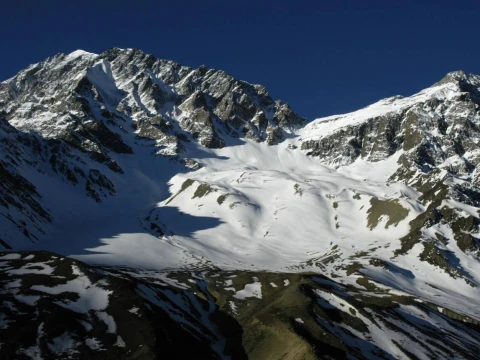
Pisang Peak is a majestic trekking peak located in the Annapurna region of Nepal, rising to 6,091 meters (19,985 ft). It is renowned for offering climbers breathtaking panoramic views of the Annapurna and Manaslu ranges. The climb is a perfect combination of trekking and mountaineering, allowing adventurers to experience high-altitude landscapes without requiring extensive technical climbing experience. The ascent of Pisang Peak is a popular choice for climbers seeking to venture into high-altitude mountaineering while enjoying well-established trails and villages along the way.This trek begins with a drive from Kathmandu to Jagat, followed by trekking through the beautiful Manang Valley, passing through lush forests, terraced fields, and highland settlements. Trekkers get to experience a gradual acclimatisation process, with stops at Chame, Upper Pisang, and Manang, which helps reduce the risk of altitude sickness. The final stages of the trek involve navigating glacier trails and ice slopes to reach the summit of Pisang Peak.Summit Pisang Peak at 6,091 meters.Spectacular views of Annapurna II, Annapurna III, Gangapurna, and Pisang Peak itself.Immersive experience in traditional Gurung and Tibetan-influenced villages.A combination of trekking and technical mountaineering.Best Season for Pisang Peak ClimbingThe best times to climb Pisang Peak are spring (March to May) and autumn (September to November). During these periods, the weather is generally stable, the skies are clear, and the mountain views are at their most spectacular. Spring offers vibrant rhododendron forests and blooming alpine flowers along the trail, while autumn presents dry trails and crisp, panoramic views of the surrounding peaks.Winter climbs (December to February) are possible but less recommended due to extremely cold temperatures and heavy snow in higher elevations, which increases avalanche risks. The monsoon season (June to August) is not ideal because the trails become slippery, and heavy rainfall can trigger landslides, making trekking dangerous. By choosing spring or autumn, climbers also benefit from milder temperatures during summit attempts, making it safer and more enjoyable.Best Season Key Points:Spring (March-May): Blooming rhododendrons, moderate temperatures.Autumn (September-November): Clear skies, stable weather, best visibility.Avoid the monsoon and peak winter months.Pisang Peak Climbing Difficulty and TransportationPisang Peak is considered a moderate trekking peak. While the lower and mid-sections involve regular trekking paths, the final ascent includes snow and ice slopes, which require basic technical climbing skills such as using crampons, ice axes, and rope techniques. The climb is suitable for adventurous trekkers with prior trekking experience and a good fitness level. Proper acclimatisation is essential to minimise altitude sickness risks, which is why the itinerary includes acclimatisation days at Upper Pisang and Manang.Transportation starts with a drive from Kathmandu to Jagat, which takes around 7-8 hours. From Jagat, trekking begins and continues through the Manang Valley, passing settlements like Dharapani, Chame, and Pisang. After the climb, the route descends through Thorong La Pass to Jomsom, from where a scenic flight to Pokhara and a drive back to Kathmandu completes the journey.Difficulty & Transportation Points:Moderate climbing with a technical summit section.Requires good physical fitness and proper acclimatisation.Transport: Kathmandu → Jagat by vehicle, Jomsom → Pokhara flight.Glacier trekking and ice slope navigation at high altitude.Food and Accommodation for Pisang Peak ClimbingAlong the trek, accommodation is mainly provided in teahouses and lodges in villages like Chame, Upper Pisang, and Manang. These lodges are simple but comfortable, offering clean rooms and warm bedding. At higher altitudes, facilities become more basic, especially near Pisang Peak Base Camp and High Camp, where climbers stay in tents provided by the trekking company.Food during the trek is a mix of local Nepali dishes such as dal bhat (lentil soup with rice), momo (dumplings), noodles, and porridge. At higher camps, meals may include high-energy options such as pasta, soups, and dehydrated foods suitable for climbers. Hydration is critical at high altitudes, and boiled or bottled water is recommended. Mount Horizon Treks & Tours ensures all meals are nutritious and appropriate for energy needs, with hot meals provided at lodges and camps.Food & Accommodation Points:Comfortable teahouses in villages.Tented accommodations near Base Camp and High Camp.Balanced meals with local Nepali cuisine and high-energy options.Hot beverages and hydration support at all stages.Pisang Peak Climbing PermitsClimbers are required to secure several permits before beginning the Pisang Peak climb. The main permits include the Annapurna Conservation Area Permit (ACAP) and the Trekking Peak Permit issued by the Nepal Mountaineering Association. These permits help regulate trekking activities, ensure environmental conservation, and provide access to emergency services if needed.Mount Horizon Treks & Tours assists clients in obtaining all necessary permits, ensuring a smooth and hassle-free process. The permits are usually verified at checkpoints along the trail, and climbers must carry them throughout the trek. Additionally, climbers need to provide passports, passport-sized photos, and proof of travel insurance for high-altitude trekking and mountaineering.Permit Highlights:Annapurna Conservation Area Permit (ACAP).Pisang Peak Trekking Peak Permit (NMA).Assistance provided by the trekking company.Essential for legal and safe access to the mountain.Why Choose Pisang Peak Climbing with Mount Horizon Treks & ToursChoosing Mount Horizon Treks & Tours for Pisang Peak ensures a professionally guided, safe, and well-organised adventure. The company has extensive experience in high-altitude mountaineering and offers personalised itineraries that balance trekking, acclimatisation, and climbing. Experienced guides, porters, and Sherpa support make the climb manageable even for first-time climbers at this altitude.Additionally, Mount Horizon Treks & Tours emphasises safety, comfort, and cultural immersion. They provide high-quality equipment, carefully planned food and lodging, and experienced mountaineering guides. The company also focuses on responsible tourism, ensuring minimal environmental impact and supporting local communities along the trail. Whether you are seeking adventure, stunning Himalayan scenery, or cultural experiences, Pisang Peak climbing with Mount Horizon Treks & Tours is a journey that combines challenge with safety and comfort.Why Choose Points:Expert guides and support staff.Structured acclimatisation and safety measures.Quality accommodation and high-energy meals.Immersive experience in Himalayan culture and landscapes.
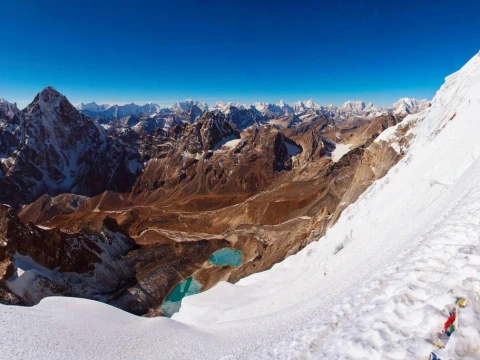
Lobuche Peak, standing at 6,119 meters (20,075 ft), is one of the most popular trekking peaks in the Everest region of Nepal. Located near the iconic Khumbu Glacier, it offers climbers breathtaking views of Mount Everest, Lhotse, Nuptse, and Ama Dablam. Unlike Everest, Lobuche Peak is considered a trekking peak, making it accessible to climbers with moderate mountaineering experience. The climb combines trekking with basic technical mountaineering, including the use of crampons and ice axes.Mount Horizon Treks & Tours organizes Lobuche Peak expeditions with a structured itinerary, allowing climbers to gradually acclimatize and enjoy the natural beauty of the Khumbu region. The journey typically begins with a flight to Lukla, followed by a trek through Namche Bazaar, Tengboche, Dingboche, and Lobuche Base Camp before attempting the summit. Along the way, climbers experience Sherpa culture, Buddhist monasteries, and spectacular Himalayan landscapes.Summit height: 6,119 m (20,075 ft)Stunning views of Everest and the surrounding peaksModerate technical climbing is suitable for beginners with guidanceOpportunity to explore Sherpa cultureBest Season for Lobuche Peak ClimbingThe optimal climbing windows for Lobuche Peak are pre-monsoon (March to May) and post-monsoon (late September to November). During these periods, the weather is relatively stable, offering clear skies and excellent visibility of the Himalayan peaks. The pre-monsoon season is slightly warmer, while the post-monsoon brings crisp, dry conditions ideal for photography.Winter climbs (December to February) are challenging due to extreme cold and heavy snow, making them suitable only for experienced climbers. The monsoon season (June to early September) is generally avoided due to heavy rainfall, landslides, and obstructed views. Planning your climb in the recommended seasons ensures safer trekking conditions and the best opportunity to reach the summit.Seasonal Advantages:Clear views of Everest and surrounding peaksSafer trekking and climbing conditionsIdeal weather for photography and high-altitude hikingLobuche Peak Climbing Difficulty and TransportationLobuche Peak is categorized as a moderate trekking peak, requiring basic mountaineering skills such as using crampons, ice axes, and fixed ropes. Climbers should be in good physical condition, as summit day involves a long, steep climb with exposure to altitude. The approach trek is also moderately strenuous, requiring endurance for 5–7 hours of daily hiking at high altitudes.Transportation begins with a short scenic flight from Kathmandu to Lukla, followed by trekking through the Everest region. The trek passes through villages like Phakding, Namche Bazaar, Tengboche, and Dingboche, allowing climbers to acclimatize before ascending Lobuche. Helicopter evacuation services are available for emergencies, though most climbers rely on the support of Mount Horizon Treks & Tours guides and Sherpa teams.Key Points:Moderate difficulty, suitable for beginners with guidanceRequires high-altitude trekking experienceTrekking involves 5–7 hours daily on mixed terrainShort domestic flight from Kathmandu to LuklaFood and Accommodation for Lobuche Peak ClimbingAccommodation during the Lobuche Peak expedition mainly consists of tea houses and mountain lodges. These provide basic but comfortable amenities such as warm beds, blankets, and shared bathrooms. Mount Horizon Treks & Tours carefully selects lodges that maintain hygiene and offer cozy resting spots for climbers.Meals are generally Nepali and Western-style, including dal bhat (rice and lentils), pasta, noodles, soups, and energy-rich snacks. During summit attempts, high-calorie, packed meals are provided to maintain energy levels. Mount Horizon Treks & Tours ensures climbers have access to safe drinking water through filtration and bottled sources along the trekking route.Highlights:Comfortable tea houses and lodges at each stopNutritious Nepali and Western mealsHigh-calorie meals for summit dayAvailability of safe drinking waterLobuche Peak Climbing PermitsClimbers require a trekking peak permit issued by the Nepal Mountaineering Association (NMA) to ascend Lobuche Peak. Additionally, entry permits to the Sagarmatha National Park and the Khumbu region are mandatory. Mount Horizon Treks & Tours handles all permit arrangements, ensuring a smooth and hassle-free experience for clients.Required Permits:Lobuche Peak climbing permit (NMA)Sagarmatha National Park entry permitKhumbu region trekking permitFees and paperwork handled by Mount Horizon Treks & ToursWhy Choose Lobuche Peak Climbing with Mount Horizon Treks & ToursChoosing Mount Horizon Treks & Tours for Lobuche Peak offers expert guidance, safety, and seamless logistics. Their professional guides and experienced Sherpa team ensure climbers receive proper acclimatization schedules, technical instruction, and support throughout the expedition. Safety protocols, including oxygen and medical kits, are strictly followed.Beyond logistics, the company provides a personalized trekking experience, introducing climbers to local culture, monasteries, and the Himalayan lifestyle. With attention to detail—from transportation and accommodation to food and equipment—Mount Horizon Treks & Tours makes Lobuche Peak climbing a memorable adventure for both beginners and experienced mountaineers.Why Choose Us:Expert Sherpa-guided climbsFull logistics and permit handlingEmphasis on safety and acclimatizationImmersive cultural and scenic experience

 (2)
 100% recommend (0)

 (0)