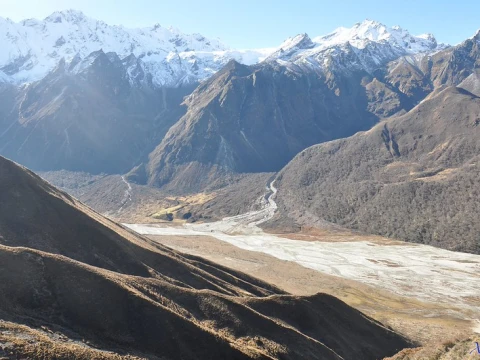
The Langtang Valley Trek is one of Nepal’s most scenic and culturally rich trekking routes, located just north of Kathmandu near the Nepal-Tibet border. Starting from Syabrubesi, the trail winds through lush forests of rhododendron and oak, past traditional Tamang villages, and offers spectacular views of snow-capped peaks, including Langtang Lirung and Ganesh Himal. Trekkers get a blend of nature, wildlife, and local culture as they move through monasteries, traditional villages, and pristine alpine landscapes.The trek is popular for its accessibility and stunning natural diversity. Highlights include Kyanjin Gompa, a 400-year-old monastery and cheese-making hub, and the challenging yet rewarding climb to Tserko Ri (5,000m), which offers panoramic views of the Langtang Himalayan range. The trail passes through terraced farmlands, bamboo forests, and glacial streams, making it a photographer’s paradise.Best Season for Langtang Valley TrekThe best time to undertake the Langtang Valley Trek is during spring (March to May) and autumn (September to November). Spring is ideal for rhododendron blooms, green valleys, and mild weather, while autumn offers clear skies, stable temperatures, and the best visibility for mountain panoramas.Winter trekking is possible, but temperatures drop sharply, and snowfall may block trails. Monsoon season (June to August) is not recommended due to slippery trails, leeches, and landslides, though the forests are lush and green during this period. Optimal trekking seasons combine safe trails, comfortable temperatures, and breathtaking views of the Himalayas.Short Point List:Spring (Mar–May) – rhododendron blooms, moderate weatherAutumn (Sep–Nov) – clear skies, best visibilityWinter (Dec–Feb) – cold, possible snowMonsoon (Jun–Aug) – slippery trails, rain hazardsLangtang Valley Trek Difficulty and TransportationThe trek is considered moderate to challenging, with daily treks ranging from 3 to 9 hours. Altitude gain is gradual, but Tserko Ri’s climb is physically demanding. Trekkers should be prepared for long walking days, steep ascents, and occasional uneven trails. Proper acclimatization is essential, particularly at Kyanjin Gompa and Tserko Ri.Transportation begins with a private or tourist bus/vehicle from Kathmandu to Syabrubesi, a journey of approximately 7-8 hours through scenic hills and rivers. The return follows the same route. Mountain Horizon Treks & Tours arranges comfortable and safe transportation, ensuring you have enough rest before the trekking days begin.Short Point List:Trek Duration: 6–9 hours/dayAltitude: 1,550m to 5,000mTrail Type: Moderate to challengingTransportation: Kathmandu–Syabrubesi by jeep/busAcclimatization: Necessary at Kyanjin GompaFood and Accommodation for Langtang Valley TrekAccommodation along the trail is mainly in teahouses and lodges, ranging from basic to semi-comfortable. Most teahouses offer beds, blankets, and shared bathrooms. In Kyanjin Gompa, slightly better options are available, including guesthouses with hot showers.Food is mostly Nepali and Tibetan cuisine, including dal bhat (lentil rice), momo (dumplings), noodles, and soups. Western dishes are available at main stops like Lama Hotel and Kyanjin Gompa. Trekkers should carry snacks, water purification tablets, and energy bars for long trekking days, especially for Tserko Ri.Short Point List:Accommodation: Teahouses and lodgesMeals: Nepali and Tibetan cuisineHot water: Available in main stops (extra cost)Snacks: Recommended for long trekking daysHydration: Carry enough water; purifying tablets are usefulLangtang Valley Trek PermitsTrekking in Langtang Valley requires two permits: the Langtang National Park Entry Permit and the TIMS (Trekkers’ Information Management System) Card. These are mandatory for all trekkers and can be obtained in Kathmandu or at the Syabrubesi entry point.The permits help manage tourism sustainably and protect the fragile ecosystem. Mount Horizon Treks & Tours ensures all permits are arranged in advance, so trekkers can focus on the journey without administrative hassles.Short Point List:Langtang National Park Entry PermitTIMS CardMandatory for all trekkersArranged by the trekking companyHelps conservation and safetyWhy Choose Langtang Valley TrekLangtang Valley Trek is ideal for those seeking stunning Himalayan views, cultural encounters, and moderate adventure without venturing to extremely remote regions. Its proximity to Kathmandu makes it accessible, while the combination of natural beauty, monasteries, and local hospitality provides a rich experience.Choosing Mount Horizon Treks & Tours guarantees a well-organized journey with experienced guides, quality accommodation, safety measures, and support throughout the trek. Their expertise ensures smooth logistics, cultural insights, and personalized attention, making your Langtang adventure truly memorable.Short Point List:Scenic Himalayan viewsRich Tamang culture and monasteriesModerate adventure for intermediate trekkersExperienced guides and supportSafe, well-organized itinerary
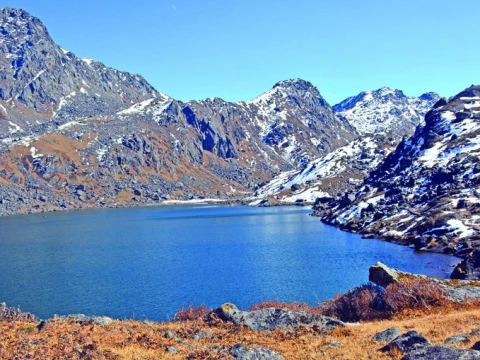
The Langtang Gosaikunda Trek is one of Nepal’s most scenic and culturally rich trekking routes. This trail takes you through lush forests, traditional Tamang and Sherpa villages, glacial valleys, and high-altitude alpine meadows. Starting from Kathmandu, trekkers journey through the Langtang region, culminating at the sacred Gosaikunda Lake, which holds immense religious significance for both Hindus and Buddhists. Along the way, trekkers can enjoy panoramic views of peaks like Langtang Lirung (7,234m) and Ganesh Himal, while experiencing the unique hospitality and traditions of local communities.The trek usually spans 12–14 days, allowing ample time for acclimatization and exploration. Highlights include a visit to Kyanjin Gompa, where trekkers can witness Tibetan-style monasteries, cheese factories, and stunning Himalayan vistas. Another major attraction is Tserko Ri, a viewpoint at 5,000m offering breathtaking sunrise and sunset panoramas over Langtang and Gosaikunda regions. The trek combines natural beauty, cultural immersion, and spiritual experiences, making it ideal for adventure seekers and cultural enthusiasts alike.Starts from Kathmandu and passes through Syabrubesi, Lama Hotel, Langtang Village, and Kyanjin Gompa.Day hike to Tserko Ri (5,000m) for panoramic mountain views.Culminates at Gosaikunda Lake (4,380m), a sacred pilgrimage site.Opportunity to explore traditional Tamang and Sherpa villages.Best Season for Langtang Gosaikunda TrekThe best seasons to undertake the Langtang Gosaikunda Trek are spring (March–May) and autumn (September–November). During these periods, the weather is generally stable, the skies are clear, and the mountain views are spectacular. Spring is also famous for rhododendron blooms along the trail, adding vibrant colors to the forests and valleys. Autumn, on the other hand, is ideal for those who want crisp air, minimal rainfall, and dry trekking paths.Winter trekking (December–February) is possible but challenging due to heavy snow at high altitudes, particularly around Gosaikunda and Tserko Ri. Summer (June–August) is the monsoon season, which can bring slippery trails, landslides, and limited visibility. Hence, spring and autumn are highly recommended for a safer, more comfortable, and visually rewarding experience.Short Highlights:Spring: March–May, rhododendron blooms, mild weather.Autumn: September–November, clear skies, stable trekking conditions.Winter: Cold and snowy; requires snow trekking experience.Summer: Monsoon season, slippery trails, reduced visibility.Langtang Gosaikunda Trek Difficulty and TransportationThe Langtang Gosaikunda Trek is considered moderate to challenging, mainly due to high-altitude trekking, steep ascents, and long walking days. Trekkers should be physically fit, as some sections—like the ascent to Kyanjin Gompa and the climb to Tserko Ri—can be demanding. Altitude acclimatization is crucial, especially when trekking above 4,000 meters near Gosaikunda Lake. The trail includes a mix of forest paths, rocky trails, and some snow-covered areas, depending on the season.Transportation for this trek is straightforward. Most treks begin with a drive from Kathmandu to Syabrubesi (approx. 8–10 hours). This journey offers scenic views of the Trishuli River and terraced hillsides. At the end of the trek, trekkers are usually driven back from Dhunche to Kathmandu, completing a seamless trekking loop. Local jeeps, private vehicles, and tour operators like Mount Horizon Treks & Tours provide comfortable and reliable transport options.Short Highlights:Moderate to challenging trek with high-altitude sections.Steep ascents at Kyanjin Gompa and Tserko Ri.Acclimatization is essential above 4,000m.Transportation: Kathmandu ↔ Syabrubesi ↔ Dhunche via private vehicle or jeep.Food and Accommodation for Langtang Gosaikunda TrekAlong the Langtang Gosaikunda route, trekkers are accommodated in teahouses and lodges, which offer basic but comfortable lodging. In larger villages like Syabrubesi, Lama Hotel, Langtang Village, and Kyanjin Gompa, facilities are better, including hot showers and cozy rooms. Accommodation at higher altitudes can be more basic due to remoteness, so trekkers should be prepared for simple amenities.Food on the trail is generally a combination of Nepali and Tibetan cuisine, including dal bhat (rice and lentil soup), momo (dumplings), noodles, porridge, and soups. Tea, coffee, and hot chocolate are widely available. It’s advisable to carry high-energy snacks for long trekking days. Mount Horizon Treks & Tours ensures that trekkers have access to clean, safe, and nutritious meals to maintain energy levels throughout the journey.Short Highlights:Teahouse/lodge accommodations with basic facilities.Hot showers available in major villages.Local Nepali and Tibetan meals: dal bhat, momo, noodles, soups.Clean drinking water available; water purification recommended.Langtang Gosaikunda Trek PermitsTo trek in the Langtang region, visitors need the following permits:Langtang National Park Entry Permit – Required for all trekkers to enter the protected area.Trekkers’ Information Management System (TIMS) Card – Mandatory for all foreign trekkers.These permits help regulate trekking activity, preserve natural resources, and ensure the safety of visitors. Permits are easily arranged through travel agencies like Mount Horizon Treks & Tours, which handle all paperwork to simplify the trekking experience. Carrying valid identification is also mandatory while trekking.Short Highlights:Langtang National Park Entry Permit.TIMS card for all foreign trekkers.Agency assistance is available for permits.Ensures safety, park conservation, and regulated trekking.Why Choose Langtang Gosaikunda TrekThe Langtang Gosaikunda Trek offers a perfect blend of adventure, natural beauty, and cultural immersion. Unlike more crowded trails like the Everest Base Camp or Annapurna Circuit, this route is quieter and provides a more intimate experience with local communities. Trekkers enjoy stunning mountain vistas, sacred lakes, alpine meadows, and rich biodiversity, including rhododendrons, orchids, and Himalayan wildlife.Choosing Mount Horizon Treks & Tours ensures a professionally organized trek with experienced guides, porters, and well-planned itineraries. Their local knowledge and attention to safety make the trek both enjoyable and secure. With well-arranged accommodations, meals, permits, and transportation, trekkers can focus entirely on exploring the beauty and spirituality of the Langtang Gosaikunda region.Short Highlights:A less crowded and culturally immersive trekking experience.Scenic landscapes, alpine meadows, and sacred lakes.Professional guides, porters, and full support from Mount Horizon Treks & Tours.Safe, well-organized, and memorable Himalayan adventure.
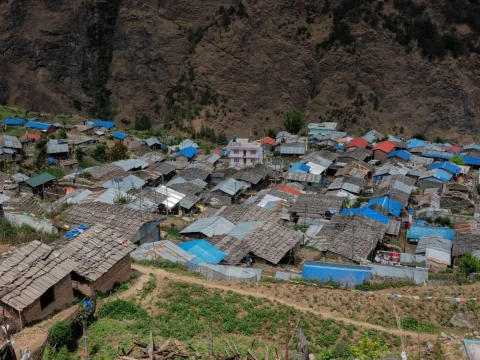
The Tamang Heritage Trail Trek, organized by Mount Horizon Treks & Tours, is a unique cultural and scenic journey in the heart of Nepal, combining the charm of traditional Tamang villages with breathtaking Himalayan landscapes. This trek begins with a drive from Kathmandu to Syabrubesi, the gateway to the trail, where trekkers start exploring a path that winds through lush forests, terraced fields, and centuries-old villages. The trek is not only an opportunity to enjoy natural beauty but also a cultural immersion, as it passes through numerous Tamang communities, allowing travelers to witness their lifestyle, rituals, and traditional houses.Throughout the trek, participants ascend and descend various trails that offer spectacular views of the Langtang Himalayan range, rolling hills, and the scenic Trisuli and Bhote Koshi river valleys. The route includes picturesque villages such as Gatlang, Tatopani, Thuman, and Briddhim, each offering unique cultural experiences. One of the highlights is the climb to Nagthali Bhyang at 3,165 meters, providing panoramic views of snow-capped peaks and the surrounding valleys. The trek concludes back in Syabrubesi before returning to Kathmandu, giving trekkers a complete blend of adventure, culture, and natural beauty.Trek through the Tamang villages rich in cultural heritageExperience panoramic Himalayan views, forests, and riversModerate trekking with both uphill and downhill trailsExplore traditional lifestyles and unique architectureGuided by local experts from Mount Horizon Treks & ToursBest Season for Tamang Heritage Trail TrekThe best time to undertake the Tamang Heritage Trail Trek is during the autumn (September to November) and spring (March to May) seasons. These periods offer stable weather, clear skies, and perfect visibility of the Himalayan peaks. Autumn is particularly favored as the monsoon rains have washed the air clean, leaving stunning views of the mountains and vibrant greenery along the trail. Spring, on the other hand, offers a riot of colorful rhododendron blooms, especially in forested sections between Syabrubesi and Gatlang.Winter can be cold with occasional snowfall at higher elevations such as Tatopani and Nagthali Bhyang, which may make the trails slippery, while the monsoon season (June to August) brings heavy rainfall, landslides, and leeches, making trekking challenging and less enjoyable. Travelers can also experience local festivals in Tamang villages if timed correctly, which adds an enriching cultural dimension to the trek.Short Point List:Autumn (Sep–Nov): Clear skies, moderate temperatures, best visibilitySpring (Mar–May): Blooming rhododendrons, mild temperatures, cultural festivalsWinter (Dec–Feb): Cold, occasional snow, quieter trailsMonsoon (Jun–Aug): Heavy rainfall, slippery trails, less scenicTamang Heritage Trail Trek Difficulty and TransportationThe Tamang Heritage Trail Trek is considered moderate in difficulty, making it suitable for both beginners with a basic fitness level and experienced trekkers. The trail involves gradual ascents and descents, with daily walking distances averaging 4–6 hours, though some days, like the trek from Tatopani to Thuman via Nagthali Bhyang, are more strenuous due to higher altitude gains. Proper trekking gear, walking poles, and acclimatization are recommended to ensure comfort and safety.Transportation is generally straightforward, with road transfers provided by Mount Horizon Treks & Tours. The journey begins with a scenic drive from Kathmandu to Syabrubesi, covering winding mountain roads and offering glimpses of local landscapes. After the trek, the return drive brings trekkers back to Kathmandu, providing an opportunity to enjoy riverside scenery along the way. Vehicles used are typically comfortable tourist vans or jeeps suitable for hilly terrain.Short Point List:Moderate difficulty with 4–6 hours of daily trekkingHighest point: Nagthali Bhyang (3,165m)Gradual ascents and descents through villages and forestsTransportation: Kathmandu ↔ Syabrubesi by tourist van/jeepTrek guided and supported by Mount Horizon Treks & ToursFood and Accommodation for Tamang Heritage Trail TrekAccommodation on the Tamang Heritage Trail Trek is primarily in teahouses and lodges, offering a comfortable experience while maintaining a local and authentic feel. Villages such as Gatlang, Tatopani, Thuman, and Briddhim provide clean rooms with basic amenities. Trekkers should note that facilities are simpler than in city hotels, with shared bathrooms and limited electricity in some remote villages.Food along the trail is a combination of local Tamang cuisine and standard trekking meals. Popular options include dal bhat (rice and lentil soup), momo (dumplings), noodles, and soups. Staying hydrated is essential, and boiled or filtered water is recommended. Trekkers can also enjoy warm beverages like tea or coffee in teahouses, which provide a cozy atmosphere after long walking days. Mount Horizon Treks & Tours ensures all meals and accommodations are arranged for comfort and hygiene throughout the journey.Short Point List:Lodging: Teahouses and lodges in villages along the trailMeals: Dal bhat, momo, noodles, soups, and local specialtiesBasic facilities: Shared bathrooms, limited electricityClean water recommended (boiled/filtered)Guided support ensures comfort and local experiencesTamang Heritage Trail Trek PermitsTo trek along the Tamang Heritage Trail, visitors need to obtain two main permits: the TIMS card (Trekkers’ Information Management System) and the Langtang National Park permit if passing through park areas. These permits help regulate tourism, support conservation, and ensure trekkers’ safety. TIMS is mandatory for all foreign trekkers, and it can be obtained in Kathmandu or at entry points like Syabrubesi.Langtang National Park permits are issued for areas under park jurisdiction and are crucial for preserving the biodiversity and natural environment of the Himalayan region. Mount Horizon Treks & Tours handles all the necessary permits, ensuring that trekkers can focus on enjoying the journey without administrative hassle. The company also advises trekkers to carry copies of their permits and identification throughout the trek.Short Point List:TIMS card: Mandatory for all foreign trekkersLangtang National Park permit: Required for protected areasObtained in Kathmandu or entry points like SyabrubesiPermits support conservation and safetyMount Horizon Treks & Tours arranges all permitsWhy Choose Tamang Heritage Trail TrekThe Tamang Heritage Trail Trek is ideal for travelers seeking a blend of adventure, culture, and natural beauty without the crowds of more famous routes like the Everest or Annapurna regions. The trail offers immersive experiences in Tamang villages, spectacular mountain vistas, serene forests, and authentic local hospitality. Every day brings a mix of cultural discovery and scenic exploration, making it a fulfilling and memorable trekking experience.Choosing Mount Horizon Treks & Tours ensures professional guidance, safety, and seamless planning. Their experienced local guides provide cultural insights, handle logistics, and offer support at every stage of the trek. With careful attention to comfort, food, and accommodations, the company creates a personalized experience for each traveler. Beyond trekking, the company also emphasizes responsible tourism, cultural respect, and environmental conservation, making the journey rewarding in multiple dimensions.Short Point List:Unique cultural immersion in Tamang villagesStunning Himalayan landscapes and peaceful trailsExpert local guides and professional supportFocus on safety, comfort, and responsible tourismSeamless organization by Mount Horizon Treks & Tours
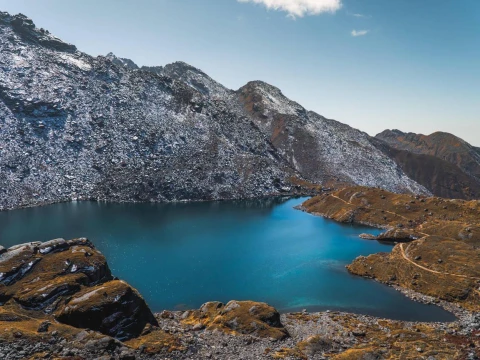
The Langtang, Gosaikunda & Helambu Trek is a spectacular journey through the northern Himalayan regions of Nepal, combining breathtaking landscapes, rich culture, and serene alpine lakes. This trek is ideal for travelers who want to explore less crowded trails yet witness classic Himalayan scenery. Beginning with a scenic drive from Kathmandu to Syabrubesi, trekkers pass through lush forests of pine, rhododendron, and oak, charming Tamang villages, and stunning mountain views, including Langtang Lirung.A highlight of this trek is the sacred Gosaikunda Lake, located at an altitude of 4,380m (14,370ft). Gosaikunda is revered in Hindu and Buddhist traditions, offering a spiritual and visually rewarding experience. After visiting Gosaikunda, the trail descends through pristine valleys and high passes like Laurebina Pass (4,700m/15,419ft), offering panoramic views of snow-capped peaks. The trek also includes the Helambu region, known for its warm Tamang hospitality, traditional villages, terraced fields, and rich culture. Completing this trek provides an unforgettable mix of adventure, spirituality, and natural beauty.Duration: 17 daysHighest point: Laurebina Pass (4,700m)Trek type: Moderate to challengingRegions: Langtang, Gosaikunda, HelambuBest Season for Langtang Gosaikunda and Helambu TrekThe best times to embark on this trek are during the spring (March to May) and autumn (September to November) seasons. In spring, rhododendron forests bloom spectacularly, adding vibrant colors to the landscape. The weather is stable, making trekking comfortable, with clear mountain vistas. Autumn offers crisp, clear skies after the monsoon, providing ideal conditions for photography and breathtaking views of the Himalayan peaks.Winter trekking is possible but challenging, with heavy snowfall at higher altitudes, especially near Gosaikunda and Laurebina Pass. The monsoon season (June to August) is generally avoided due to slippery trails, leeches, and clouded mountain views. Trekking during the optimal seasons ensures safety, better accommodation options, and an enjoyable cultural experience in the villages.Short Points:Spring: March–May (rhododendron blooms)Autumn: September–November (clear skies)Avoid: Monsoon (June–August)Winter: December–February (for experienced trekkers only)Langtang Gosaikunda and Helambu Trek Difficulty and TransportationThe trek is moderate to strenuous, requiring good physical fitness. Daily trekking ranges from 3 to 8 hours, with gradual ascents and descents. The trek’s highest point, Laurebina Pass (4,700m), may cause mild altitude sickness, so acclimatization days, such as at Kyangin Gompa, are essential. The trek includes both steep climbs and long descents, which challenge the knees and endurance.Transportation to the trailhead starts with a scenic drive from Kathmandu to Syabrubesi (1,500m), which takes about 7–8 hours. From there, trekking begins with experienced guides and porters provided by Mount Horizon Treks & Tours. The return journey includes a descent to Melamchi Bazaar and a drive back to Kathmandu, offering convenience and flexibility for travelers.Short Points:Trek difficulty: Moderate to StrenuousHighest altitude: 4,700m (Laurebina Pass)Daily trekking: 3–8 hoursTransportation: Kathmandu → Syabrubesi (drive), trek, return driveFood and Accommodation for Langtang Gosaikunda and Helambu TrekDuring the trek, accommodation is primarily in teahouses and lodges, offering basic yet comfortable facilities. These lodges are located in villages such as Lama Hotel, Langtang Village, and Thulo Syabru. At higher altitudes, amenities are more basic but sufficient for rest and acclimatization.Food on the trail includes local Nepali cuisine such as dal bhat (rice with lentil soup), momo (dumplings), noodles, soups, and fresh vegetables. Tea and coffee are available, helping trekkers stay warm in cold regions. Mount Horizon Treks & Tours ensures that trekkers enjoy hygienic meals and comfortable accommodation throughout the journey, even in remote areas.Short Points:Accommodation: Teahouses and lodgesFood: Nepali cuisine, soups, momo, dal bhatHot beverages available throughoutClean and hygienic options providedLangtang Gosaikunda and Helambu Trek PermitsTrekking in the Langtang and Helambu regions requires specific permits. These include:TIMS Card (Trekker’s Information Management System) – mandatory for all trekkers.Langtang National Park Entry Permit – required for trekking in the Langtang region.Gosaikunda Permit – necessary for visiting the sacred Gosaikunda Lake area.Mount Horizon Treks & Tours assists in securing all necessary permits in advance, ensuring smooth travel without administrative delays. Carrying the permits is essential, as park officials may check during trekking.Short Points:TIMS Card: Required for all trekkersLangtang National Park Permit: MandatoryGosaikunda Permit: Required for lake visitThe company assists in obtaining permitsWhy Choose Langtang Gosaikunda and Helambu TrekThis trek is ideal for travelers seeking a combination of adventure, culture, and natural beauty. The route provides:Stunning mountain panoramas, including Langtang Lirung and Laurebina PassSpiritual experience at Gosaikunda LakeImmersive exposure to the Tamang culture and traditional Himalayan villagesModerate trekking challenge suitable for most healthy travelersChoosing Mount Horizon Treks & Tours ensures a professional, safe, and well-organized experience. The company provides certified guides, porters, comfortable accommodations, and expert knowledge of local culture and terrain. Their focus on safety, acclimatization, and high-quality service makes this trek memorable and hassle-free.Short Points:Scenic mountains and alpine lakesCultural immersion in Tamang villagesProfessional guides and portersSafe and well-planned itinerary

 (2)
 100% recommend (0)

 (0)