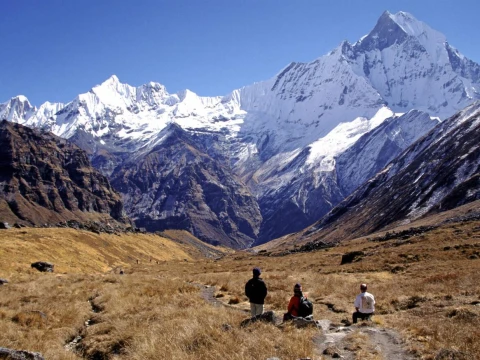
The Annapurna Base Camp Trek is one of the most popular trekking adventures in the Annapurna Region of Nepal. This journey takes trekkers through beautiful mountain landscapes, traditional Gurung villages, dense rhododendron forests, and spectacular Himalayan scenery. The trek usually begins after traveling from Kathmandu to Pokhara, followed by a drive to Nayapul, which is the starting point of the trekking trail. As trekkers gradually ascend through places like Ghandruk, Chomrong, and Deurali, they experience a mixture of natural beauty and rich Himalayan culture.Reaching the base camp at an altitude of about 4,130 meters offers an unforgettable panoramic view of the Annapurna mountain range, including peaks such as Annapurna I, Machapuchare, and Hiunchuli. Trekkers are surrounded by towering snow-covered peaks forming a natural amphitheater known as the Annapurna Sanctuary. Mount Horizon Treks & Tours organizes this trek with experienced guides, comfortable accommodation, and well-planned itineraries to ensure a safe and memorable journey.Scenic trek through forests, rivers, and mountain villagesStunning Himalayan views from Annapurna Base CampCultural interaction with the Gurung and Magar communitiesNatural hot springs at Jhinu DandaSunrise mountain views throughout the journeyBest Season for Annapurna Base Camp TrekThe best time to trek to Annapurna Base Camp is during the spring (March to May) and autumn (September to November) seasons. During spring, the trails are covered with blooming rhododendron flowers, making the forests colorful and vibrant. The weather is generally stable with clear skies, offering excellent views of the Annapurna mountain range. Temperatures are moderate, which makes trekking comfortable and enjoyable for both beginner and experienced trekkers.Autumn is another ideal season because it follows the monsoon period, leaving the air fresh and the mountain views crystal clear. Trekking conditions are perfect with dry trails and mild temperatures during the day. This season is also culturally rich, as major festivals like Dashain and Tihar take place in Nepal, giving trekkers a chance to experience local traditions.Best Season HighlightsSpring: colorful forests and pleasant temperaturesAutumn: clear skies and the best mountain viewsStable weather and safe trekking conditionsOpportunities to experience local festivalsAnnapurna Base Camp Trek Difficulty and TransportationThe Annapurna Base Camp Trek is considered a moderate trek, suitable for trekkers with average fitness levels. The trail involves daily walking of about 5–7 hours through stone steps, forest paths, and mountain trails. While the altitude reaches above 4,000 meters, the itinerary usually allows gradual acclimatization, reducing the risk of altitude sickness. With proper preparation and guidance from professional trekking staff from Mount Horizon Treks & Tours, most trekkers can complete the journey.Transportation for the trek usually begins with a scenic tourist bus drive from Kathmandu to Pokhara, which takes around 6–8 hours. From Pokhara, travelers drive to Nayapul, where the trekking adventure officially starts. After completing the trek, trekkers return to Pokhara and then travel back to Kathmandu by tourist bus or optional flight.Difficulty & TransportationModerate trekking level suitable for beginners with preparationDaily walking: about 5–7 hoursTourist bus travel between Kathmandu and PokharaShort drive from Pokhara to Nayapul to start the trekFood and Accommodation for Annapurna Base Camp TrekDuring the trek to Annapurna Base Camp, trekkers stay in traditional mountain teahouses. These teahouses provide simple but comfortable accommodation with twin-sharing rooms and warm hospitality. In lower villages like Ghandruk and Chomrong, lodges often have better facilities, including hot showers and Wi-Fi. At higher altitudes, facilities become more basic but still comfortable for trekkers.Food during the trek is nutritious and designed to provide enough energy for long walking days. The most popular dish is Dal Bhat, which includes rice, lentil soup, vegetables, and pickles. Other options include noodles, pasta, fried rice, pancakes, eggs, soups, and hot drinks like tea and coffee.Food & Accommodation HighlightsComfortable teahouse lodges along the trailLocal and international meal optionsEnergy-rich meals for trekkersWarm hospitality in mountain villagesAnnapurna Base Camp Trek PermitsTo trek in the Annapurna Conservation Area, trekkers must obtain specific permits required by the government of Nepal. The main permits include the Annapurna Conservation Area Permit (ACAP) and the Trekkers’ Information Management System (TIMS) Card. These permits help support conservation efforts and ensure the safety of trekkers in the region.Most trekking companies, including Mount Horizon Treks & Tours, arrange these permits for trekkers before the trip begins. Travelers simply need to provide passport copies and passport-size photographs. Having these permits ensures legal access to the trekking trails and helps authorities track trekking activities.Required PermitsAnnapurna Conservation Area Permit (ACAP)TIMS Card (Trekkers’ Information Management System)Passport copy and photos for processingUsually arranged by trekking agenciesWhy Choose Annapurna Base Camp TrekThe Annapurna Base Camp Trek is one of the most rewarding trekking experiences in the Himalayas. It combines breathtaking mountain views, cultural immersion, and diverse landscapes within a relatively short trekking duration. Unlike some longer Himalayan treks, ABC offers the chance to reach a high-altitude base camp while still being accessible for many trekkers.Choosing a professional company like Mount Horizon Treks & Tours ensures that the trek is safe, organized, and enjoyable. Their experienced guides, well-planned itineraries, and local knowledge help trekkers fully experience the beauty of the Annapurna region while focusing on safety and comfort.Reasons to Choose ABC TrekIncredible Himalayan sceneryModerate trekking difficultyRich cultural experiencesWell-developed trekking infrastructureProfessional support from experienced trekking companies
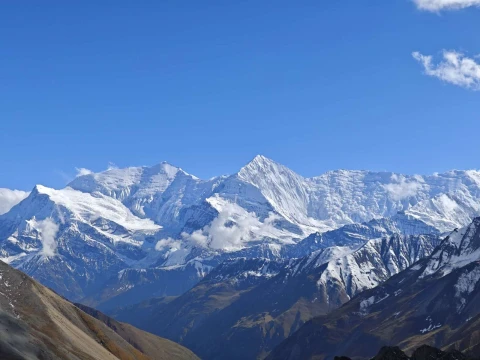
The Annapurna Circuit Trek is one of the most iconic trekking routes in Nepal, offering an unparalleled combination of cultural immersion, diverse landscapes, and breathtaking Himalayan views. Starting from the lush, subtropical valleys of the Marsyangdi River, trekkers gradually ascend to alpine terrain, high mountain passes, and remote villages inhabited by Gurung, Thakali, and Manangi communities. One of the highlights of this trek is crossing the Thorong La Pass (5,416m/17,769 ft), which is the highest point of the circuit and provides panoramic views of the Annapurna and Dhaulagiri ranges.The trek spans approximately 16–17 days and includes a mix of driving, trekking, and rest days, allowing trekkers to acclimatize properly and enjoy the natural beauty along the route. From the cultural richness of Kathmandu to the serene lakeside city of Pokhara, the circuit offers a journey through Nepal’s heartland, combining adventure with spiritual and cultural experiences.Crossing Thorong La Pass (5,416m/17,769 ft)Scenic views of Annapurna, Dhaulagiri, and MachapuchareCultural experiences in traditional Nepali villagesDiverse ecosystems: subtropical forests to high alpine landscapesBest Season for Annapurna Circuit TrekThe best time to trek the Annapurna Circuit is during the pre-monsoon (March to May) and post-monsoon (late September to November) seasons. During these months, the weather is relatively stable, the skies are clear, and mountain visibility is at its peak. Spring also brings vibrant rhododendron blooms along the trail, while autumn offers crisp air and perfect trekking conditions.Things to consider:Winter (December–February): Cold temperatures, especially at high passes; risk of snowMonsoon (June–August): Rainfall can make trails slippery and increase the risk of landslidesSpring/Autumn: Ideal for photography, trekking comfort, and overall experienceTip: Trekkers should plan acclimatization days carefully to reduce the risk of altitude sickness during these peak seasons.Annapurna Circuit Trek Difficulty and TransportationThe Annapurna Circuit is considered moderate to strenuous, depending on the trekker’s experience and fitness level. Daily trekking hours range from 3–10 hours, with steep ascents, high passes, and varied terrain. Trekkers should be prepared for long uphill and downhill sections, river crossings, and occasional rocky or uneven trails.Transportation is mainly by private vehicles for the initial and final segments:Drive from Kathmandu to Syange/Jagat: 8–10 hoursDrive from Muktinath to Tatopani: 6–8 hoursDrive from Pokhara to Kathmandu: 6 hoursImportant considerations:Proper trekking shoes and gear are essentialGradual acclimatization is critical for high-altitude trekkingPhysical fitness and prior trekking experience improve safety and enjoymentFood and Accommodation for Annapurna Circuit TrekThe Annapurna Circuit offers a wide variety of tea houses and lodges, ranging from basic to moderate comfort. Accommodation typically includes shared rooms with basic bedding. Some higher-end lodges in popular villages like Manang and Ghorepani provide private rooms, hot showers, and even Wi-Fi.Food along the route consists of traditional Nepali dishes such as:Dal Bhat (rice and lentils)Momos (dumplings)Thukpa (noodle soup)Continental options in popular trekking hubsTips for trekkers:Carry snacks and energy bars for long trekking daysHydration is critical at high altitudesPrices increase at higher elevations, especially beyond ManangAnnapurna Circuit Trek PermitsTrekking the Annapurna Circuit requires two primary permits:Annapurna Conservation Area Permit (ACAP) – mandatory for entry into the Annapurna regionTrekkers’ Information Management System (TIMS) Card – ensures trekkers are registered and safeThese permits help preserve the natural environment, support local communities, and ensure the safety of visitors. Mount Horizon Treks & Tours assists trekkers in obtaining these permits efficiently, avoiding any hassle during the journey.Why Choose Annapurna Circuit TrekThe Annapurna Circuit Trek is not just a journey through mountains; it’s an experience that combines adventure, culture, and natural beauty. Choosing this trek with Mount Horizon Treks & Tours guarantees:Expert guides familiar with local culture and high-altitude trekkingWell-organized logistics, including accommodation, transportation, and mealsPersonalized itineraries catering to different fitness levelsSafety-focused support, especially during high-altitude daysThe trek provides a rare opportunity to witness the diversity of Nepal’s geography, meet warm and welcoming local communities, and challenge yourself physically while enjoying unmatched Himalayan scenery. With the right preparation and guidance, the Annapurna Circuit is an adventure of a lifetime.
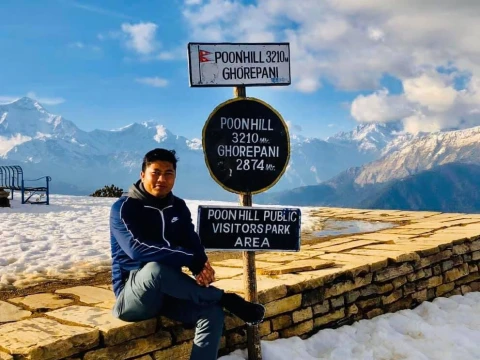
The Ghorepani Poon Hill Trek is one of the most popular short treks in Nepal, offering stunning views of the Annapurna and Dhaulagiri mountain ranges. Starting from Nayapul, trekkers pass through traditional villages like Tikhedhunga and Ulleri, experience terraced farmlands, and immerse themselves in the vibrant culture of the Gurung and Magar communities. The trek reaches its highlight at Poon Hill, a famous viewpoint at 3,210 meters, which provides panoramic sunrise views of the Himalayan peaks, making it a photographer’s paradise.The trek combines natural beauty, cultural experiences, and manageable trekking challenges, making it suitable for beginners and experienced trekkers alike. On the way, travelers explore lush rhododendron forests, cascading waterfalls, and charming stone-paved pathways, providing both adventure and relaxation. With Mount Horizon Treks & Tours, this journey is planned meticulously, offering comfortable accommodations, experienced guides, and local insights into the Himalayan lifestyle.Sunrise at Poon Hill with panoramic Himalayan viewsTraditional Gurung and Magar villages like Ghandruk and GhorepaniScenic rhododendron and oak forestsShort yet culturally enriching trekking experienceBest Season for Ghorepani Poon Hill TrekkingThe best time to visit Ghorepani Poon Hill is during the autumn (September to November) and spring (March to May) seasons. During autumn, the skies are usually clear, offering unobstructed views of Annapurna, Dhaulagiri, and Machapuchare peaks. Spring is equally spectacular as rhododendron forests bloom with bright red and pink flowers, creating a colorful landscape along the trekking route.Winter (December to February) is quieter and less crowded, though mornings and nights can be extremely cold. Monsoon (June to August) is generally avoided due to heavy rainfall, slippery trails, and reduced visibility. Choosing the right season enhances safety, scenic beauty, and overall trekking experience. With Mount Horizon Treks & Tours, travelers are advised to plan according to seasonal highlights to enjoy both adventure and comfort.Ghorepani Poon Hill Trekking Difficulty and TransportationThe trek is considered moderate in difficulty, making it ideal for beginners with basic fitness levels. Daily walking ranges from 4 to 6 hours, with gradual ascents and descents, including steep stone steps at Ulleri. The trek allows ample time for acclimatization, making altitude sickness less of a concern.Transportation to the trekking starting point is convenient. From Kathmandu, trekkers drive to Pokhara (approximately 6–7 hours) and then proceed to Nayapul, where the trek begins. The return journey follows the same route, ending back in Kathmandu. Mount Horizon Treks & Tours arranges private or shared vehicles, ensuring comfort, punctuality, and safety during transfers.Food and Accommodation for Ghorepani Poon Hill TrekkingAlong the route, trekkers stay in tea houses and lodges, which are simple yet comfortable, offering warm beds and basic amenities. The accommodations provide a cozy atmosphere after long trekking days, often complemented by local hospitality.Food during the trek includes a variety of Nepali and international dishes. Popular options are dal bhat (rice and lentils), noodles, momos (dumplings), and soups. Tea, coffee, and hot chocolate are widely available to keep trekkers energized. Mount Horizon Treks & Tours ensures that accommodations are hygienic, meals are nutritious, and dietary preferences are considered for all trekkers.Ghorepani Poon Hill Trekking PermitsTo trek in the Annapurna region, two permits are required:Annapurna Conservation Area Permit (ACAP)Trekkers’ Information Management System (TIMS) CardThese permits help regulate trekking in the region and contribute to conservation efforts. Mount Horizon Treks & Tours assists with the acquisition of all permits before the trek, ensuring a smooth and hassle-free experience for travelers.Why Choose Ghorepani Poon Hill TrekkingThe Ghorepani Poon Hill Trek is perfect for those who want a short, scenic trek with minimal logistical challenges. It combines Himalayan adventure, cultural immersion, and natural beauty, making it suitable for families, beginners, and photography enthusiasts. The trek is especially rewarding for witnessing sunrises over towering peaks and exploring the warm hospitality of mountain communities.Choosing Mount Horizon Treks & Tours adds extra value through professional guides, organized transportation, carefully selected lodges, and a personalized trekking experience. Their local expertise ensures safety, cultural insights, and memorable trekking adventures tailored to every traveler’s needs.
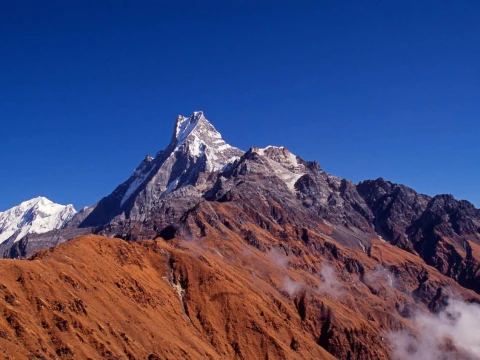
The Mardi Himal Trek, organized by Mount Horizon Treks & Tours, is a spectacular journey into the hidden corners of the Annapurna region. Unlike the more crowded Annapurna Base Camp, Mardi Himal offers a serene and less-trodden path that takes trekkers through lush forests, charming villages, and panoramic viewpoints. The trek provides breathtaking views of iconic peaks such as Machapuchare (Fishtail), Annapurna South, and Mardi Himal itself.The journey typically starts in Kathmandu, where trekkers get an overview of the trek, equipment checks, and final preparations. From Kathmandu, the road trip to Pokhara allows travelers to enjoy the scenic drive along rivers and hills. The trek gradually ascends through terraced fields, rhododendron forests, and alpine meadows. One of the highlights is the Mardi Himal Base Camp and High Camp, which offer some of the most mesmerizing sunrise and sunset views in the region. The trek combines moderate hiking, cultural experiences, and immersion in the natural beauty of the Himalayas.Duration: 8 DaysStarting Point: KathmanduHighest Point: Mardi Himal Base Camp (4,500m)Scenic Highlights: Machapuchare, Annapurna South, Forest CampBest Season for Mardi Himal TrekThe ideal trekking seasons for Mardi Himal are autumn (September to November) and spring (March to May). During these months, the skies are generally clear, offering unobstructed views of snow-capped peaks. Autumn provides stable weather and colorful landscapes, while spring showcases vibrant rhododendron blooms along the trail.Winter (December to February) can be extremely cold, especially at higher altitudes, and some parts may be covered in snow, making trekking more challenging. Summer (June to August) coincides with the monsoon season, which brings heavy rainfall, slippery trails, and limited visibility. Choosing the right season ensures a safe and comfortable trekking experience while maximizing scenic beauty.Autumn: Clear skies, moderate temperatures, ideal trekkingSpring: Blooming rhododendrons, scenic beautyWinter: Cold, occasional snow, fewer touristsMonsoon: Slippery trails, limited visibilityMardi Himal Trek Difficulty and TransportationThe Mardi Himal Trek is considered moderate in difficulty, suitable for trekkers with a basic level of fitness. The trek involves gradual ascents and descents, but there are some steep sections, particularly near High Camp. Acclimatization is crucial, especially for reaching the Mardi Himal Base Camp (4,500m), to avoid altitude sickness.Transportation starts with a drive from Kathmandu to Pokhara, which takes approximately 6–7 hours along scenic highways. The trailhead begins at Kande, from where trekkers hike to Forest Camp and continue to High Camp and Base Camp. The descent involves trekking back to Sidding and returning by road to Pokhara and then Kathmandu. The combination of road transport and trekking makes it convenient while offering flexibility for rest and exploration.Difficulty: ModerateHighest Altitude: 4,500m (Mardi Himal Base Camp)Road Travel: Kathmandu ↔ PokharaTrek Duration: 8 DaysFood and Accommodation for Mardi Himal TrekAlong the Mardi Himal route, accommodation is primarily tea houses and lodges, offering basic yet comfortable facilities. Rooms usually have a bed, blanket, and shared bathroom, with warmer options available at some stops. At higher altitudes, amenities become simpler, but the cozy lodges make up for the remote experience.Meals are typically Nepali-style, including dal bhat (lentils and rice), noodles, soups, and occasional continental options. The food is hearty and designed to fuel trekkers for long hiking days. It’s advisable to carry some snacks, energy bars, and water purification tablets, as options become limited at High Camp.Accommodation: Tea houses/lodgesFood: Dal Bhat, noodles, soups, snacksWater: Bottled or boiled water recommendedAmenities: Basic, comfortable, warm in high-altitude lodgesMardi Himal Trek PermitsTrekking in the Annapurna region requires two essential permits:Annapurna Conservation Area Permit (ACAP) – This ensures trekkers are contributing to the conservation of the region’s natural and cultural heritage.Trekkers’ Information Management System (TIMS) Card – Required for safety and trekking registration.Permits can be arranged in Kathmandu or Pokhara, and most trekking companies, including Mount Horizon Treks & Tours, handle these arrangements for their clients. Carrying these permits at all times is mandatory, as park authorities may check them along the trail.ACAP: Conservation area permitTIMS Card: Trekker registrationPermit Arrangements: Handled by the trekking companyWhy Choose Mardi Himal TrekMardi Himal Trek is ideal for trekkers seeking less crowded trails with majestic mountain vistas and serene landscapes. Unlike the Annapurna Base Camp trek, this route offers solitude and immersion in nature, making it perfect for photography enthusiasts, adventure seekers, and culture lovers.By booking with Mount Horizon Treks & Tours, trekkers benefit from experienced guides, local support, comfortable logistics, and safety measures. The company provides personalized itineraries, porters if needed, and ensures a smooth experience from Kathmandu to the return journey. The combination of natural beauty, cultural exposure, and professional guidance makes this trek a memorable adventure.Less crowded trailsStunning sunrise and sunset viewsProfessional guides and logistics supportCultural immersion and natural exploration

 (2)
 100% recommend (0)

 (0)