The Gokyo Lake Trek is one of Nepal’s most breathtaking Himalayan journeys, offering a quieter and more scenic alternative to the classic Everest Base Camp route. This trek leads you through the heart of the Khumbu region, showcasing pristine glacial lakes, dramatic mountain landscapes, and authentic Sherpa culture. Starting from Kathmandu, the journey includes a thrilling flight to Lukla, followed by gradual trekking through picturesque villages such as Phakding, Namche Bazaar, and Machhermo before reaching the stunning Gokyo Valley.
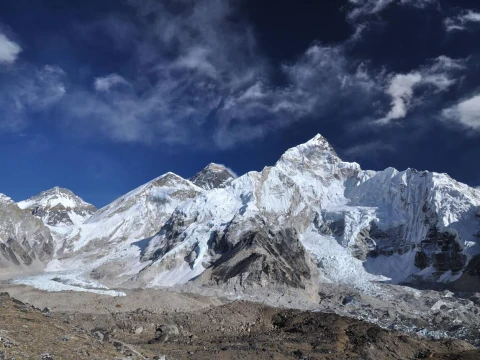
One of the trek’s highlights is the ascent to Gokyo Ri (5,357 m), which provides panoramic views of Everest, Lhotse, Makalu, and Cho Oyu. The turquoise Gokyo Lakes, considered sacred by both Hindus and Buddhists, add a spiritual dimension to the trek. With Mount Horizon Treks & Tours, trekkers benefit from expert guidance, safety-focused planning, and immersive cultural experiences.
The best time for the Gokyo Lake Trek is during the spring (March–May) and autumn (September–November) seasons. In spring, the trails come alive with blooming rhododendrons, mild temperatures, and clear mountain views. This season is ideal for nature lovers and photographers who want vibrant landscapes along with excellent visibility of the Himalayan peaks.
Autumn, on the other hand, is considered the most popular trekking season due to its stable weather and crystal-clear skies. The post-monsoon atmosphere offers stunning mountain panoramas and comfortable trekking conditions. Mount Horizon Treks & Tours recommends these seasons for a safe and enjoyable experience.
Seasonal notes:
The Gokyo Lake Trek is classified as a moderately challenging trek, suitable for trekkers with a good level of fitness. The journey involves daily walks of 5–7 hours on rugged terrain, with significant altitude gain. Proper acclimatisation days, like the one in Namche Bazaar, are essential to prevent altitude sickness and ensure a safe trekking experience.
Transportation begins with an exciting flight from Kathmandu to Lukla, often considered one of the most thrilling short flights in the world. From Lukla, the trek continues on foot through well-established trails. Mount Horizon Treks & Tours ensures proper logistics, experienced guides, and emergency support throughout the journey.
Difficulty factors:
During the trek, accommodation is provided in traditional teahouses, which offer basic yet comfortable lodging. Rooms typically include twin beds with shared bathrooms, while higher altitudes may have more limited facilities. Staying in these lodges allows trekkers to experience local hospitality and Sherpa culture firsthand.
Food options are diverse and designed to provide energy for trekking. Common meals include dal bhat (rice and lentils), noodles, soups, potatoes, and occasional international dishes. Mount Horizon Treks & Tours ensures hygienic meals and recommends sticking to nutritious, freshly prepared foods.
Common facilities:
To undertake the Gokyo Lake Trek, trekkers must obtain the necessary permits required for the Everest region. These permits help regulate tourism and contribute to conservation efforts in the area. The process is straightforward and can be arranged through trekking agencies like Mount Horizon Treks & Tours.
The main permits include the Sagarmatha National Park Entry Permit and the Khumbu Pasang Lhamu Rural Municipality Permit. These are checked at various points along the trail, ensuring compliance and safety.
Required permits:
The Gokyo Lake Trek stands out for its unique combination of natural beauty, cultural richness, and relatively peaceful trails. Unlike the crowded Everest Base Camp route, this trek offers serenity and equally stunning mountain views. The presence of glacial lakes, high-altitude passes, and panoramic viewpoints makes it a truly unforgettable experience.
Choosing Mount Horizon Treks & Tours ensures a professionally organised trek with experienced guides, personalised service, and a strong focus on safety. Whether you are a seasoned trekker or an adventurous traveller, this trek offers a perfect blend of challenge and reward.
Why choose this trek:
Day 1: Arrival in Kathmandu and Transfer to Hotel
Upon your arrival in Kathmandu, a representative from Mount Horizon Treks & Tours will warmly welcome you at the airport and assist with your transfer to the hotel. After check-in, you can relax and recover from your journey while enjoying the vibrant atmosphere of Nepal’s capital city. In the evening, you will attend a pre-trek briefing where your guide will explain the itinerary, safety measures, and essential preparations for the Gokyo Lake Trek. You may also explore nearby markets, sample authentic Nepali cuisine, and make any last-minute gear purchases before the adventure begins.
Early in the morning, you will take a scenic mountain flight from Kathmandu to Lukla, offering breathtaking aerial views of the Himalayas. After landing at Lukla, the trek begins with a gentle descent through picturesque villages and lush forests. Passing prayer flags, mani walls, and suspension bridges, you will follow the Dudh Koshi River toward Phakding. The trail is relatively easy, allowing you to adjust to the trekking pace. Upon arrival in Phakding, you will settle into a teahouse, enjoy a warm meal, and prepare for the journey ahead.
Today’s trek takes you deeper into the Khumbu region, crossing several suspension bridges, including the famous Hillary Bridge. You will enter Sagarmatha National Park, where your permits will be checked before continuing through pine forests and small Sherpa settlements. The trail becomes steeper as you approach Namche Bazaar, the gateway to Everest. If the weather is clear, you may catch your first glimpse of Mount Everest along the way. Upon reaching Namche, you will experience a vibrant mountain town filled with shops, bakeries, and stunning panoramic views.
Acclimatization is essential for a safe and enjoyable trek, so today is dedicated to adjusting to the altitude. You will take a short hike to higher elevations, such as the Everest View Hotel or nearby viewpoints, to help your body adapt. Along the way, you can enjoy spectacular views of Everest, Lhotse, and Ama Dablam. After the hike, you will return to Namche Bazaar for rest and relaxation. You may visit local museums, explore the market, or simply enjoy the lively atmosphere while preparing for higher altitudes in the coming days.
Leaving Namche, the trail gradually ascends with magnificent views of the surrounding peaks. You will traverse ridges and descend into rhododendron forests before climbing steadily toward Dole. The route offers a quieter alternative to the main Everest Base Camp trail, providing a more serene trekking experience. Along the way, you may encounter Himalayan wildlife and traditional yak caravans transporting goods. As you gain altitude, the landscape becomes more rugged and open. Upon reaching Dole, you will rest in a teahouse and enjoy the peaceful mountain environment.
Today’s trek continues through alpine terrain with increasingly dramatic mountain scenery. The trail climbs gradually above the tree line, offering expansive views of Cho Oyu and other peaks. You will pass small settlements and yak pastures while following the valley upward. Machhermo is known for its rich local legends, including stories of the Yeti. After arriving, you can visit the Himalayan Rescue Association aid post to learn about altitude sickness and safety. The evening is spent resting, hydrating, and preparing for the higher elevations ahead.
This is one of the most exciting days of the trek as you approach the stunning Gokyo Lakes. The trail leads you past the first and second lakes before reaching the beautiful turquoise waters of Gokyo. After lunch and a short rest, you will hike up Gokyo Ri for breathtaking panoramic views of Everest, Cho Oyu, Makalu, and the Ngozumpa Glacier. The climb is challenging but incredibly rewarding. After enjoying the sunset from the summit, you will descend back to Gokyo village for an overnight stay.
In the morning, you will hike to the fourth Gokyo Lake, which offers a more remote and peaceful setting with incredible views of the surrounding peaks and glaciers. After taking in the scenery and capturing photographs, you will retrace your steps back toward Machhermo. The descent allows you to enjoy the landscape from a different perspective, with more oxygen making the walk easier. Upon reaching Machhermo, you will relax and reflect on the unforgettable experiences around the Gokyo region.
Today involves a longer descent back toward Namche Bazaar. The trail takes you through familiar landscapes, including alpine meadows, forests, and small villages. As you descend, breathing becomes easier and the temperature gradually increases. You will have time to appreciate the beauty of the Khumbu region once more while passing through Dole and other settlements. Upon arrival in Namche Bazaar, you can enjoy the comforts of the town, including bakeries, cafes, and a lively atmosphere after several days in more remote areas.
The trek continues with a descent back to Lukla, following the Dudh Koshi River and crossing suspension bridges along the way. You will pass through villages such as Monjo and Phakding, revisiting familiar trails. Although mostly downhill, the trek still includes some uphill sections, making it a moderately challenging day. Upon reaching Lukla, you will celebrate the completion of your trek with your guide and fellow trekkers. This final evening in the mountains is a perfect time to reflect on your journey.
After an early breakfast, you will board a flight back to Kathmandu. The short but scenic journey offers one last chance to admire the Himalayan peaks from above. Upon arrival, you will be transferred to your hotel, where you can relax and enjoy the comforts of the city. The rest of the day is free for shopping, sightseeing, or simply unwinding after your trek. In the evening, Mount Horizon Treks & Tours may host a farewell dinner to celebrate your successful adventure.
On your final day, you will be transferred to the airport for your departure. Depending on your flight schedule, you may have time for a short walk around Kathmandu or some last-minute shopping for souvenirs. The team from Mount Horizon Treks & Tours will ensure a smooth transfer and bid you farewell. As you leave Nepal, you will carry unforgettable memories of the Gokyo Lake Trek, including stunning Himalaya landscapes, rich cultural experiences, and a sense of personal achievement.
Your Start Date is the day you land in Nepal, and your End Date is when you fly home.
If the set Gokyo Lake Trek group dates don’t suit your schedule, we can offer alternative dates upon request.
Proper layering is important to stay warm and comfortable in changing mountain weather.
Good footwear makes trekking easier and safer.
The right gear keeps you safe, comfortable, and prepared.
Lightweight but important items keep you clean, healthy, and comfortable.
Keep important items safe and easy to reach.
The Gokyo Lake Trek is considered a moderate to strenuous trek due to high altitudes and steep ascents, especially when climbing Gokyo Ri (5,357 m). Mount Horizon Treks & Tours emphasizes gradual acclimatization to minimize altitude sickness risks. Trekkers should have a reasonable fitness level and stamina for walking 5–7 hours daily on uneven trails. While technical climbing skills are not required, the trek demands mental preparation, proper gear, and a willingness to endure changing weather conditions at high elevations.
Prior trekking experience is not mandatory for the Gokyo Lake Trek, but having some experience with long hikes or high-altitude walks is beneficial. Mount Horizon Treks & Tours guides recommend that beginners engage in short hikes, cardio workouts, or stair climbing to build endurance before departure. Our professional guides provide support throughout the trek, ensuring safety, pace adjustment, and guidance on altitude acclimatization. Even first-time trekkers can enjoy the journey with proper preparation and adherence to safety instructions.
Altitude sickness is a real concern on the Gokyo Lake Trek due to elevations exceeding 5,000 meters. Symptoms can include headaches, nausea, dizziness, and fatigue. Mount Horizon Treks & Tours emphasizes a gradual ascent, proper hydration, and acclimatization days to mitigate these risks. Guides carry emergency oxygen and are trained in recognizing severe symptoms. Trekkers should communicate any discomfort promptly and avoid ascending too quickly. Following safety guidelines is essential to enjoy the trek without health complications.
Mobile network coverage is limited along the Gokyo Lake Trek. Basic connections may be available in larger villages like Namche Bazaar and Lukla, but remote areas and higher elevations have weak or no signal. Mount Horizon Treks & Tours suggests using this opportunity to disconnect from technology and fully enjoy the natural surroundings. Some teahouses provide Wi-Fi for a small fee, but it is generally unreliable. Trekkers should prepare for limited connectivity and use offline maps and GPS devices for navigation and communication with guides.
Mount Horizon Treks & Tours recommends trekking to Gokyo Lakes during the pre-monsoon (March to May) and post-monsoon (late September to November) seasons. During these periods, the weather is generally clear, offering spectacular views of the Himalayas and turquoise lakes. Spring brings blooming rhododendrons and vibrant flora, while autumn provides crisp air and panoramic visibility. Winter treks are possible but challenging due to heavy snow, colder temperatures, and limited teahouse availability along the trail.
Along the Gokyo Lake trail, accommodation is primarily in teahouses, which are basic lodges offering simple rooms, bedding, and meals. Mount Horizon Treks & Tours ensures that trekkers stay in clean, well-maintained teahouses with warm hospitality. Facilities such as attached bathrooms are limited at higher altitudes, so trekkers should expect shared toilets and limited hot water. While not luxurious, teahouses provide comfortable rest, opportunities to meet fellow trekkers, and authentic Sherpa meals, making them ideal for cultural immersion.
Meals during the trek consist of local and international options, including Dal Bhat (rice and lentil soup), noodles, soups, momos, and simple Western dishes. Mount Horizon Treks & Tours works with teahouses to provide nutritious meals that maintain energy levels at high altitudes. Breakfast, lunch, and dinner are typically included in the package, along with tea or coffee. Trekkers are encouraged to stay hydrated, and snacks like energy bars, chocolates, or nuts can be carried to supplement meals during long hiking stretches.
Preparation is key for a successful Gokyo Lake Trek. Mount Horizon Treks & Tours advises engaging in cardiovascular exercises, strength training, and long-distance walking prior to departure. Mental preparation is equally important, as trekkers may face cold weather, altitude challenges, and steep trails. Familiarizing oneself with the route, understanding altitude sickness symptoms, and having a flexible mindset will help you adapt. Adequate rest before the trek and listening to your guide during acclimatization hikes are crucial for both safety and enjoyment.
Trekkers should pack layered clothing suitable for cold mornings, sunny afternoons, and sub-zero nights. Essential items include thermal base layers, insulated jackets, trekking boots, gloves, hats, and rainproof gear. Mount Horizon Treks & Tours provides a detailed packing list to ensure comfort and safety. Sunglasses, sunscreen, trekking poles, and a water bottle with purification options are also recommended. Proper gear helps protect against unpredictable mountain weather and ensures a safer and more enjoyable trekking experience.
While it is possible to trek independently, Mount Horizon Treks & Tours strongly recommends hiring an experienced guide and optional porter. Guides provide route navigation, acclimatization advice, and cultural insights, ensuring a safe and enriching experience. Porters can carry luggage, reducing physical strain and allowing trekkers to focus on hiking and enjoying the scenery. Using a guide and porter also supports the local economy and ensures that trekkers are prepared for sudden weather changes or emergencies at high altitudes.
| No of people | Price per person |
|---|---|
| 1 - 1 | $1,565 |
| 2 - 4 | $1,445 |
| 5 - 9 | $1,430 |
| 10 - 15 | $1,415 |
| 16 - 20 | $1,400 |

 (2)
 100% recommend (0)

 (0)