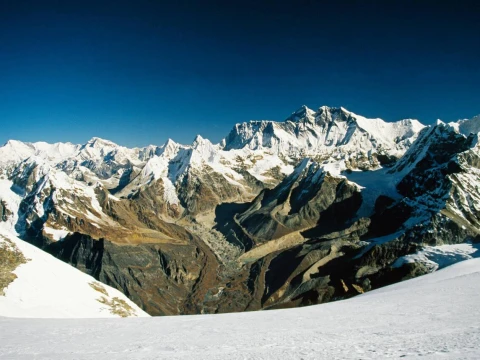
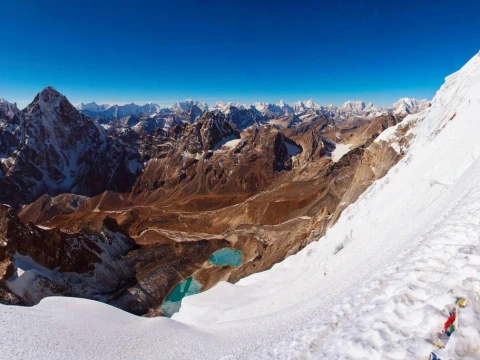
Mera Peak, standing at 6,461 meters (21,199 ft), is one of the highest trekking peaks in Nepal and offers a spectacular mix of trekking and mountaineering adventure. Unlike other peaks requiring extensive technical climbing, Mera Peak is suitable for climbers with moderate mountaineering experience, making it ideal for both adventurous trekkers and aspiring high-altitude climbers. The trek combines cultural exploration with high-altitude wilderness, taking you through traditional Sherpa villages, dense rhododendron forests, glacial moraines, and panoramic Himalayan views.The journey begins in Kathmandu, where climbers meet their guides from Mount Horizon Treks & Tours for pre-trek orientation. From there, a scenic flight to Lukla marks the beginning of the trek, winding through villages like Paiya, Panggom, and Ningsow, before reaching the challenging high-altitude camps at Kothe, Thaknak, and Khare. At Khare, climbers acclimatize and undergo pre-climb training before ascending to the Mera High Camp and ultimately summiting Mera Peak. The expedition is thoughtfully paced to minimize altitude sickness risk while maximizing the Himalayan experience.Summit Mera Peak (6,461m / 21,199 ft)Trek through the Everest region villages and highland pasturesViews of Everest, Makalu, Cho Oyu, and other Himalayan giantsCultural encounters with Sherpa communitiesBest Season for Mera Peak ClimbingThe ideal times to climb Mera Peak are spring (March–May) and autumn (September–November). During these months, the weather is relatively stable, with clear skies and moderate temperatures at higher elevations. Spring offers blossoming rhododendrons and vibrant landscapes along the trekking route, while autumn provides the clearest views of the surrounding Himalayan peaks.Winter (December–February) presents a much colder and harsher environment, with heavy snow, limited accessibility, and a higher risk of altitude-related complications. Summer (June–August) brings the monsoon, making trails slippery and dangerous and reducing visibility due to cloud cover. For those seeking both adventure and safety, spring and autumn are highly recommended for optimal trekking and climbing conditions.Highlights:Spring: March–May, blooming rhododendrons, mild temperaturesAutumn: September–November, stable weather, crystal-clear Himalayan viewsAvoid monsoon (June–August) and harsh winter (Dec–Feb)Mera Peak Climbing Difficulty and TransportationMera Peak is considered a moderate trekking peak, suitable for climbers with basic mountaineering experience. The trek includes long days of walking over rocky paths, river crossings, glacial moraines, and steep ascents toward high camps. Climbers should be comfortable with high-altitude conditions, and Mount Horizon Treks & Tours ensures a structured acclimatization schedule to minimize altitude sickness. The summit climb involves using fixed ropes, ice axes, and crampons, which are explained during pre-climb training at Khare.Transportation begins with a flight from Kathmandu to Lukla, one of the world’s most scenic but challenging airstrips. From Lukla, trekking is the main mode of transport, covering distances of 4–8 hours daily depending on terrain. For the return, the same route is used, descending via Zatrwa La Pass and back to Lukla for the flight to Kathmandu.Highlights:Moderate difficulty trekking peakHigh-altitude acclimatization essentialTechnical summit climb with basic mountaineering toolsTransportation: Kathmandu → Lukla (flight) → trekking route → returnFood and Accommodation for Mera Peak ClimbingThroughout the trek, climbers will experience tea houses and lodges in lower regions and camping at high-altitude camps. In villages such as Paiya, Panggom, and Kothe, comfortable lodges offer warm meals, hot showers (depending on availability), and local hospitality. At Khare and Mera High Camp, basic tents and communal kitchens provide necessary shelter and nourishment for climbers preparing for summit day.Meals focus on high-energy, carbohydrate-rich options, including dal bhat (rice and lentils), noodles, soups, pasta, and local delicacies. Mount Horizon Treks & Tours ensures proper food and water management, including boiled or filtered water, to maintain climbers’ strength and hydration at high altitudes.Highlights:Tea houses in the lower regionsTent accommodation at Khare and Mera High CampHigh-calorie meals suitable for high-altitude trekkingHot beverages and hydration managementMera Peak Climbing PermitsClimbers require several permits to access Mera Peak. These include the TIMS card (Trekkers’ Information Management System), the Sagarmatha National Park entry permit, and the Mera Peak climbing permit, all managed by the Nepal government. Mount Horizon Treks & Tours handles all permit arrangements, ensuring a hassle-free experience. Permit costs vary depending on nationality and climbing season, but are essential for legal trekking and climbing.Highlights:TIMS card for trekkingSagarmatha National Park entry permitMera Peak climbing permitPermit arrangements managed by Mount Horizon Treks & ToursWhy Choose Mera Peak ClimbingMera Peak is an ideal destination for those seeking high-altitude adventure without extreme technical climbing. It provides a mix of trekking, culture, and mountaineering, allowing climbers to experience Himalayan grandeur with proper guidance. Choosing Mount Horizon Treks & Tours guarantees professional guides, experienced Sherpa support, proper acclimatization, and logistical arrangements from Kathmandu to the summit and back.With safety as a priority, structured itineraries, and personalized support, Mera Peak climbing is accessible yet rewarding. The combination of stunning landscapes, summit achievement, and cultural immersion makes it a once-in-a-lifetime Himalayan adventure.Highlights:Professional guiding and support by Mount Horizon Treks & ToursSafe, structured acclimatization planAccess to remote Himalayan villages and pristine landscapesRewarding summit experience at 6,461m
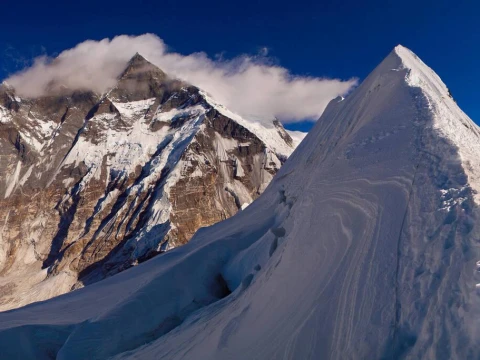
Island Peak, also known as Imja Tse, is one of the most popular trekking peaks in the Nepalese Himalayas. Standing at 6,189 meters (20,305 ft), it offers climbers an exciting blend of trekking and technical mountaineering. The climb is a perfect introduction to high-altitude mountaineering for those who want a challenging yet achievable Himalayan experience. Unlike Everest, Island Peak allows climbers to enjoy panoramic views of the majestic peaks, including Mount Everest, Lhotse, Ama Dablam, and Makalu, without the extreme logistical demands of higher summits.The expedition usually starts with a scenic flight from Kathmandu to Lukla, followed by a trek through Sherpa villages, dense forests, and high-altitude landscapes. Mount Horizon Treks & Tours ensures a well-structured itinerary with gradual acclimatization days in Namche Bazaar and Dingboche to help climbers adapt to the altitude. Along the route, climbers also experience Sherpa culture, Buddhist monasteries, and spectacular Himalayan vistas, making it a culturally enriching journey as well as a physical challenge.Elevation: 6,189 m / 20,305 ftBase: Nepal’s Khumbu regionDuration: 18 days, including acclimatizationCultural exposure: Sherpa villages, monasteries, and Himalayan landscapesSuitable for climbers with moderate mountaineering experienceBest Season for Island Peak ClimbingThe best time to climb Island Peak is during pre-monsoon (spring) from March to May and post-monsoon (autumn) from late September to November. During these periods, the weather is relatively stable, with clear skies offering unobstructed views of the Himalayan peaks. Spring brings blooming rhododendrons in the lower valleys, while autumn offers crisp air and spectacular sunsets over the mountains.Winter (December to February) can be extremely cold and challenging due to heavy snowfall and sub-zero temperatures, whereas the monsoon season (June to early September) brings slippery trails, leeches, and reduced visibility, making climbing unsafe. Mount Horizon Treks & Tours customizes itineraries to ensure maximum safety and optimal climbing conditions by selecting the best windows for ascent.Key points about the climbing season:Spring (March–May) – stable weather, blooming landscapesAutumn (September–November) – clear skies, optimal viewsAvoid monsoon (June–early September) – slippery trails, poor visibilityWinter (December–February) – extreme cold, high avalanche riskIsland Peak Climbing Difficulty and TransportationIsland Peak is categorized as a moderate trekking peak but involves technical sections requiring ice axe and crampon skills. The summit climb has steep snow slopes and fixed ropes, making it suitable for climbers with prior trekking experience or basic mountaineering knowledge. Acclimatization days at Namche Bazaar and Dingboche are crucial for preventing altitude sickness and ensuring a safe ascent.Transportation begins with a flight from Kathmandu to Lukla, known for its thrilling runway amidst mountains. From Lukla, trekkers follow trails passing Phakding, Namche Bazaar, Tengboche, Dingboche, Lobuche, and Chhukung before reaching Island Peak Base Camp. Trekkers experience diverse terrain, including rhododendron forests, glacial moraines, and high-altitude valleys. Mount Horizon Treks & Tours provides experienced guides and support staff for safe and smooth transportation along the route.Transportation and difficulty at a glance:Lukla flight: scenic, thrilling, requires clear weatherTrekking: 12–16 days to reach the base camp graduallySummit climb: steep snow slopes, rope sections, crampons requiredDifficulty: Moderate to challenging; suitable for fit trekkers with basic mountaineering skillsFood and Accommodation for Island Peak ClimbingAlong the trek, accommodations are primarily tea houses and lodges, which offer simple but comfortable facilities. In the lower elevations like Namche Bazaar, lodges may have private rooms and heated areas, while higher up, dormitory-style arrangements are common. Cleanliness and facilities improve with altitude, though amenities naturally decrease as you approach base camp.Food on the trail is varied, including local Nepali dishes such as dal bhat, momo, and thukpa, along with Western options like pasta, noodles, and soups. At high-altitude camps and base camps, climbers rely on energy-rich meals such as porridge, biscuits, chocolate, and soups. Mount Horizon Treks & Tours ensures high-quality meals, hot beverages, and proper hydration to maintain energy levels during long days of trekking and climbing.Summary of food and accommodation:Tea house lodges in villages; basic tents at higher campsWarm, hearty meals: Nepali and Western optionsGradual decrease in facilities as altitude increasesFocus on hygiene, hydration, and energy-rich nutritionIsland Peak Climbing PermitsClimbing Island Peak requires several permits from the Nepalese government. Trekkers need:Trekking Permit – TIMS (Trekkers’ Information Management System) cardSagarmatha National Park Permit – for the Khumbu regionIsland Peak Climbing Permit – issued by the Department of TourismThese permits ensure safety, environmental protection, and legal compliance during the expedition. Mount Horizon Treks & Tours assists climbers with all necessary paperwork, so travelers can focus on the experience rather than administrative tasks. Carrying proper documentation is essential for entry to national parks, base camps, and climbing routes.Permit highlights:TIMS card for trekkingSagarmatha National Park entry permitIsland Peak climbing permit from the governmentGuided support ensures hassle-free acquisitionWhy Choose Island Peak ClimbingIsland Peak offers a perfect blend of adventure, challenge, and cultural experience. It is ideal for those looking to experience high-altitude climbing without attempting the extreme technical challenges of higher peaks. Climbers enjoy stunning views, a sense of accomplishment, and exposure to Sherpa culture along the way.Choosing Mount Horizon Treks & Tours ensures:Expert guidance from certified mountain guidesSafety protocols and acclimatization strategiesWell-planned itinerary balancing trekking, climbing, and restSupport for permits, transport, and logisticsMemorable cultural interactions and local experiencesIsland Peak is not just a climb; it’s a journey that combines the thrill of mountaineering with the beauty of the Himalayas, making it a lifetime adventure for any trekking enthusiast.
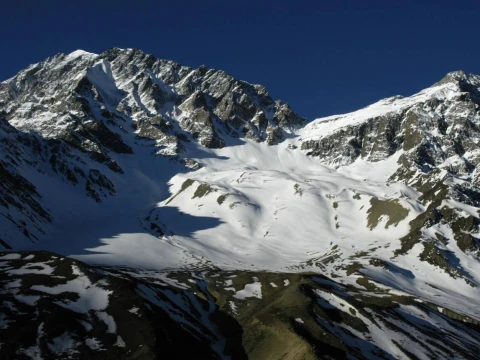
Pisang Peak is a majestic trekking peak located in the Annapurna region of Nepal, rising to 6,091 meters (19,985 ft). It is renowned for offering climbers breathtaking panoramic views of the Annapurna and Manaslu ranges. The climb is a perfect combination of trekking and mountaineering, allowing adventurers to experience high-altitude landscapes without requiring extensive technical climbing experience. The ascent of Pisang Peak is a popular choice for climbers seeking to venture into high-altitude mountaineering while enjoying well-established trails and villages along the way.This trek begins with a drive from Kathmandu to Jagat, followed by trekking through the beautiful Manang Valley, passing through lush forests, terraced fields, and highland settlements. Trekkers get to experience a gradual acclimatisation process, with stops at Chame, Upper Pisang, and Manang, which helps reduce the risk of altitude sickness. The final stages of the trek involve navigating glacier trails and ice slopes to reach the summit of Pisang Peak.Summit Pisang Peak at 6,091 meters.Spectacular views of Annapurna II, Annapurna III, Gangapurna, and Pisang Peak itself.Immersive experience in traditional Gurung and Tibetan-influenced villages.A combination of trekking and technical mountaineering.Best Season for Pisang Peak ClimbingThe best times to climb Pisang Peak are spring (March to May) and autumn (September to November). During these periods, the weather is generally stable, the skies are clear, and the mountain views are at their most spectacular. Spring offers vibrant rhododendron forests and blooming alpine flowers along the trail, while autumn presents dry trails and crisp, panoramic views of the surrounding peaks.Winter climbs (December to February) are possible but less recommended due to extremely cold temperatures and heavy snow in higher elevations, which increases avalanche risks. The monsoon season (June to August) is not ideal because the trails become slippery, and heavy rainfall can trigger landslides, making trekking dangerous. By choosing spring or autumn, climbers also benefit from milder temperatures during summit attempts, making it safer and more enjoyable.Best Season Key Points:Spring (March-May): Blooming rhododendrons, moderate temperatures.Autumn (September-November): Clear skies, stable weather, best visibility.Avoid the monsoon and peak winter months.Pisang Peak Climbing Difficulty and TransportationPisang Peak is considered a moderate trekking peak. While the lower and mid-sections involve regular trekking paths, the final ascent includes snow and ice slopes, which require basic technical climbing skills such as using crampons, ice axes, and rope techniques. The climb is suitable for adventurous trekkers with prior trekking experience and a good fitness level. Proper acclimatisation is essential to minimise altitude sickness risks, which is why the itinerary includes acclimatisation days at Upper Pisang and Manang.Transportation starts with a drive from Kathmandu to Jagat, which takes around 7-8 hours. From Jagat, trekking begins and continues through the Manang Valley, passing settlements like Dharapani, Chame, and Pisang. After the climb, the route descends through Thorong La Pass to Jomsom, from where a scenic flight to Pokhara and a drive back to Kathmandu completes the journey.Difficulty & Transportation Points:Moderate climbing with a technical summit section.Requires good physical fitness and proper acclimatisation.Transport: Kathmandu → Jagat by vehicle, Jomsom → Pokhara flight.Glacier trekking and ice slope navigation at high altitude.Food and Accommodation for Pisang Peak ClimbingAlong the trek, accommodation is mainly provided in teahouses and lodges in villages like Chame, Upper Pisang, and Manang. These lodges are simple but comfortable, offering clean rooms and warm bedding. At higher altitudes, facilities become more basic, especially near Pisang Peak Base Camp and High Camp, where climbers stay in tents provided by the trekking company.Food during the trek is a mix of local Nepali dishes such as dal bhat (lentil soup with rice), momo (dumplings), noodles, and porridge. At higher camps, meals may include high-energy options such as pasta, soups, and dehydrated foods suitable for climbers. Hydration is critical at high altitudes, and boiled or bottled water is recommended. Mount Horizon Treks & Tours ensures all meals are nutritious and appropriate for energy needs, with hot meals provided at lodges and camps.Food & Accommodation Points:Comfortable teahouses in villages.Tented accommodations near Base Camp and High Camp.Balanced meals with local Nepali cuisine and high-energy options.Hot beverages and hydration support at all stages.Pisang Peak Climbing PermitsClimbers are required to secure several permits before beginning the Pisang Peak climb. The main permits include the Annapurna Conservation Area Permit (ACAP) and the Trekking Peak Permit issued by the Nepal Mountaineering Association. These permits help regulate trekking activities, ensure environmental conservation, and provide access to emergency services if needed.Mount Horizon Treks & Tours assists clients in obtaining all necessary permits, ensuring a smooth and hassle-free process. The permits are usually verified at checkpoints along the trail, and climbers must carry them throughout the trek. Additionally, climbers need to provide passports, passport-sized photos, and proof of travel insurance for high-altitude trekking and mountaineering.Permit Highlights:Annapurna Conservation Area Permit (ACAP).Pisang Peak Trekking Peak Permit (NMA).Assistance provided by the trekking company.Essential for legal and safe access to the mountain.Why Choose Pisang Peak Climbing with Mount Horizon Treks & ToursChoosing Mount Horizon Treks & Tours for Pisang Peak ensures a professionally guided, safe, and well-organised adventure. The company has extensive experience in high-altitude mountaineering and offers personalised itineraries that balance trekking, acclimatisation, and climbing. Experienced guides, porters, and Sherpa support make the climb manageable even for first-time climbers at this altitude.Additionally, Mount Horizon Treks & Tours emphasises safety, comfort, and cultural immersion. They provide high-quality equipment, carefully planned food and lodging, and experienced mountaineering guides. The company also focuses on responsible tourism, ensuring minimal environmental impact and supporting local communities along the trail. Whether you are seeking adventure, stunning Himalayan scenery, or cultural experiences, Pisang Peak climbing with Mount Horizon Treks & Tours is a journey that combines challenge with safety and comfort.Why Choose Points:Expert guides and support staff.Structured acclimatisation and safety measures.Quality accommodation and high-energy meals.Immersive experience in Himalayan culture and landscapes.
Lobuche Peak, standing at 6,119 meters (20,075 ft), is one of the most popular trekking peaks in the Everest region of Nepal. Located near the iconic Khumbu Glacier, it offers climbers breathtaking views of Mount Everest, Lhotse, Nuptse, and Ama Dablam. Unlike Everest, Lobuche Peak is considered a trekking peak, making it accessible to climbers with moderate mountaineering experience. The climb combines trekking with basic technical mountaineering, including the use of crampons and ice axes.Mount Horizon Treks & Tours organizes Lobuche Peak expeditions with a structured itinerary, allowing climbers to gradually acclimatize and enjoy the natural beauty of the Khumbu region. The journey typically begins with a flight to Lukla, followed by a trek through Namche Bazaar, Tengboche, Dingboche, and Lobuche Base Camp before attempting the summit. Along the way, climbers experience Sherpa culture, Buddhist monasteries, and spectacular Himalayan landscapes.Summit height: 6,119 m (20,075 ft)Stunning views of Everest and the surrounding peaksModerate technical climbing is suitable for beginners with guidanceOpportunity to explore Sherpa cultureBest Season for Lobuche Peak ClimbingThe optimal climbing windows for Lobuche Peak are pre-monsoon (March to May) and post-monsoon (late September to November). During these periods, the weather is relatively stable, offering clear skies and excellent visibility of the Himalayan peaks. The pre-monsoon season is slightly warmer, while the post-monsoon brings crisp, dry conditions ideal for photography.Winter climbs (December to February) are challenging due to extreme cold and heavy snow, making them suitable only for experienced climbers. The monsoon season (June to early September) is generally avoided due to heavy rainfall, landslides, and obstructed views. Planning your climb in the recommended seasons ensures safer trekking conditions and the best opportunity to reach the summit.Seasonal Advantages:Clear views of Everest and surrounding peaksSafer trekking and climbing conditionsIdeal weather for photography and high-altitude hikingLobuche Peak Climbing Difficulty and TransportationLobuche Peak is categorized as a moderate trekking peak, requiring basic mountaineering skills such as using crampons, ice axes, and fixed ropes. Climbers should be in good physical condition, as summit day involves a long, steep climb with exposure to altitude. The approach trek is also moderately strenuous, requiring endurance for 5–7 hours of daily hiking at high altitudes.Transportation begins with a short scenic flight from Kathmandu to Lukla, followed by trekking through the Everest region. The trek passes through villages like Phakding, Namche Bazaar, Tengboche, and Dingboche, allowing climbers to acclimatize before ascending Lobuche. Helicopter evacuation services are available for emergencies, though most climbers rely on the support of Mount Horizon Treks & Tours guides and Sherpa teams.Key Points:Moderate difficulty, suitable for beginners with guidanceRequires high-altitude trekking experienceTrekking involves 5–7 hours daily on mixed terrainShort domestic flight from Kathmandu to LuklaFood and Accommodation for Lobuche Peak ClimbingAccommodation during the Lobuche Peak expedition mainly consists of tea houses and mountain lodges. These provide basic but comfortable amenities such as warm beds, blankets, and shared bathrooms. Mount Horizon Treks & Tours carefully selects lodges that maintain hygiene and offer cozy resting spots for climbers.Meals are generally Nepali and Western-style, including dal bhat (rice and lentils), pasta, noodles, soups, and energy-rich snacks. During summit attempts, high-calorie, packed meals are provided to maintain energy levels. Mount Horizon Treks & Tours ensures climbers have access to safe drinking water through filtration and bottled sources along the trekking route.Highlights:Comfortable tea houses and lodges at each stopNutritious Nepali and Western mealsHigh-calorie meals for summit dayAvailability of safe drinking waterLobuche Peak Climbing PermitsClimbers require a trekking peak permit issued by the Nepal Mountaineering Association (NMA) to ascend Lobuche Peak. Additionally, entry permits to the Sagarmatha National Park and the Khumbu region are mandatory. Mount Horizon Treks & Tours handles all permit arrangements, ensuring a smooth and hassle-free experience for clients.Required Permits:Lobuche Peak climbing permit (NMA)Sagarmatha National Park entry permitKhumbu region trekking permitFees and paperwork handled by Mount Horizon Treks & ToursWhy Choose Lobuche Peak Climbing with Mount Horizon Treks & ToursChoosing Mount Horizon Treks & Tours for Lobuche Peak offers expert guidance, safety, and seamless logistics. Their professional guides and experienced Sherpa team ensure climbers receive proper acclimatization schedules, technical instruction, and support throughout the expedition. Safety protocols, including oxygen and medical kits, are strictly followed.Beyond logistics, the company provides a personalized trekking experience, introducing climbers to local culture, monasteries, and the Himalayan lifestyle. With attention to detail—from transportation and accommodation to food and equipment—Mount Horizon Treks & Tours makes Lobuche Peak climbing a memorable adventure for both beginners and experienced mountaineers.Why Choose Us:Expert Sherpa-guided climbsFull logistics and permit handlingEmphasis on safety and acclimatizationImmersive cultural and scenic experience

Feel free to inquire, and together, we'll design the perfect journey to suit your preferences and desires.

 (2)
 100% recommend (0)

 (0)