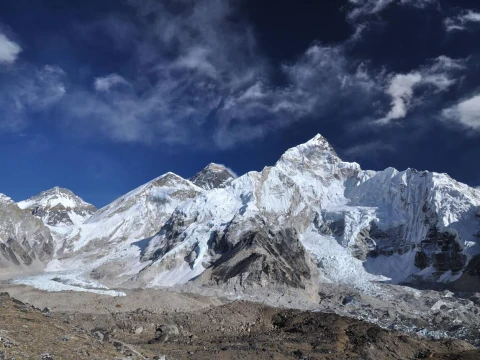
The Everest Base Camp (EBC) Trek is one of the most iconic trekking experiences in the world, offering trekkers breathtaking Himalayan scenery, vibrant Sherpa culture, and an unparalleled sense of adventure. Organized by Mount Horizon Treks & Tours, this 15-day itinerary takes you from the bustling city of Kathmandu to the heart of the Khumbu region. The trek begins with a scenic flight to Lukla, often described as one of the most thrilling airport experiences globally. From Lukla, trekkers journey through charming Sherpa villages, lush rhododendron forests, and dramatic landscapes, gradually ascending towards the majestic Everest Base Camp.The trek is not only about the destination but also about the journey. Highlights include Namche Bazaar, the cultural hub of the Khumbu region, the historic Tengboche Monastery, and panoramic views of iconic peaks like Ama Dablam, Lhotse, and, of course, Mount Everest itself. An acclimatization day in Namche Bazaar and Dingboche ensures that trekkers can adjust to the high altitude while exploring local culture. The trek concludes with the unforgettable experience of reaching Everest Base Camp, hiking to the viewpoint of Kala Patthar for a stunning sunrise over Everest, and descending back to Lukla before returning to Kathmandu.Starts and ends in Kathmandu with flights to LuklaPasses through Namche Bazaar, Tengboche, Dingboche, LobucheSummit view from Kala Patthar at 5,545 metersRich Sherpa culture and Buddhist monasteriesBest Season for Everest Base Camp TrekThe best time to undertake the Everest Base Camp Trek is during spring (March to May) and autumn (September to November). Spring brings vibrant rhododendron blooms and generally clear skies, making trekking paths scenic and colorful. Autumn is considered ideal due to stable weather conditions, excellent visibility of the Himalayan peaks, and comfortable temperatures for trekking.Winter months (December to February) are much colder and can have heavy snowfall, making trails slippery and flights to Lukla unpredictable. Summer (June to August) coincides with the monsoon season, where heavy rains and cloud cover can obscure views and increase the risk of landslides. Planning the trek with Mount Horizon Treks & Tours ensures optimal timing, local guidance, and well-organized logistics to maximize both safety and scenic experiences.Key Points:Spring: March to May, colorful rhododendrons, moderate temperatureAutumn: September to November, stable weather, clear mountain viewsWinter & monsoon seasons are less recommended due to extreme conditionsEverest Base Camp Trek Difficulty and TransportationThe trek is categorized as moderate to challenging due to high altitude, long walking days, and rugged terrain. Trekkers should be prepared for 5–7 hours of daily trekking at elevations ranging from 2,800 meters (Phakding) to 5,364 meters (Everest Base Camp). Acclimatization days in Namche Bazaar and Dingboche are critical for avoiding altitude sickness. While prior trekking experience is helpful, a reasonable level of fitness and determination is usually sufficient.Transportation primarily involves flights and trekking. The journey begins with a domestic flight from Kathmandu to Lukla, followed by trekking on foot through the Khumbu region. Porters or yaks can be hired to carry luggage, which is a common practice recommended by Mount Horizon Treks & Tours to reduce physical strain. The return journey also includes a flight back to Kathmandu for convenience and time efficiency.Key Points:Moderate to challenging trek due to high altitudeDaily trekking: 5–7 hours, altitude 2,800–5,364 metersDomestic flight to Lukla, trekking on foot, optional portersFood and Accommodation for Everest Base Camp TrekThroughout the trek, accommodation is primarily in tea houses or lodges, which offer a warm and welcoming environment for trekkers. These lodges vary from basic to more comfortable facilities, often including shared bathrooms and simple bedding. In major stops like Namche Bazaar, Tengboche, and Dingboche, slightly higher-end lodges are available with better amenities.Food options on the trek are diverse, ranging from traditional Nepali dishes like dal bhat (lentil soup with rice) to pasta, noodles, and soups. Tea houses also serve snacks, beverages, and hot drinks, which are essential for warmth at high altitudes. Mount Horizon Treks & Tours ensures that trekkers have access to safe, nutritious meals throughout the journey and that dietary preferences can be accommodated with prior notice.Key Points:Accommodation: tea houses and lodges, basic to moderate comfortFood: Nepali meals, soups, noodles, snacks, tea, coffeeAvailability of hot meals and warm beverages for high-altitude trekkingEverest Base Camp Trek PermitsTo undertake the EBC trek, certain permits are mandatory. The two main permits are:Sagarmatha National Park Permit (SNP): Required for trekking inside the national park.TIMS Card (Trekkers’ Information Management System): Required for all trekkers in the Khumbu region.These permits ensure the safety, regulation, and environmental protection of the trekking area. Mount Horizon Treks & Tours assists trekkers in obtaining all necessary permits before departure, eliminating bureaucratic stress and allowing trekkers to focus solely on their journey and acclimatization.Key Points:Sagarmatha National Park PermitTIMS Card for Khumbu trekkingAssistance with permits from Mount Horizon Treks & ToursWhy Choose Everest Base Camp Trek with Mount Horizon Treks & ToursChoosing Mount Horizon Treks & Tours ensures a well-organized, safe, and memorable trekking experience. With professional guides, experienced support staff, and a focus on cultural and environmental respect, trekkers can enjoy every aspect of the journey without logistical worries. The company provides meticulous planning, comfortable accommodations, quality meals, and expert advice for altitude adaptation.In addition, the personalized service from Mount Horizon Treks & Tours includes arranging flights, porters, trekking permits, and optional sightseeing. Their guides are highly knowledgeable about the Khumbu region, offering insights into Sherpa culture, Himalayan ecology, and historical landmarks along the trek. Choosing this company enhances both safety and enjoyment, making the Everest Base Camp trek not just a journey, but a transformative adventure.Key Points:Professional guides and support staffFull logistics support: flights, permits, portersCultural insights and local experiencesFocus on safety, comfort, and personalized service
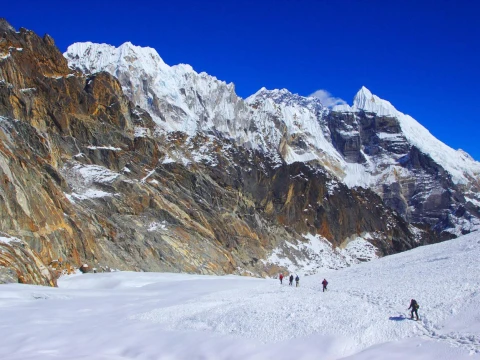
The Everest Three Pass Trek is considered one of the most adventurous and complete trekking experiences in the Everest region of Nepal. This trek circles the upper Khumbu region and crosses three high mountain passes: Kongma La Pass, Cho La Pass, and Renjo La Pass. The journey also includes famous destinations such as Everest Base Camp, Kala Patthar, and the beautiful Gokyo Lakes.The trek usually begins with a scenic mountain flight from Kathmandu to Lukla, the gateway to the Everest region. Trekkers gradually ascend through traditional Sherpa villages such as Namche Bazaar, Tengboche, and Dingboche while enjoying spectacular views of the Himalayan giants, including Mount Everest, Lhotse, Ama Dablam, and Cho Oyu.This trek is perfect for adventurous trekkers who want more than the standard Everest Base Camp route. It provides a remote trekking experience, incredible mountain scenery, and deep cultural insights into the Sherpa community.Cross three famous Himalayan passes above 5,000 metersVisit Everest Base Camp and Kala Patthar viewpointExplore the turquoise Gokyo Lakes and climb Gokyo RiExperience Sherpa culture and monasteriesSpectacular views of Everest and surrounding peaksBest Season for Everest Three Pass TrekThe best seasons for the Everest Three Pass Trek are spring (March–May) and autumn (September–November). During these months, the weather is generally stable, the skies are clear, and trekkers can enjoy panoramic views of the Himalayan mountains.Spring is particularly beautiful because the trails are filled with blooming rhododendron forests and colorful alpine vegetation. The temperatures are moderate, making it comfortable for trekking at high altitudes. In addition, many mountaineering expeditions head toward Everest during this season, creating an exciting atmosphere around the base camp area.Autumn is another excellent season due to its crystal-clear mountain views and dry weather. After the monsoon rains, the air becomes fresh, and visibility is outstanding. The trekking routes are also lively with trekkers from around the world.Best Trekking SeasonsSpring: March to MayAutumn: September to NovemberWinter: possible but colder and snowierMonsoon: less recommended due to rain and cloudsEverest Three Pass Trek Difficulty and TransportationThe Everest Three Pass Trek is considered a challenging trek because it involves long trekking days, high-altitude passes above 5,000 meters, and rugged mountain trails. Trekkers must be physically fit and prepared for steep ascents, rocky terrain, and changing weather conditions.Altitude is the main challenge during this trek. The itinerary includes several acclimatization days in places like Namche Bazaar and Dingboche to help trekkers adapt to the thinner air. Proper pacing, hydration, and rest are essential to complete the trek safely.Transportation for the trek begins with a thrilling mountain flight from Kathmandu to Lukla. From Lukla, the journey continues on foot through remote Himalayan valleys and villages.Difficulty FactorsHigh altitude (up to 5,550 meters)Long trekking days (6–8 hours)Three high mountain passesRemote trails and rugged terrainTransportationFlight: Kathmandu to LuklaTrekking route through the Khumbu regionReturn flight from Lukla to KathmanduFood and Accommodation for Everest Three Pass TrekDuring the Everest Three Pass Trek, trekkers stay in teahouses or mountain lodges operated by local families. These lodges provide basic but comfortable accommodation with twin-sharing rooms and communal dining areas where trekkers gather to eat and relax.Meals are freshly prepared and offer a mix of Nepali, Tibetan, and international dishes. The most popular meal among trekkers is Dal Bhat, a traditional Nepali dish consisting of rice, lentil soup, vegetables, and pickles. Other food options include noodles, pasta, soups, potatoes, eggs, and pancakes.As trekkers ascend higher into the mountains, the menu becomes simpler, and prices increase because all supplies are transported by porters or yaks.Typical Food OptionsDal Bhat (rice and lentils)Tibetan bread and pancakesNoodles and fried riceVegetable soups and pastaTea, coffee, and hot chocolateAccommodation FeaturesSimple teahouse roomsShared bathrooms in many placesWarm dining hall with a stoveBasic but comfortable facilitiesEverest Three Pass Trek PermitsTrekkers must obtain the necessary permits before entering the Everest region. These permits help support conservation efforts and maintain the trekking infrastructure in the Khumbu region.The two main permits required are the Sagarmatha National Park Permit and the Khumbu Pasang Lhamu Rural Municipality Permit. These permits can be arranged through trekking agencies such as Mount Horizon Treks & Tours in Kathmandu.The Sagarmatha National Park is a UNESCO World Heritage Site and protects the unique ecosystem of the Everest region. The permit system helps manage tourism while preserving the natural and cultural heritage of the Himalayas.Required PermitsSagarmatha National Park Entry PermitKhumbu Pasang Lhamu Rural Municipality PermitPassport copy and photos requiredWhy Choose Everest Three Pass TrekThe Everest Three Pass Trek is the ultimate adventure for trekkers who want to experience the most spectacular landscapes in the Everest region. Unlike the classic Everest Base Camp trek, this route explores remote valleys and crosses dramatic high passes, offering breathtaking views at every stage.Trekkers also experience authentic Sherpa culture, ancient monasteries, and traditional mountain villages along the way. Visiting places like the Tengboche Monastery provides spiritual insight into the Himalayan Buddhist culture.Choosing a professional trekking company like Mount Horizon Treks & Tours ensures a safe and well-organized trekking experience. Their experienced guides, carefully designed itineraries, and strong knowledge of the Everest region help trekkers enjoy the adventure with confidence.Reasons to Choose This TrekThe most adventurous trek in the Everest regionThree high Himalayan passesEverest Base Camp and Gokyo Lakes in one journeyIncredible panoramic mountain viewsRich Sherpa culture and Himalayan heritage
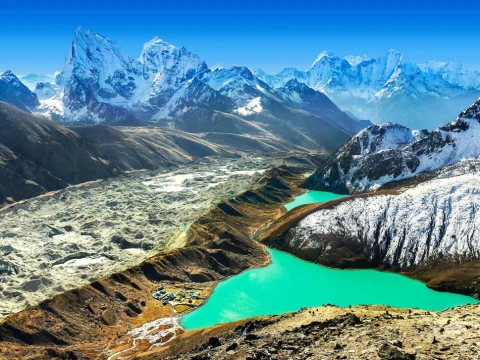
The Gokyo Lake Trek is one of Nepal’s most breathtaking Himalayan journeys, offering a quieter and more scenic alternative to the classic Everest Base Camp route. This trek leads you through the heart of the Khumbu region, showcasing pristine glacial lakes, dramatic mountain landscapes, and authentic Sherpa culture. Starting from Kathmandu, the journey includes a thrilling flight to Lukla, followed by gradual trekking through picturesque villages such as Phakding, Namche Bazaar, and Machhermo before reaching the stunning Gokyo Valley.One of the trek’s highlights is the ascent to Gokyo Ri (5,357 m), which provides panoramic views of Everest, Lhotse, Makalu, and Cho Oyu. The turquoise Gokyo Lakes, considered sacred by both Hindus and Buddhists, add a spiritual dimension to the trek. With Mount Horizon Treks & Tours, trekkers benefit from expert guidance, safety-focused planning, and immersive cultural experiences.Scenic flight to LuklaVisit to Namche Bazaar (Sherpa hub)Gokyo Lakes and Gokyo Ri viewpointViews of four 8,000m peaksLess crowded than the Everest Base Camp trailBest Season for Gokyo Lake TrekThe best time for the Gokyo Lake Trek is during the spring (March–May) and autumn (September–November) seasons. In spring, the trails come alive with blooming rhododendrons, mild temperatures, and clear mountain views. This season is ideal for nature lovers and photographers who want vibrant landscapes along with excellent visibility of the Himalayan peaks.Autumn, on the other hand, is considered the most popular trekking season due to its stable weather and crystal-clear skies. The post-monsoon atmosphere offers stunning mountain panoramas and comfortable trekking conditions. Mount Horizon Treks & Tours recommends these seasons for a safe and enjoyable experience.Seasonal notes:Spring: Colourful flora, moderate weatherAutumn: Best visibility and stable conditionsWinter: Cold but less crowdedMonsoon: Risky due to rain and flight delaysGokyo Lake Trek Difficulty and TransportationThe Gokyo Lake Trek is classified as a moderately challenging trek, suitable for trekkers with a good level of fitness. The journey involves daily walks of 5–7 hours on rugged terrain, with significant altitude gain. Proper acclimatisation days, like the one in Namche Bazaar, are essential to prevent altitude sickness and ensure a safe trekking experience.Transportation begins with an exciting flight from Kathmandu to Lukla, often considered one of the most thrilling short flights in the world. From Lukla, the trek continues on foot through well-established trails. Mount Horizon Treks & Tours ensures proper logistics, experienced guides, and emergency support throughout the journey.Difficulty factors:High altitude (above 5,000 m)Long walking hoursRemote terrainFood and Accommodation for Gokyo Lake TrekDuring the trek, accommodation is provided in traditional teahouses, which offer basic yet comfortable lodging. Rooms typically include twin beds with shared bathrooms, while higher altitudes may have more limited facilities. Staying in these lodges allows trekkers to experience local hospitality and Sherpa culture firsthand.Food options are diverse and designed to provide energy for trekking. Common meals include dal bhat (rice and lentils), noodles, soups, potatoes, and occasional international dishes. Mount Horizon Treks & Tours ensures hygienic meals and recommends sticking to nutritious, freshly prepared foods.Common facilities:Teahouse accommodationLocal and international mealsWarm dining areasLimited Wi-Fi and chargingGokyo Lake Trek PermitsTo undertake the Gokyo Lake Trek, trekkers must obtain the necessary permits required for the Everest region. These permits help regulate tourism and contribute to conservation efforts in the area. The process is straightforward and can be arranged through trekking agencies like Mount Horizon Treks & Tours.The main permits include the Sagarmatha National Park Entry Permit and the Khumbu Pasang Lhamu Rural Municipality Permit. These are checked at various points along the trail, ensuring compliance and safety.Required permits:Sagarmatha National Park PermitKhumbu Rural Municipality PermitTIMS card (if applicable)Why Choose Gokyo Lake TrekThe Gokyo Lake Trek stands out for its unique combination of natural beauty, cultural richness, and relatively peaceful trails. Unlike the crowded Everest Base Camp route, this trek offers serenity and equally stunning mountain views. The presence of glacial lakes, high-altitude passes, and panoramic viewpoints makes it a truly unforgettable experience.Choosing Mount Horizon Treks & Tours ensures a professionally organised trek with experienced guides, personalised service, and a strong focus on safety. Whether you are a seasoned trekker or an adventurous traveller, this trek offers a perfect blend of challenge and reward.Why choose this trek:Less crowded trekking routeStunning lakes and mountain viewsRich Sherpa cultureProfessional support from experts
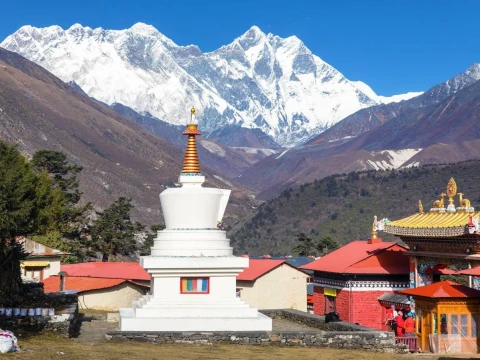
The Everest Panorama Trek is a spectacular journey that offers breathtaking views of the world’s highest peak, Mount Everest (8,848m), along with the stunning Himalayan landscapes and rich Sherpa culture. Unlike the more challenging Everest Base Camp trek, this route is ideal for trekkers who want an Everest experience without extreme physical demands. Starting from the vibrant city of Kathmandu, trekkers fly to Lukla, the gateway to the Everest region, and gradually make their way through charming villages, monasteries, and scenic trails. This trek combines natural beauty with cultural immersion, providing an unforgettable adventure for beginners and seasoned hikers alike.The trek passes through picturesque villages like Namche Bazaar, Tengboche, and Khumjung, where trekkers can experience Sherpa hospitality, traditional architecture, and centuries-old Buddhist monasteries. Each day presents different perspectives of towering peaks such as Ama Dablam, Thamserku, and Nuptse, creating a dynamic and visually stunning journey. Trekkers also get the chance to interact with locals, visit monasteries, and explore the rich flora and fauna of the Sagarmatha National Park.Panoramic views of Everest and surrounding Himalayan peaks.Cultural immersion in Sherpa villages and monasteries.Moderate trekking suitable for first-time high-altitude trekkers.Scenic flights from Kathmandu to Lukla add adventure and convenience.Best Season for Everest Panorama TrekThe Everest Panorama Trek is accessible year-round, but the best seasons to undertake the journey are pre-monsoon (March to May) and post-monsoon (late September to November). During these periods, the weather is generally stable, skies are clear, and mountain views are at their most spectacular. Spring brings blooming rhododendrons, lively wildlife, and pleasant temperatures, while autumn offers crisp air and brilliant blue skies, ideal for photography and trekking.Winter trekking (December to February) is possible but challenging due to colder temperatures, snow, and shorter daylight hours. Summer (June to August) coincides with the monsoon, making trails slippery and increasing the risk of landslides, although the lush green scenery can be rewarding. Planning a trek during the recommended seasons ensures safer trails, comfortable weather, and the most memorable Everest views.Season Highlights:Spring (March-May): Blooming flowers, mild temperatures, and clear skies.Autumn (Sept-Nov): Crisp air, stunning vistas, and festival opportunities in Namche Bazaar.Avoid the monsoon season for safety and trail conditions.Everest Panorama Trek Difficulty and TransportationThe Everest Panorama Trek is considered a moderate trek, making it suitable for beginners and those with reasonable fitness levels. While the daily hiking ranges from 4–6 hours, the gradual ascent allows proper acclimatisation to avoid altitude sickness. Trekkers walk on well-marked trails that are maintained by local communities, passing through suspension bridges, rivers, and forested paths.Transportation includes an exciting 30- to 40-minute flight from Kathmandu to Lukla, one of the most scenic and thrilling flights in the world, offering stunning views of the Himalayas. From Lukla, all movement is on foot, allowing trekkers to immerse themselves in the environment. Returning from Lukla, trekkers fly back to Kathmandu, avoiding the long and tiring descent by road.Key Points:Moderate trekking, suitable for beginners with basic fitness.Daily trekking hours: 4–6 hours on average.Transportation: Kathmandu ↔ Lukla via flight, local walking trails.Gradual altitude gain with acclimatisation days in Namche Bazaar.Food and Accommodation for Everest Panorama TrekThroughout the Everest Panorama Trek, accommodation is provided in teahouses and lodges that are warm, clean, and run by local families. These lodges offer basic amenities such as hot showers, comfortable beds, and charging facilities for electronic devices. In Namche Bazaar and other major villages, trekkers can also find internet access, small shops, and local cafes.Food is typically Nepali and Western cuisine, with staples including dal bhat (rice and lentils), noodles, soups, and pasta. The high-protein, high-energy meals help trekkers stay energised during long hiking days. Tea, coffee, and hot chocolate are widely available, perfect for warming up after a cold morning trek. Staying in teahouses also provides the opportunity to experience authentic Sherpa hospitality and interact with locals.Highlights:Accommodation in clean, family-run teahouses.Local and Western food options are available.Opportunities to experience Sherpa hospitality.Hot drinks and high-energy meals to support trekking stamina.Everest Panorama Trek PermitsTrekking in the Everest region requires specific permits for entry and conservation. Mount Horizon Treks & Tours ensures all trekkers have the necessary documentation, including:Sagarmatha National Park Permit – required for entry into the Everest region.Khumbu Pasang Lhamu Rural Municipality Permit – a local permit for trekking through Khumbu villages.TIMS (Trekkers’ Information Management System) Card – a mandatory card for all independent trekkers.Permits are checked at checkpoints along the route, particularly in Lukla, Namche Bazaar, and Sagarmatha National Park entrances. Having these permits ensures safety, supports local conservation efforts, and makes the trek legally compliant.Permit Summary:Sagarmatha National Park PermitKhumbu Pasang Lhamu Rural Municipality PermitTIMS CardAll permits are arranged and managed by Mount Horizon Treks & ToursWhy Choose Everest Panorama TrekChoosing the Everest Panorama Trek with Mount Horizon Treks & Tours guarantees a well-organised, safe, and memorable trekking experience. The company provides expert guides, high-quality trekking support, and personalised itineraries tailored to individual fitness levels and preferences. This trek offers a perfect blend of adventure, culture, and nature without the extreme challenges of higher-altitude expeditions.The trek is ideal for those seeking a shorter, less strenuous alternative to the classic Everest Base Camp trek while still experiencing Himalayan grandeur. With proper acclimatization, comfortable lodging, and cultural exposure, trekkers gain a holistic experience of the Everest region. Choosing this trek ensures safety, enjoyment, and the chance to create lifelong memories amidst the world’s most iconic mountains.Reasons to Choose This Trek:Moderate trek suitable for beginners and families.Breathtaking Everest views without extreme altitude.Cultural immersion in Sherpa villages and monasteries.Experienced guides and support from Mount Horizon Treks & Tours.Convenient flights and well-planned itineraries for comfort.
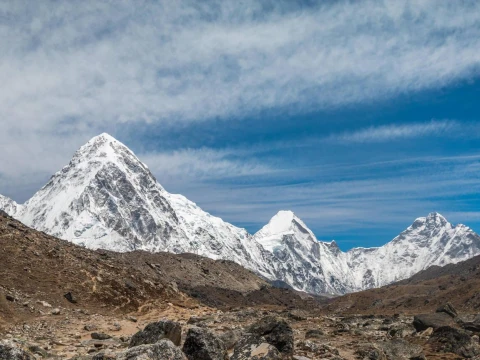
The Everest Base Camp (EBC) Trek via Gokyo Lake is one of the most spectacular trekking routes in the world, combining the iconic Everest Base Camp experience with the serene beauty of the Gokyo Lakes. Unlike the traditional Everest Base Camp route, this trek allows adventurers to explore the tranquil turquoise lakes of Gokyo Valley. It offers breathtaking panoramic views of some of the highest peaks, including Mount Everest, Cho Oyu, and Makalu. The route includes challenging passes, glacier crossings, and high-altitude landscapes, making it ideal for trekkers who want both adventure and scenic variety.Starting from Kathmandu, trekkers fly to Lukla, the gateway to the Everest region. From there, the trail passes through Sherpa villages like Phakding, Namche Bazaar, and Machhermo before reaching the stunning Gokyo Lakes. The trek also includes an optional hike to Gokyo Ri, providing one of the best vantage points in the region. The journey continues over Cho La Pass, reconnecting trekkers with the traditional EBC trail and eventually leading to Everest Base Camp and Kala Patthar for a close-up view of the world’s tallest mountain. With the expertise of Mount Horizon Treks & Tours, trekkers enjoy seamless logistics, knowledgeable guides, and local cultural insights throughout this unforgettable journey.Combines the Gokyo Valley and the Everest Base Camp trailsSpectacular Himalayan views, including Everest, Cho Oyu, and MakaluOptional Gokyo Ri hike for panoramic photographyHigh-altitude trekking adventure with Sherpa village experiencesBest Season for Everest Base Camp Trek via Gokyo LakeThe best seasons for trekking to Everest Base Camp via Gokyo Lake are spring (March to May) and autumn (September to November). During these periods, the weather is relatively stable, skies are clear, and the chances of encountering snowfall or rain are minimal. Spring brings blooming rhododendrons and lush greenery, while autumn offers crisp air and spectacular views of snow-capped peaks.Winter (December to February) is cold with heavy snow, making trekking difficult and some passes dangerous. Monsoon (June to August) is less ideal due to landslides, heavy rainfall, and cloud cover obstructing mountain views. Mount Horizon Treks & Tours provides detailed weather updates and recommends departure dates to maximize safety and scenic experiences. Choosing the right season ensures a comfortable, breathtaking, and safe trekking experience while avoiding overcrowded trails.Short Point List:Best seasons: Spring (March–May) & Autumn (Sept–Nov)Spring: Blooming rhododendrons, green valleysAutumn: Clear skies, perfect visibility for mountain photographyAvoid Monsoon & Winter due to safety and trail conditionsEverest Base Camp Trek via Gokyo Lake: Difficulty and TransportationThe trek is moderately to highly challenging, covering altitudes from 2,600m (Lukla) to over 5,300m (Gokyo Ri). Trekkers should have good physical fitness and prior hiking experience for long days of walking, steep ascents, and descending uneven terrain. The trek includes high-altitude acclimatization days to prevent acute mountain sickness (AMS), making safety a top priority.Transportation begins with an airport pickup in Kathmandu, followed by a short flight to Lukla, considered one of the most thrilling mountain airstrips in the world. From Lukla, the journey continues on foot, with teahouse lodges and local villages providing rest stops. On some days, trekkers will cross suspension bridges, glaciers, and rugged trails. Mount Horizon Treks & Tours ensures all transportation logistics are well-organized, including flights, airport transfers, and emergency contingency plans.Short Point List:Altitude: 2,600m – 5,300mModerate to great difficulty; requires good fitnessShort flights: Kathmandu → LuklaDaily trekking: 5–8 hours on rugged trails, suspension bridges, glacier pathsFood and Accommodation for Everest Base Camp Trek via Gokyo LakeDuring the trek, accommodation is primarily in teahouses, offering basic but comfortable lodging in villages and valleys. Facilities may vary; some teahouses have shared bathrooms, hot showers (for an extra fee), and cozy common areas for meals and relaxation. Mount Horizon Treks & Tours recommends staying in well-managed teahouses to ensure hygiene and comfort.Food is a mix of Nepali, Tibetan, and Western cuisine. Popular meals include dal bhat (rice and lentils), momo (dumplings), noodles, and soups. Trekkers should stay hydrated, drink boiled or bottled water, and consume high-energy foods to maintain stamina. Mount Horizon Treks & Tours provides guidance on healthy eating during high-altitude trekking, ensuring energy levels remain consistent throughout the journey.Short Point List:Accommodation: Teahouses along the trekking routeBasic facilities: Shared bathrooms, optional hot showersCuisine: Nepali, Tibetan, and Western mealsHydration and high-energy foods are essentialEverest Base Camp Trek via Gokyo Lake PermitsTrekkers require multiple permits for this journey: Sagarmatha National Park Permit, TIMS (Trekkers’ Information Management System) Card, and local entry permits for certain areas like Gokyo. These permits help conserve the environment and ensure safety in the high Himalayas.Mount Horizon Treks & Tours handles all permit arrangements in advance, so trekkers can focus on enjoying the trek without bureaucratic stress. Carrying permits at all times is mandatory, and guides assist in inspections at checkpoints along the route. This careful permit management ensures compliance with Nepalese regulations while preserving the natural beauty of the Everest region.Short Point List:Sagarmatha National Park Permit requiredTIMS Card mandatoryLocal permits for the Gokyo areaMount Horizon Treks & Tours assists with all documentationWhy Choose Everest Base Camp Trek via Gokyo LakeChoosing Mount Horizon Treks & Tours for the EBC via Gokyo Lake trek ensures a safe, immersive, and memorable adventure. The company provides expert Sherpa guides, well-planned itineraries, and support staff to handle logistics, meals, and accommodations. The trek combines classic Everest Base Camp highlights with the serene Gokyo Valley, offering unique photography opportunities and cultural experiences with Sherpa communities.The EBC via Gokyo Lake trek is ideal for adventure enthusiasts seeking high-altitude trekking with stunning views, glacier crossings, and the challenge of passes like Cho La. With Mount Horizon Treks & Tours, trekkers receive professional guidance, pre-trek briefings, and emergency support, ensuring the journey is both exhilarating and safe. Their focus on responsible tourism also contributes to the local economy and the preservation of the Himalayan environment.Short Point List:Experienced Sherpa guides and professional support staffCombines Gokyo Valley and Everest Base Camp highlightsUnique photography opportunities and cultural immersionEmphasis on safety, comfort, and responsible tourism
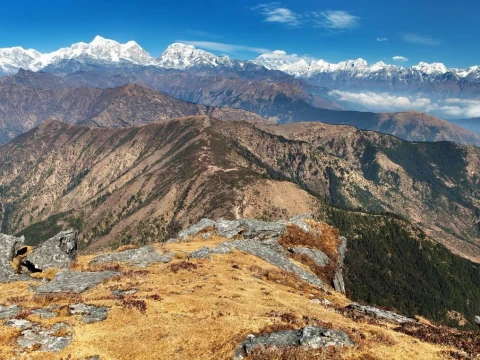
The Pikey Peak Trek, offered by Mount Horizon Treks & Tours, is a scenic Himalayan trek located in the Solu-Khumbu region of Nepal. Unlike the crowded Everest Base Camp route, Pikey Peak provides a serene and off-the-beaten-path trekking experience. Starting from Kathmandu, the journey takes trekkers through picturesque villages, lush forests, and rolling hills dotted with traditional Sherpa settlements. The trek offers panoramic views of some of the highest peaks in the world, including Mount Everest, Lhotse, Makalu, and Ama Dablam, making it a photographer’s paradise.The trek usually begins with a drive from Kathmandu to Dhap Bazaar (2,850m), which serves as the starting point for the trail. From there, trekkers pass through Jhapre (2,820m) and gradually ascend to Pikey Peak Base Camp (3,640m). The summit of Pikey Peak at 4,065 meters provides a stunning sunrise view over the Himalayas, making the early morning climb worthwhile. The trek is designed to include cultural experiences, with visits to Sherpa villages, traditional monasteries, and local markets. It concludes with a descent to Phaplu (2,469m) and a drive back to Kathmandu.Located in the Solu-Khumbu regionOff-the-beaten-path alternative to Everest Base CampStunning panoramic Himalayan viewsCombines natural beauty with cultural experiencesBest Season for Pikey Peak TrekThe ideal time for the Pikey Peak Trek is during the pre-monsoon (spring) and post-monsoon (autumn) seasons. Spring, from March to May, offers blooming rhododendrons, lush green landscapes, and moderate weather conditions. Autumn, from September to November, provides crystal-clear skies and excellent visibility of Himalayan peaks, which is perfect for photography.Winter treks are possible but can be cold, especially at higher elevations near the summit. Monsoon season, from June to August, is not recommended due to heavy rainfall, slippery trails, and risk of landslides. Choosing the right season ensures safety, clear mountain views, and a comfortable trekking experience with Mount Horizon Treks & Tours, who plan itineraries to match the best weather windows.Short Points:Spring (March-May): blooming rhododendrons and pleasant weatherAutumn (Sept-Nov): clear skies and peak visibilityWinter: cold but possible with proper gearMonsoon (June-August): heavy rain, not recommendedPikey Peak Trek Difficulty and TransportationThe Pikey Peak Trek is considered moderate in difficulty, making it suitable for both beginners and experienced trekkers. The trek involves gradual ascents, moderate altitude, and well-marked trails. The highest point, Pikey Peak (4,065m), requires trekking experience with basic stamina, but no technical climbing is necessary. A good level of fitness is recommended for handling daily walks of 4–6 hours.Transportation is straightforward: most trekkers start with a 6–7 hour drive from Kathmandu to Dhap Bazaar, which passes through scenic valleys and small towns. The trek itself is mostly on foot through villages, forests, and ridges. Mount Horizon Treks & Tours ensures all transportation logistics, including private vehicles and airport transfers, are arranged smoothly for a stress-free journey.Short Points:Moderate trek, suitable for beginners and experienced trekkersDaily trekking 4–6 hoursSummit altitude: 4,065m (no technical climbing)Kathmandu to Dhap Bazaar drive includedFood and Accommodation for Pikey Peak TrekAccommodation along the Pikey Peak Trek is primarily in tea houses and lodges in local villages. These lodges are simple but comfortable, offering warm beds, blankets, and basic amenities. In larger villages like Junbesi and Phaplu, slightly more modern options are available with hot showers. Staying in local lodges provides a cultural insight into Sherpa life, including opportunities to interact with villagers.Meals during the trek are mainly traditional Nepali dishes such as dal bhat (rice and lentils), momos (dumplings), and soups. Western meals, snacks, and beverages are also available at most tea houses. Trekking with Mount Horizon Treks & Tours guarantees that meals are hygienic, nourishing, and suited for high-altitude trekking, keeping energy levels high throughout the journey.Short Points:Tea house and lodge accommodationsWarm beds, blankets, and basic amenitiesLocal and Nepali meals: dal bhat, momos, soupsWestern options available in larger villagesPikey Peak Trek PermitsTo trek in the Solu-Khumbu region, trekkers must secure the following permits:TIMS (Trekkers’ Information Management System) Card – issued in Kathmandu; required for all independent trekkers.Solu-Khumbu Restricted Area Permit – mandatory for trekking in Pikey Peak and surrounding areas.Mount Horizon Treks & Tours handles all permit arrangements before the trek, ensuring trekkers can focus on enjoying the journey without bureaucratic delays. Carrying these permits is mandatory as local authorities check them at entry points along the route.Short Points:TIMS Card required for all trekkersSolu-Khumbu Restricted Area Permit mandatoryPermits arranged by Mount Horizon Treks & ToursWhy Choose Pikey Peak TrekThe Pikey Peak Trek is ideal for travelers seeking a combination of Himalayan grandeur, cultural immersion, and peaceful trekking. Unlike crowded treks, it provides solitude while still showcasing some of the world’s highest peaks. Trekkers can explore Sherpa villages, Buddhist monasteries, and untouched natural landscapes, making it an enriching experience both physically and spiritually.With Mount Horizon Treks & Tours, trekkers benefit from experienced guides, well-planned itineraries, and hassle-free logistics. The company emphasizes safety, cultural respect, and eco-friendly trekking practices. Whether you are a novice trekker, a photographer, or a nature enthusiast, Pikey Peak offers an unforgettable Himalayan adventure.Short Points:Less crowded, off-the-beaten-path trekkingPanoramic views of Everest, Lhotse, Makalu, and Ama DablamCultural immersion in Sherpa villages and monasteriesProfessional guides and logistical support from Mount Horizon Treks & Tours

 (2)
 100% recommend (0)

 (0)