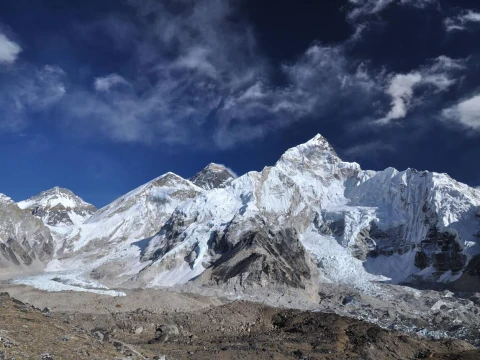
The Everest Panorama Trek is a spectacular journey that offers breathtaking views of the world’s highest peak, Mount Everest (8,848m), along with the stunning Himalayan landscapes and rich Sherpa culture. Unlike the more challenging Everest Base Camp trek, this route is ideal for trekkers who want an Everest experience without extreme physical demands. Starting from the vibrant city of Kathmandu, trekkers fly to Lukla, the gateway to the Everest region, and gradually make their way through charming villages, monasteries, and scenic trails. This trek combines natural beauty with cultural immersion, providing an unforgettable adventure for beginners and seasoned hikers alike.
The trek passes through picturesque villages like Namche Bazaar, Tengboche, and Khumjung, where trekkers can experience Sherpa hospitality, traditional architecture, and centuries-old Buddhist monasteries. Each day presents different perspectives of towering peaks such as Ama Dablam, Thamserku, and Nuptse, creating a dynamic and visually stunning journey. Trekkers also get the chance to interact with locals, visit monasteries, and explore the rich flora and fauna of the Sagarmatha National Park.
The Everest Panorama Trek is accessible year-round, but the best seasons to undertake the journey are pre-monsoon (March to May) and post-monsoon (late September to November). During these periods, the weather is generally stable, skies are clear, and mountain views are at their most spectacular. Spring brings blooming rhododendrons, lively wildlife, and pleasant temperatures, while autumn offers crisp air and brilliant blue skies, ideal for photography and trekking.
Winter trekking (December to February) is possible but challenging due to colder temperatures, snow, and shorter daylight hours. Summer (June to August) coincides with the monsoon, making trails slippery and increasing the risk of landslides, although the lush green scenery can be rewarding. Planning a trek during the recommended seasons ensures safer trails, comfortable weather, and the most memorable Everest views.
Season Highlights:
The Everest Panorama Trek is considered a moderate trek, making it suitable for beginners and those with reasonable fitness levels. While the daily hiking ranges from 4–6 hours, the gradual ascent allows proper acclimatisation to avoid altitude sickness. Trekkers walk on well-marked trails that are maintained by local communities, passing through suspension bridges, rivers, and forested paths.
Transportation includes an exciting 30- to 40-minute flight from Kathmandu to Lukla, one of the most scenic and thrilling flights in the world, offering stunning views of the Himalayas. From Lukla, all movement is on foot, allowing trekkers to immerse themselves in the environment. Returning from Lukla, trekkers fly back to Kathmandu, avoiding the long and tiring descent by road.
Key Points:
Throughout the Everest Panorama Trek, accommodation is provided in teahouses and lodges that are warm, clean, and run by local families. These lodges offer basic amenities such as hot showers, comfortable beds, and charging facilities for electronic devices. In Namche Bazaar and other major villages, trekkers can also find internet access, small shops, and local cafes.
Food is typically Nepali and Western cuisine, with staples including dal bhat (rice and lentils), noodles, soups, and pasta. The high-protein, high-energy meals help trekkers stay energised during long hiking days. Tea, coffee, and hot chocolate are widely available, perfect for warming up after a cold morning trek. Staying in teahouses also provides the opportunity to experience authentic Sherpa hospitality and interact with locals.
Highlights:
Trekking in the Everest region requires specific permits for entry and conservation. Mount Horizon Treks & Tours ensures all trekkers have the necessary documentation, including:
Permits are checked at checkpoints along the route, particularly in Lukla, Namche Bazaar, and Sagarmatha National Park entrances. Having these permits ensures safety, supports local conservation efforts, and makes the trek legally compliant.
Permit Summary:
Choosing the Everest Panorama Trek with Mount Horizon Treks & Tours guarantees a well-organised, safe, and memorable trekking experience. The company provides expert guides, high-quality trekking support, and personalised itineraries tailored to individual fitness levels and preferences. This trek offers a perfect blend of adventure, culture, and nature without the extreme challenges of higher-altitude expeditions.
The trek is ideal for those seeking a shorter, less strenuous alternative to the classic Everest Base Camp trek while still experiencing Himalayan grandeur. With proper acclimatization, comfortable lodging, and cultural exposure, trekkers gain a holistic experience of the Everest region. Choosing this trek ensures safety, enjoyment, and the chance to create lifelong memories amidst the world’s most iconic mountains.
Reasons to Choose This Trek:
Upon arrival at Tribhuvan International Airport in Kathmandu, you will be warmly welcomed by the team from Mount Horizon Treks & Tours. After airport formalities, you will be transferred to your hotel in the heart of the city. The rest of the day is at leisure, giving you a chance to relax, acclimatize to the city environment, and enjoy the surrounding scenery. This is also an ideal time to take a gentle walk around Thamel, explore local shops, or sip a cup of Nepali tea while soaking in the bustling city life.
Today begins with a guided sightseeing tour of Kathmandu Valley’s cultural and historical landmarks. You will visit the UNESCO World Heritage Sites including Pashupatinath Temple, one of the holiest Hindu shrines; Boudhanath Stupa, a magnificent Tibetan Buddhist monument; and the medieval Durbar Square, showcasing ancient palaces and temples. Your expert guide from Mount Horizon Treks & Tours will explain the rich history and spiritual significance of each site. The day concludes with a traditional Nepali lunch and time to explore the vibrant streets before returning to the hotel for overnight stay.
After an early breakfast, take a thrilling 35-minute flight from Kathmandu to Lukla, surrounded by stunning Himalayan peaks. Upon arrival, meet your trekking crew and begin the journey along the Dudh Koshi River towards Phakding. This gentle trek passes through pine forests, suspension bridges, and traditional Sherpa villages, providing your first taste of the Khumbu region’s beauty. Overnight in a teahouse in Phakding offers time to relax, enjoy local cuisine, and prepare for the ascent to Namche Bazaar. The day balances scenic exposure with easy trekking to help your body adjust.
The trek today becomes more challenging as you ascend to the famous Sherpa town of Namche Bazaar. The trail winds through forests, over wooden suspension bridges, and past local villages with stunning views of Thamserku and Kusum Kanguru peaks. As you approach Namche, the bustling market town comes into view, offering a lively atmosphere and the chance to interact with local Sherpas. Mount Horizon Treks & Tours ensures your journey includes stops to rest, hydrate, and enjoy panoramic vistas, culminating in a rewarding arrival at Namche Bazaar, where you will overnight and begin altitude acclimatization.
Today is dedicated to acclimatization and exploration around Namche Bazaar. A guided hike to the Everest View Hotel and nearby viewpoints offers breathtaking panoramas of Everest, Lhotse, and Ama Dablam, helping your body adjust to higher altitude. Explore Namche Bazaar’s quaint streets, traditional shops, and local cafes. Your experienced guide will provide insights into Sherpa culture, Buddhist monasteries, and local customs. Overnight in Namche allows your body to rest, reducing altitude sickness risk, while also offering opportunities for photography and enjoying the serene Himalayan environment.
The trek today follows a trail along the Dudh Koshi River and climbs through forests and suspension bridges to the sacred Tengboche Monastery. This spiritual hub, surrounded by panoramic views of Everest, Lhotse, and Ama Dablam, is a center for Buddhist worship and offers a profound cultural experience. The trail passes rhododendron and pine forests, allowing moments of quiet reflection in nature. Mount Horizon Treks & Tours ensures a steady pace for comfort and safety. After reaching Tengboche, enjoy the tranquility of the monastery and witness the daily rituals performed by monks.
Leaving Tengboche, the trail descends slightly before climbing to Khumjung Village, one of the most iconic Sherpa settlements in the Khumbu region. Visit the local monastery and the school, and learn about the life of Sherpas and the history of mountaineering in the region. The village offers stunning views of Ama Dablam and surrounding peaks. Walking through the terraced fields, interacting with locals, and exploring traditional homes provides a culturally immersive experience. Overnight in Khumjung gives a sense of serene village life against a majestic Himalayan backdrop.
Begin the trek by descending from Khumjung back towards Namche Bazaar, retracing steps through scenic forested valleys and villages. Continue down the trail to Monjo, a peaceful village at the gateway to Sagarmatha National Park. Along the way, cross traditional suspension bridges, observe wildlife, and enjoy pristine river views. The day is a gentler descent, helping the body adjust as you leave higher altitudes. Overnight in Monjo allows for relaxation and reflection on the trek so far, with an opportunity to enjoy the warm hospitality of local teahouses and friendly Sherpa families.
The final day of trekking follows the trail alongside the Dudh Koshi River back to Lukla. This moderately long trek offers one last chance to enjoy the dramatic Himalayan scenery, cross multiple suspension bridges, and pass through traditional villages. Your guide ensures a comfortable pace, allowing time to appreciate the final vistas of snow-capped peaks before reaching Lukla. Celebrate the completion of your trek with the support of your trekking crew. Overnight in Lukla provides a restful evening and a chance to reminisce about your incredible Everest Panorama Trek journey.
After breakfast, take a scenic morning flight back to Kathmandu, flying over towering Himalayan peaks and valleys. Upon arrival, transfer to your hotel in the city. The afternoon is free for shopping, exploring local markets, or visiting additional cultural sites. Enjoy a farewell dinner arranged by Mount Horizon Treks & Tours, celebrating the completion of your trek with fellow travelers and reflecting on your Himalayan adventure.
Depending on your flight schedule, you will be transferred to Tribhuvan International Airport for your onward journey. Mount Horizon Treks & Tours ensures smooth airport transfer and assistance with luggage and formalities. This concludes the Everest Panorama Trek, leaving you with lifelong memories of majestic mountains, Sherpa culture, and the serene beauty of the Himalayas.
Your Start Date is the day you land in Nepal, and your End Date is when you fly home.
If the set Everest Panorama Trek group dates don’t suit your schedule, we can offer alternative dates upon request.
Proper layering is important to stay warm and comfortable in changing mountain weather.
Good footwear makes trekking easier and safer.
The right gear keeps you safe, comfortable, and prepared.
Lightweight but important items keep you clean, healthy, and comfortable.
Keep important items safe and easy to reach.
The Everest Panorama Trek is considered a moderate trek suitable for individuals with a reasonable level of fitness and stamina. The trek involves walking for 4–6 hours a day over hilly trails, suspension bridges, and occasional steep climbs. Unlike higher altitude treks that require extensive mountaineering experience, this trek stays below extreme altitudes, making it safer and more accessible for beginners and families. Mount Horizon Treks & Tours ensures a steady pace and proper acclimatization to minimize the risk of altitude sickness while providing an unforgettable Himalayan experience.
While the Everest Panorama Trek is suitable for beginners, it still requires a good level of physical fitness and endurance. Daily walking ranges from 4 to 6 hours on uneven terrain, including uphill and downhill sections. Cardiovascular fitness, leg strength, and stamina are important for enjoying the trek comfortably. Mount Horizon Treks & Tours recommends at least 2–3 months of pre-trek preparation, including regular walking, jogging, or hiking with a loaded backpack. Proper physical preparation enhances your experience, helps prevent fatigue, and allows you to fully enjoy the breathtaking Himalayan scenery.
Altitude sickness is a risk at higher elevations, particularly above 3,000 meters. The Everest Panorama Trek is carefully designed to gradually ascend to allow proper acclimatization, with rest days in Namche Bazaar and moderate daily altitude gains. Most trekkers experience mild symptoms such as shortness of breath or slight headache, which can be managed with hydration, rest, and slow trekking. Mount Horizon Treks & Tours monitors all trekkers closely and provides guidance on altitude sickness prevention, ensuring a safe and enjoyable trek for every participant.
The best seasons for the Everest Panorama Trek are spring (March to May) and autumn (September to November). During these months, the weather is relatively stable, the skies are clear, and the mountain views are spectacular. Spring offers blooming rhododendron forests, while autumn provides crisp air and vibrant local festivals. Winter and monsoon seasons are less ideal due to snowfall, landslides, and reduced visibility. Mount Horizon Treks & Tours carefully plans trips during optimal seasons to ensure safety, comfort, and the best photographic opportunities.
Throughout the Everest Panorama Trek, trekkers stay in comfortable teahouses, lodges, and guesthouses along the route. Most accommodations provide basic facilities such as a private or shared room, warm bedding, and meals. Hot showers may be available in certain villages, depending on water and electricity availability. Mount Horizon Treks & Tours selects reliable lodges that maintain cleanliness, local charm, and hospitality, ensuring trekkers feel safe and comfortable after a long day of trekking. This also allows you to experience authentic Sherpa culture while resting each night.
During the trek, breakfast, lunch, and dinner are generally provided at the teahouses and lodges. Meals typically include a combination of local Nepali dishes, such as dal bhat, noodles, and vegetable curries, along with some Western options like pasta, sandwiches, and soups. Snacks, tea, coffee, and hot chocolate are available throughout the day. Mount Horizon Treks & Tours ensures that meals are nutritious, plentiful, and cater to different dietary requirements, including vegetarian options, so trekkers maintain energy for each day of hiking while experiencing the culinary culture of the Khumbu region.
Yes, trekking in the Everest region requires specific permits. The primary permits include the Sagarmatha National Park Entry Permit and the Khumbu Pasang Lhamu Rural Municipality Permit. These permits are strictly regulated to preserve the natural and cultural heritage of the region. Mount Horizon Treks & Tours assists all trekkers in obtaining the necessary permits before departure, ensuring that your trek is fully compliant with local regulations and that you can enjoy a worry-free journey while exploring the majestic landscapes and Sherpa villages of the Everest region.
The Everest Panorama Trek is considered a safe trekking route when proper precautions are followed. Trails are well-established and pass through villages with teahouses and local communities, offering support in emergencies. However, potential risks include altitude sickness, sudden weather changes, and minor slips on uneven terrain. Mount Horizon Treks & Tours provides experienced guides, porters, and comprehensive safety measures to ensure trekkers are supported at every step. The guides are trained in first aid, emergency evacuation, and route planning, making the trek as safe and enjoyable as possible.
Yes, hiring experienced guides and porters is highly recommended for the Everest Panorama Trek. Guides provide cultural insights, navigation, and safety support, while porters help carry heavy luggage, allowing you to trek comfortably. Mount Horizon Treks & Tours employs trained, certified Sherpa guides and porters who are familiar with local trails, weather conditions, and emergency procedures. This not only makes the trek safer and more enjoyable but also supports the local economy. The company ensures fair wages, insurance, and proper care for all staff, reflecting ethical and responsible tourism practices.
Packing the right gear is crucial for comfort and safety. Essentials include layered clothing, waterproof jackets, sturdy trekking boots, a warm hat and gloves, sunglasses, sunblock, a reusable water bottle, trekking poles, and a small daypack. Personal items like toiletries, medications, and a camera are also recommended. Mount Horizon Treks & Tours provides a detailed packing list before departure, highlighting items needed for the climate and terrain of the Everest region. Proper preparation ensures that you stay warm, dry, and comfortable throughout the trek while fully enjoying the Himalayan experience.
| No of people | Price per person |
|---|---|
| 1 - 1 | $1,565 |
| 2 - 4 | $1,445 |
| 5 - 9 | $1,430 |
| 10 - 15 | $1,415 |
| 16 - 20 | $1,400 |

 (2)
 100% recommend (0)

 (0)