Need help with booking? Send us a message.
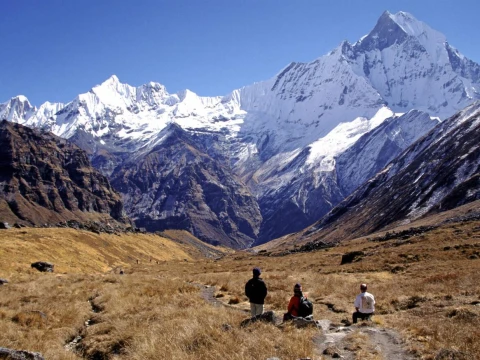
The Annapurna Circuit Trek is one of the most iconic trekking routes in Nepal, offering an unparalleled combination of cultural immersion, diverse landscapes, and breathtaking Himalayan views. Starting from the lush, subtropical valleys of the Marsyangdi River, trekkers gradually ascend to alpine terrain, high mountain passes, and remote villages inhabited by Gurung, Thakali, and Manangi communities. One of the highlights of this trek is crossing the Thorong La Pass (5,416m/17,769 ft), which is the highest point of the circuit and provides panoramic views of the Annapurna and Dhaulagiri ranges.
The trek spans approximately 16–17 days and includes a mix of driving, trekking, and rest days, allowing trekkers to acclimatize properly and enjoy the natural beauty along the route. From the cultural richness of Kathmandu to the serene lakeside city of Pokhara, the circuit offers a journey through Nepal’s heartland, combining adventure with spiritual and cultural experiences.
The best time to trek the Annapurna Circuit is during the pre-monsoon (March to May) and post-monsoon (late September to November) seasons. During these months, the weather is relatively stable, the skies are clear, and mountain visibility is at its peak. Spring also brings vibrant rhododendron blooms along the trail, while autumn offers crisp air and perfect trekking conditions.
Things to consider:
Tip: Trekkers should plan acclimatization days carefully to reduce the risk of altitude sickness during these peak seasons.
The Annapurna Circuit is considered moderate to strenuous, depending on the trekker’s experience and fitness level. Daily trekking hours range from 3–10 hours, with steep ascents, high passes, and varied terrain. Trekkers should be prepared for long uphill and downhill sections, river crossings, and occasional rocky or uneven trails.
Transportation is mainly by private vehicles for the initial and final segments:
Important considerations:
The Annapurna Circuit offers a wide variety of tea houses and lodges, ranging from basic to moderate comfort. Accommodation typically includes shared rooms with basic bedding. Some higher-end lodges in popular villages like Manang and Ghorepani provide private rooms, hot showers, and even Wi-Fi.
Food along the route consists of traditional Nepali dishes such as:
Tips for trekkers:
Trekking the Annapurna Circuit requires two primary permits:
These permits help preserve the natural environment, support local communities, and ensure the safety of visitors. Mount Horizon Treks & Tours assists trekkers in obtaining these permits efficiently, avoiding any hassle during the journey.
The Annapurna Circuit Trek is not just a journey through mountains; it’s an experience that combines adventure, culture, and natural beauty. Choosing this trek with Mount Horizon Treks & Tours guarantees:
The trek provides a rare opportunity to witness the diversity of Nepal’s geography, meet warm and welcoming local communities, and challenge yourself physically while enjoying unmatched Himalayan scenery. With the right preparation and guidance, the Annapurna Circuit is an adventure of a lifetime.
Upon your arrival at Tribhuvan International Airport in Kathmandu, a representative from Mount Horizon Treks & Tours will welcome you and transfer you to your hotel. You can rest and recover from your international journey while enjoying the bustling city atmosphere. In the evening, our team will provide a detailed briefing about your trek, including safety protocols, packing essentials, and the itinerary. This day allows you to acclimatize to Kathmandu's altitude and prepare mentally for the adventure ahead, ensuring a smooth start to your Annapurna Circuit experience.
Today, you will explore the cultural and historical treasures of Kathmandu. Your sightseeing tour will include iconic landmarks such as the Swayambhunath Stupa (Monkey Temple), Pashupatinath Temple, and Boudhanath Stupa. Alongside sightseeing, our team at Mount Horizon Treks & Tours will assist you with trekking gear, permits, and final preparations. This day is essential to acclimatize slightly and mentally prepare for the physical journey. You will also have time to purchase any last-minute supplies. A cultural evening in Kathmandu sets the mood for the adventure ahead, giving you a taste of Nepali hospitality.
After breakfast, your journey begins with a scenic drive from Kathmandu to Syange or Jagat. The route passes through picturesque valleys, terraced farmlands, and the winding Trishuli River, offering glimpses of rural Nepalese life. The drive takes 8–10 hours, depending on road conditions, and provides ample opportunities for photography and rest stops at local villages. On arrival, you’ll settle into your guesthouse, enjoy a warm meal, and meet your trekking team. This day is about transitioning from the urban bustle of Kathmandu to the tranquility and rhythm of the Himalayas.
Your trek officially begins today. Starting along the Bhote Koshi River, you will pass through lush forests, traditional villages, and suspension bridges, observing the natural beauty and rural life of the region. The trail gradually ascends to Dharapani, offering stunning views of terraced hills and snow-capped peaks. Trekking takes 7–8 hours with intermittent breaks to rest and hydrate. On arrival, you will be greeted with a warm lodge, hearty local meals, and a chance to mingle with fellow trekkers. This day sets the pace for the journey ahead.
The trail today climbs steadily through pine forests and charming villages, with breathtaking views of the Annapurna range gradually unfolding. You will cross clear streams and witness the blending of traditional culture with Himalayan landscapes. The trek is moderately challenging, allowing for acclimatization at 2,710 meters. Reaching Chame, the district headquarters of Manang, you will stay in a teahouse offering panoramic mountain views. This village is a hub for trekkers, providing cozy accommodations, warm meals, and a chance to interact with local communities while adjusting to the increasing altitude.
Today's trek leads through diverse terrain as the trail gradually rises, passing alpine meadows and dense forests of pine and juniper. You will traverse picturesque settlements where mani stones and prayer flags mark the local Buddhist culture. Pisang offers both lower and upper villages, with Upper Pisang providing spectacular views of peaks such as Annapurna II and Gangapurna. Your teahouse in Pisang offers a cozy retreat for the evening, where you can enjoy a hot meal and admire the stunning Himalayan sunset, preparing your body for higher altitudes in the coming days.
The route from Upper Pisang to Manang passes through diverse terrain, including high valleys, rivers, and terraced fields, gradually gaining altitude. Along the way, dramatic views of Annapurna III and Lamjung Himal create awe-inspiring photo opportunities. The trek is moderately challenging, requiring steady pacing for acclimatization. Manang is a key stop on the circuit, offering guesthouses, cafés, and medical facilities. In the evening, trekkers can stroll around the village, interact with locals, and enjoy breathtaking sunsets. A light walk is recommended to adjust to the higher altitude for upcoming treks.
A full day in Manang allows for acclimatization, which is crucial before ascending to Thorong La Pass. You can explore the village, visit small monasteries, and enjoy nearby viewpoints. Short acclimatization hikes, such as to Gangapurna Lake or around the village, help prevent altitude sickness. The rest day offers a relaxing pace with delicious local meals and the opportunity to soak in the Himalayan environment. Your guides from Mount Horizon Treks & Tours will monitor your health, provide guidance, and prepare you for the challenging high-altitude trek that follows.
This shorter trek today allows gradual ascent, aiding acclimatization while still providing spectacular mountain views. The trail passes by yak grazing areas, small alpine huts, and open valleys. The journey is moderately challenging due to higher altitude but manageable with short breaks. Yak Kharka is a small settlement that provides essential lodges and breathtaking surroundings. The evening is spent relaxing, enjoying warm meals, and preparing for the next day’s ascent toward Thorong La. The serene Himalayan environment and crisp air make this stop especially memorable.
Today's trek is a shorter, steady ascent towards Thorong Phedi, the last stop before Thorong La Pass. The landscape is dramatic, with glacial moraines and snow-capped peaks surrounding you. The teahouses here are basic but comfortable, providing rest and nourishment for the big day ahead. This stage is vital for acclimatization, allowing your body to adjust to extreme altitude. Trekkers are advised to rest, hydrate, and prepare gear for the early morning crossing of Thorong La. The setting sun against the Himalayan backdrop offers a magical experience, making the effort worthwhile.
This is one of the most thrilling days of the trek as you cross the iconic Thorong La Pass (5,416m/17,769 ft). The early morning trek involves a steep climb with panoramic views of the Annapurna and Dhaulagiri ranges. After reaching the pass, a gradual descent leads to Muktinath, a sacred pilgrimage site with temples and natural springs. Trekking through this challenging terrain is physically rewarding, offering a sense of achievement and breathtaking scenery. Upon arrival in Muktinath, you can explore the temple and relax at a teahouse while reflecting on the day’s accomplishment.
After breakfast, you descend by jeep or bus to Tatopani, a journey through deep valleys and terraced hills. Tatopani is famous for its natural hot springs, perfect for relaxing tired muscles after high-altitude trekking. The drive takes 6–8 hours, providing scenic views of rivers, forests, and traditional villages along the way. Evening time is spent soaking in the therapeutic hot springs, enjoying local cuisine, and sharing stories with fellow trekkers. This day offers both rest and rejuvenation before resuming trekking to the Annapurna foothills.
Today's trek climbs through lush rhododendron forests and picturesque villages. The trail involves a mix of steep ascents and gentle paths, offering spectacular panoramic views of Dhaulagiri and Annapurna South. Ghorepani, known for its sunrise viewpoints, is a serene village that provides comfortable lodges and traditional hospitality. Trekkers can enjoy an evening stroll to the surrounding ridges, catching the magical hues of the Himalayan sunset. This trek challenges your stamina moderately while providing ample opportunities for photography and cultural immersion in the local Gurung communities.
The trail descends gently from Ghorepani through rhododendron and oak forests before reaching Tadapani. Along the way, trekkers enjoy uninterrupted views of Annapurna South, Hiunchuli, and Machapuchare. Small villages and traditional farmsteads offer insight into rural Nepali life. Tadapani is a peaceful village where lodges provide warmth and comfort. This moderate trek balances both ascent and descent, making it less strenuous while still offering excellent scenic views. The evening can be spent relaxing, enjoying local dishes, and soaking in the serene Himalayan atmosphere before the final trekking day.
The trek continues downhill through forests, terraced fields, and small settlements to Ghandruk, a traditional Gurung village renowned for its culture and hospitality. From Ghandruk, the trail descends further to Nayapul, where vehicles await to drive you to Pokhara. This final trekking day offers a sense of accomplishment, beautiful landscapes, and cultural encounters along the route. In Pokhara, you will enjoy comfortable accommodation, a relaxing evening by the lakeside, and a celebration of your successful completion of the Annapurna Circuit Trek with your team from Mount Horizon Treks & Tours.
After breakfast, you will embark on a scenic drive back to Kathmandu. The route passes through hills, rivers, and valleys, offering glimpses of rural life and stunning landscapes along the way. Upon arrival, check into your hotel for rest and refreshment. The evening can be spent exploring Thamel, shopping for souvenirs, and enjoying Nepali cuisine. This day provides a relaxing end to the journey, allowing you to reflect on your trekking adventure while enjoying the vibrant atmosphere of Nepal’s capital city.
On your final day, a representative from Mount Horizon Treks & Tours will transfer you to Tribhuvan International Airport for your departure flight. Depending on your flight schedule, you may have a chance for last-minute shopping or sightseeing in Kathmandu. This day marks the end of your unforgettable Annapurna Circuit adventure, leaving you with lifelong memories of majestic mountains, serene villages, and the unique culture of Nepal. Our team bids you farewell, wishing you safe travels and hoping you will return for future Himalayan adventures.


Your Start Date is the day you land in Nepal, and your End Date is when you fly home.
If the set Annapurna Circuit Trek group dates don’t suit your schedule, we can offer alternative dates upon request.
Proper layering is important to stay warm and comfortable in changing mountain weather.
Good footwear makes trekking easier and safer.
The right gear keeps you safe, comfortable, and prepared.
Lightweight but important items keep you clean, healthy, and comfortable.
Keep important items safe and easy to reach.
The Annapurna Circuit Trek is considered moderately to highly challenging depending on the duration and altitude gain. Trekkers will face long walking days, steep ascents, and high-altitude conditions, particularly near Thorong La Pass. With proper preparation, including cardiovascular fitness and strength training, most healthy individuals can complete the trek. Mount Horizon Treks & Tours provides guidance on fitness preparation and offers support during the trek to ensure safety, pacing, and acclimatization for all trekkers, including those new to high-altitude trekking.
While prior trekking experience is helpful, it is not strictly necessary to complete the Annapurna Circuit. The trek is suitable for beginners with good physical fitness and a positive attitude. Mount Horizon Treks & Tours ensures that you are guided by experienced local guides who manage logistics, pacing, and safety measures. With their support, even first-time trekkers can enjoy the journey, acclimatize properly, and experience the stunning landscapes, traditional villages, and diverse Himalayan culture with confidence and ease.
Altitude sickness is a concern above 3,000 meters, especially near Thorong La Pass (5,416 meters). Proper acclimatization, gradual ascent, hydration, and listening to your body are crucial. Mount Horizon Treks & Tours structures the itinerary with rest and acclimatization days, provides guidance on recognizing early symptoms, and offers advice on preventive measures. Trekkers are encouraged to communicate any health issues immediately to guides. Following these precautions minimizes risks and allows you to enjoy the trek safely while experiencing the beauty of the Annapurna region.
Mobile connectivity is limited in remote areas of the Annapurna Circuit. Some villages have 3G/4G coverage or Wi-Fi in teahouses, but it is inconsistent. Mount Horizon Treks & Tours recommends preparing for minimal connectivity and using this as an opportunity to disconnect from daily distractions. Carrying a local SIM card or satellite communication device can be helpful for emergencies. Limited connectivity allows trekkers to immerse fully in the Himalayan environment, enjoy nature, and focus on trekking, photography, and cultural experiences without digital interruptions.
The best time to undertake the Annapurna Circuit Trek is during the pre-monsoon (March to May) and post-monsoon (September to November) seasons. During these periods, the weather is generally stable, skies are clear, and the mountain views are spectacular. Mount Horizon Treks & Tours recommends avoiding the monsoon season due to heavy rainfall, slippery trails, and potential landslides, while winter months can be extremely cold with snow blocking higher passes. Proper timing ensures safety, optimal trekking conditions, and unforgettable scenic experiences.
Accommodations along the Annapurna Circuit typically consist of teahouses and guesthouses offering basic rooms, meals, and shared bathrooms. Lodges vary depending on location and altitude, with higher villages having more modest facilities. Mount Horizon Treks & Tours carefully selects comfortable and hygienic accommodations, ensuring trekkers have a safe and pleasant resting environment each night. Despite simplicity, these lodges provide authentic local experiences, home-cooked meals, and opportunities to interact with fellow trekkers and local communities along the journey.
Meals during the trek are typically served in teahouses and include Nepali, Tibetan, and Western-style dishes. Popular choices include dal bhat (lentils and rice), soups, noodles, and vegetable curries. Mount Horizon Treks & Tours ensures nutritious meals are available at each stop to maintain energy for trekking. Special dietary needs, vegetarian, or vegan meals can usually be accommodated with prior notice. Evening meals are often shared in communal dining areas, creating opportunities to socialize with fellow trekkers and enjoy the warmth of Himalayan hospitality.
While some experienced trekkers may attempt the Annapurna Circuit independently, hiring a guide is highly recommended for safety, navigation, and cultural insight. Mount Horizon Treks & Tours provides professional local guides trained in first aid, altitude management, and trekking logistics. Guides enhance the experience by sharing local knowledge, ensuring proper pacing, arranging accommodation, and assisting in emergencies. Their presence significantly reduces risks, improves efficiency, and allows trekkers to focus on enjoying the majestic scenery and unique cultural encounters along the circuit.
Two main permits are required: the Annapurna Conservation Area Permit (ACAP) and the Trekkers’ Information Management System (TIMS) card. These permits help regulate trekking and support local conservation efforts. Mount Horizon Treks & Tours assists trekkers in obtaining all necessary permits, ensuring compliance with government regulations and reducing stress. Our team provides clear instructions about documents, fees, and permit validity. Having the correct permits not only makes the trek legal but also ensures access to protected trails and allows you to responsibly enjoy the unique flora, fauna, and landscapes of the Annapurna region.
Packing appropriately is crucial for comfort and safety. Essentials include layered clothing for variable temperatures, a down jacket, trekking boots, thermal wear, a hat, gloves, sunglasses, trekking poles, and a water bottle. Mount Horizon Treks & Tours provides a detailed packing list and offers advice on gear quality, clothing layers, and personal items. Additionally, altitude-specific items like sunscreen, lip balm, and medication for altitude sickness are recommended. Proper packing ensures trekkers stay warm, safe, and comfortable throughout the trek while enjoying the majestic scenery and cultural experiences of the Annapurna region.
| No of people | Price per person |
|---|---|
| 1 - 1 | $1,165 |
| 2 - 4 | $1,055 |
| 5 - 9 | $1,040 |
| 10 - 15 | $1,025 |
| 16 - 20 | $1,010 |

 (2)
 100% recommend (0)

 (0)