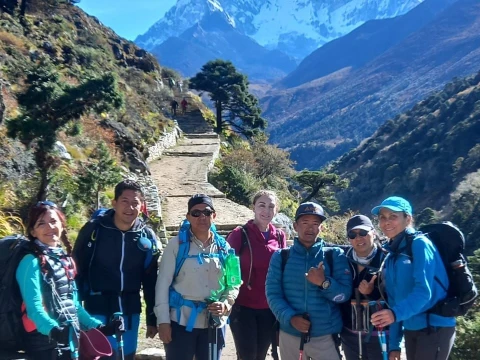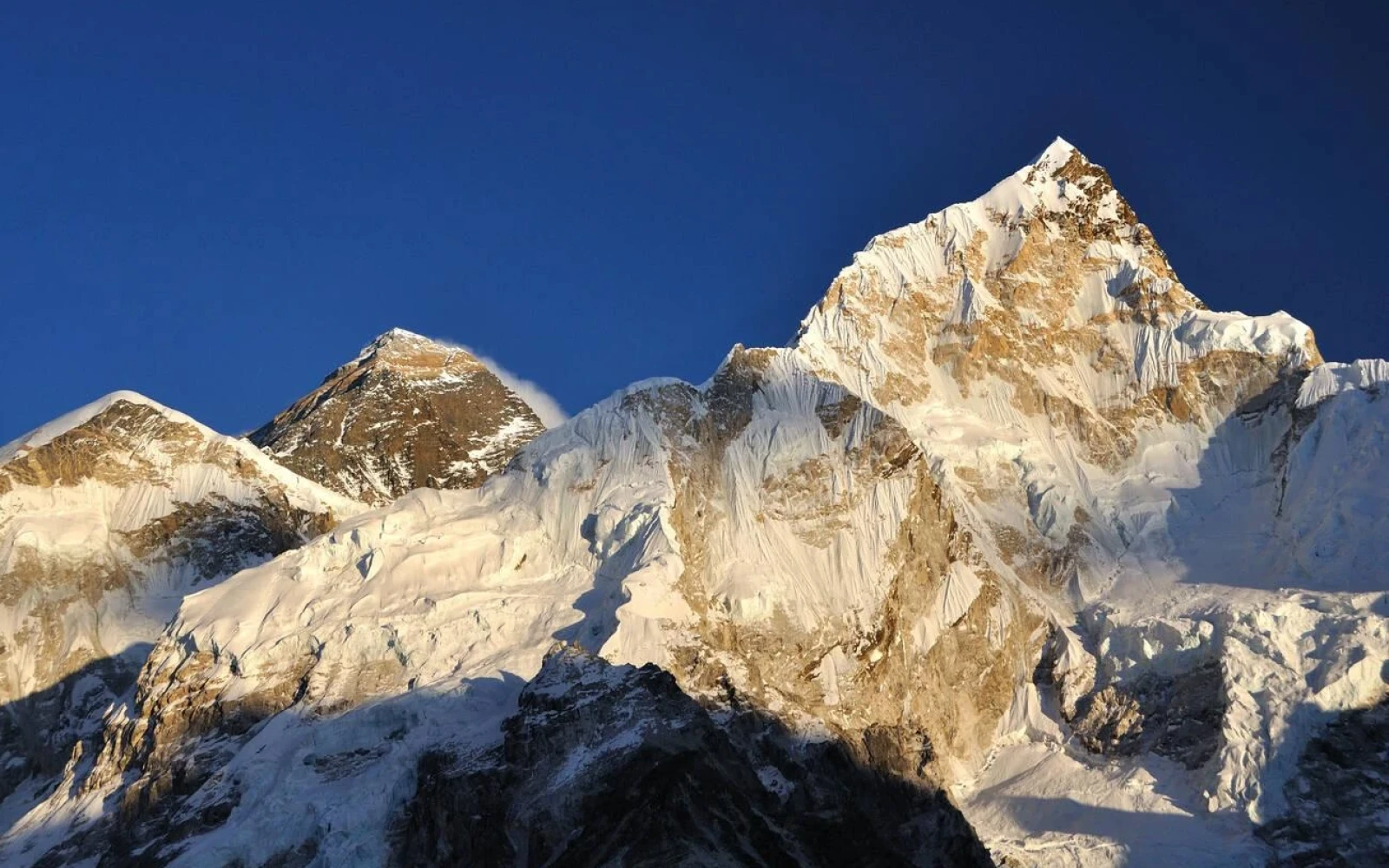
Trekking to Everest Base Camp (EBC) is one of the most iconic adventures in the world, offering travelers the chance to experience the grandeur of the Himalayas up close. With 2026 approaching, trekking enthusiasts are eager to explore this once-in-a-lifetime journey while ensuring safety, comfort, and unforgettable memories. The trek combines stunning natural beauty, cultural immersion, and personal achievement. From the lush landscapes of the lower Khumbu region to the dramatic peaks near Gorak Shep, every step of the journey is a story waiting to be lived.
Mount Horizon Treks & Tours specializes in creating immersive trekking experiences, ensuring that adventurers are well-prepared for high-altitude challenges while enjoying local culture and hospitality. Our 2026 Everest Base Camp trek itinerary is designed for both first-time trekkers and seasoned hikers, balancing acclimatization with adventure.
Everest Base Camp is more than a destination; it’s a journey that challenges the body, inspires the mind, and rewards the soul. The breathtaking scenery, including the majestic peaks of Mount Everest, Ama Dablam, and Lhotse, sets the stage for an adventure of a lifetime. Each village and trail on the way offers a glimpse into Sherpa culture, from colorful prayer flags fluttering across suspension bridges to traditional monasteries perched on hillsides.
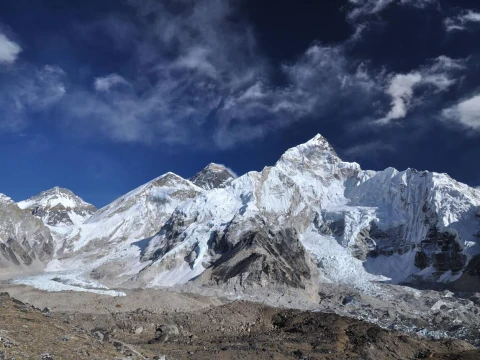
The popularity of the EBC trek has grown steadily, attracting travelers who seek both adventure and personal growth. By 2026, trekking routes are expected to be well-managed, with improved tea houses and safety measures, making the experience accessible without compromising the raw, pristine Himalayan landscape. Choosing to embark on this trek is a testament to your sense of adventure, resilience, and desire to witness one of Earth’s most stunning regions firsthand.
Key Highlights to Consider:
Preparation is critical for a safe and enjoyable Everest Base Camp trek. The weather in the Khumbu region can vary drastically, from warm sun at lower elevations to icy winds above 5,000 meters. Layered clothing is essential to adapt to these changes. Start with moisture-wicking base layers, insulated mid-layers, and a waterproof, windproof outer layer. Thermal gloves, hats, and down jackets are crucial for higher altitudes.
Footwear is another vital element. Durable, broken-in trekking boots with ankle support will prevent injuries and blisters. A comfortable backpack with proper padding, hydration system, and trekking poles can make a huge difference in stamina and comfort. Additionally, sleeping bags rated for sub-zero temperatures ensure restful nights in teahouses and lodges. Some trekkers also benefit from optional tech gadgets such as GPS devices, altimeters, and headlamps for navigation and safety.
Essential Gear Checklist:
Trekking to Everest Base Camp is physically demanding, and proper preparation can make the difference between a grueling journey and a rewarding adventure. Cardiovascular fitness is essential for managing long days of trekking. Activities like hiking, running, cycling, and stair climbing improve your stamina and lung capacity, preparing your body for thin air at higher altitudes. Strength training, especially for the legs, core, and back, helps carry backpacks comfortably and maintain balance on uneven terrain.
In addition to building physical strength, it’s crucial to practice endurance by simulating long treks with loaded backpacks. This gradually prepares your body for the challenges of consecutive days at high altitude. Equally important is learning to pace yourself and listen to your body during the trek. Acclimatization days, as included in Mount Horizon Treks & Tours’ itinerary, allow your body to adapt to reduced oxygen levels, reducing the risk of altitude sickness while enhancing overall trekking performance.
Fitness Tips at a Glance:
Choosing the right route is essential to maximize both safety and enjoyment on your Everest Base Camp trek. The classic route from Lukla to EBC via Namche Bazaar, Tengboche, Dingboche, and Gorak Shep remains the most popular, offering well-established teahouses, cultural experiences, and breathtaking landscapes. Alternatively, the Gokyo Lakes route provides a quieter path with stunning alpine lakes and panoramic views of Everest, Lhotse, and Cho Oyu, ideal for trekkers seeking solitude.
The duration of your trek depends on your fitness level and experience. A standard itinerary of 12–14 days balances trekking, acclimatization, and rest. Longer itineraries (15–18 days) are recommended for slower trekkers or those particularly sensitive to altitude. Key villages like Namche Bazaar, Tengboche, Dingboche, and Lobuche serve as ideal stopovers, offering accommodations, meals, and acclimatization opportunities. Landmarks such as Kala Patthar, Everest Base Camp, and ancient monasteries enrich the trekking experience and provide memorable photo opportunities.
Itinerary Planning Tips:
High-altitude trekking requires awareness of health risks, particularly altitude sickness, which can affect anyone regardless of fitness. Symptoms include headaches, nausea, dizziness, and shortness of breath. Gradual ascent, adequate hydration, balanced nutrition, and rest days are key preventive measures. Trekking with a professional company like Mount Horizon Treks & Tours ensures medical guidance, emergency protocols, and support throughout the journey.
Nutrition and hydration play a vital role in maintaining energy levels and preventing dehydration. Carry electrolyte supplements and high-energy snacks for long trekking days. Additionally, ensure comprehensive travel insurance that covers high-altitude trekking, helicopter evacuation, and medical treatment. Familiarize yourself with emergency procedures, local medical facilities, and first-aid essentials before departure. Safety should always take priority over speed or ambition on high-altitude trails.
Health & Safety Tips:
Planning your budget is a crucial part of a successful Everest Base Camp trek. Trekking in Nepal involves costs beyond flights and accommodations. Permits such as the Sagarmatha National Park Entry Permit and the Khumbu Pasang Lhamu Rural Municipality Permit are mandatory for all trekkers. These official fees ensure the conservation of the region while supporting local communities. Budgeting for permits early prevents last-minute surprises and ensures smoother travel.
Accommodation and food costs in the Khumbu region vary depending on season and preferences. Tea houses offer basic to mid-range options, with prices increasing at higher altitudes. Simple meals like dal bhat (rice and lentil soup) are affordable, while imported snacks or specialty meals cost more. Hidden expenses can include hot showers, charging electronic devices, and small tips for guides and porters. Trekking with Mount Horizon Treks & Tours helps manage these costs, offering packages that balance comfort, safety, and affordability.
Budgeting Tips:
Immersing yourself in local culture enriches your trek and fosters meaningful connections. The Khumbu region is home to the Sherpa community, whose traditions, hospitality, and spiritual practices make the journey memorable. Show respect by greeting villagers with a smile, using polite gestures, and asking permission before taking photographs. Visiting monasteries or participating in local festivals provides deeper insight into Sherpa life.
Local festivals, prayer ceremonies, and traditional dances offer rare cultural experiences. Even small gestures like removing shoes before entering a monastery, or respecting prayer flags and stupas, demonstrate cultural awareness. For souvenirs, consider locally made handicrafts, prayer beads, or traditional garments, which support community livelihoods while creating lasting memories of your trek. Mount Horizon Treks & Tours often includes guided cultural experiences to help trekkers engage respectfully and meaningfully.
Cultural Etiquette Tips:
The Everest Base Camp trek offers some of the world’s most iconic landscapes. Capturing sunrise at Kala Patthar, sunset over Ama Dablam, or the vibrant streets of Namche Bazaar creates lasting memories. Early morning and late afternoon provide the best natural light for photography, with softer shadows and golden hues. High-altitude conditions can be harsh on equipment, so protection from dust, moisture, and cold is essential.
Alongside photography, keeping a trekking journal or vlog helps document experiences, reflections, and milestones. Smartphones and compact cameras are practical for daily use, while DSLR cameras capture high-resolution landscapes. Lightweight tripods, extra batteries, and memory cards ensure you never miss a moment. Mount Horizon Treks & Tours guides can suggest the best viewpoints and timing to help you capture breathtaking images without compromising the trek itself.
Photography & Memory Tips:
Trekking to Everest Base Camp is a journey of adventure, cultural discovery, and personal growth. By planning carefully, preparing physically, respecting local customs, and budgeting wisely, your trek can become an unforgettable experience. With guidance from Mount Horizon Treks & Tours, you’ll navigate high-altitude challenges safely while enjoying stunning scenery, authentic cultural encounters, and meaningful memories.
Remember, success on the trek is not just reaching the summit of base camp; it’s embracing every step, every village, and every view along the way. Start preparing now: train your body, gather the right gear, plan your itinerary, and immerse yourself in the journey. The Himalayas are waiting, and 2026 is the perfect time to make your dream trek a reality.
Key Takeaways:

 (2)
 100% recommend (0)

 (0)